The Ocean's Mysterious Leviathan Awakens
The year 1866 distinguished itself by an occurrence most peculiar and inexplicable—a phenomenon that seized the imagination of the maritime world and spread its tendrils of rumour deep into the interior of continents, where even those who had never glimpsed salt water found themselves debating the matter over dinner tables and in lecture halls. Merchants and common sailors, naval officers and government ministers across Europe and America turned their attention to a singular question: what manner of creature—or thing—had begun to haunt the shipping lanes of the world's great oceans?
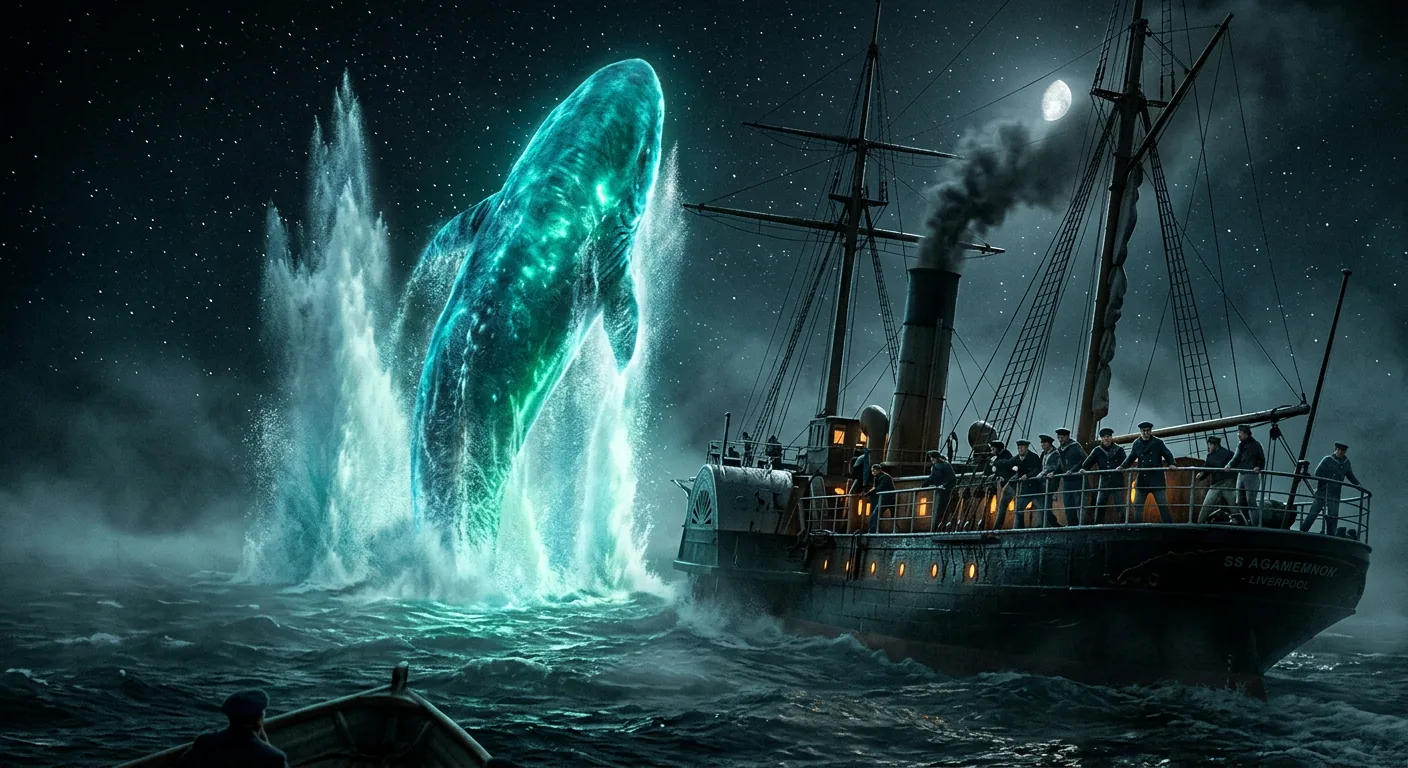
For vessels traversing these waters had encountered something unprecedented. Log-books from ships of every nation recorded sightings of an enormous object, spindle-shaped and occasionally phosphorescent, possessing a rapidity of movement that defied all natural explanation. The creature—if creature it was—surpassed in dimensions any cetacean known to science. Conservative estimates placed its length at some two hundred feet, whilst more excitable observers insisted upon measurements so fantastical as to strain credulity entirely. Yet exist it did, for the evidence mounted with each passing month.
The steamer *Governor Higginson*, sailing off the Australian coast in July, had mistaken the thing for an uncharted sandbank until it expelled twin columns of water a hundred and fifty feet into the air. Three days later and seven hundred nautical leagues distant, the *Columbus* observed the same phenomenon in Pacific waters—a feat of locomotion that no whale could accomplish. The *Helvetia* and *Shannon* encountered it simultaneously in the Atlantic, their officers calculating its minimum length at three hundred and fifty feet, dwarfing even the greatest whales known to frequent the Aleutian waters.
Reports accumulated with the methodical persistence of waves upon a shore. The transatlantic *Pereire* offered fresh observations; the *Etna* suffered an actual collision with the beast; officers aboard the French frigate *Normandie* prepared formal documentation. Public opinion swelled accordingly. In cafés the monster inspired songs; in newspapers, caricatures; upon the stage, dramatic representations both serious and satirical. The legends of antiquity were summoned forth—Aristotle and Pliny, Bishop Pontoppidan's Norwegian tales, the testimony of Mr. Harrington who had witnessed an enormous serpent from the deck of the *Castillan* in 1857.
For six months the scientific journals waged their war of ink, the believers and sceptics trading increasingly personal attacks until wit finally triumphed over wonder. A satirical article delivered what seemed the monster's death-blow, and the question appeared buried forever.
Yet the creature had not finished with mankind. In March of 1867, the *Moravian* of the Montreal Ocean Company struck something in the night—not a reef marked on any chart, but a shifting mass that sheared away part of her keel and left 237 passengers contemplating their mortality. Three weeks later, the *Scotia* of the Cunard line suffered a more dramatic assault. Something sharp and penetrating pierced her hull below the waterline, leaving a triangular rent two yards in diameter through iron plates nearly an inch and a half thick. The precision of the wound suggested not accident but intention—and the instrument, whatever it was, had withdrawn itself by some retrograde motion that the engineers could not explain.
From this moment, the creature ceased to be a curiosity and became a menace. Every unexplained shipwreck fell upon its shoulders; of the three thousand vessels lost annually, two hundred vanishing without trace were now attributed to this formidable cetacean. Communication between continents grew perilous, insurance premiums climbed, and the public demanded action.
The seas, they insisted, must be rid of this terror—whatever the cost, whatever the means required to hunt it down.
A Naturalist Weighs the Evidence
In the spring of that fateful year, Professor Pierre Aronnax of the Museum of Natural History in Paris found himself an unlikely figure at the center of a global maritime controversy. He had only recently returned from an arduous scientific expedition through the disagreeable territories of Nebraska, arriving in New York towards the end of March with crates of mineralogical, botanical, and zoological specimens awaiting careful classification. His departure for France was fixed for the first days of May—a timeline that fate, in its capricious manner, would soon render entirely irrelevant.
The professor was, by this juncture, thoroughly saturated with every published account of the mysterious phenomenon that had so alarmed the seafaring world. He had devoured American and European papers alike, yet found himself no closer to forming a definitive conclusion. The mystery confounded him utterly, driving his scientific mind from one extreme hypothesis to another with all the grace of a ship tossed between contradictory currents. Of one fact alone he remained certain: something tangible existed out there in the depths, and the skeptics need only examine the wound inflicted upon the Scotia to convert their incredulity into wonder.
By the time Aronnax reached New York, the debate had narrowed considerably. The hypothesis of a floating island or unapproachable sandbank—championed by minds of limited competence—had been thoroughly abandoned, for no geological formation, however extraordinary, could explain the creature's astonishing rapidity of movement. Similarly dismissed was the notion of some enormous derelict hull drifting the ocean currents. Two possibilities alone remained, cleaving public opinion into distinct camps: either the phenomenon represented a marine monster of colossal strength, or it constituted a submarine vessel of unprecedented motive power.
The submarine hypothesis, though superficially plausible, could not withstand systematic inquiry conducted across both hemispheres. That a private gentleman might possess such a machine strained credulity beyond its limits—where, when, and how could such a vessel have been constructed in secret? Governments, certainly, might harbor such destructive engines; these were disastrous times when human ingenuity had multiplied the instruments of war with alarming efficiency. Yet official declarations from England, France, Russia, Prussia, Spain, Italy, America, and even Turkey definitively rejected the possibility. No nation claimed responsibility; no evidence of clandestine construction emerged.
Aronnax's reputation preceded him. His quarto work in two volumes, "Mysteries of the Great Submarine Grounds," had earned him considerable standing in this rather obscure branch of Natural History, and distinguished persons sought his professional opinion. For a time he confined himself to judicious negation, but eventually, cornered by persistent inquiry—and by the New York Herald's direct solicitation—he was obliged to speak. His article, published on the thirtieth of April, proposed what his scientific conscience would allow: if the depths of the ocean remained largely unknown to human investigation, nothing prevented the existence of some marine animal of enormous power, perhaps a narwhal of colossal dimensions armed with a tusk of proportionate destructive capability.
The article generated considerable discussion and rallied numerous partisans. Aronnax had, with characteristic prudence, reserved himself an avenue of escape in his final sentences—acknowledging the possibility that something might exist beyond all conjecture—but in effect, he had admitted the monster's existence. Public opinion crystallized, insurance companies raised their premiums, and the United States government commissioned a swift frigate, the Abraham Lincoln, under Commander Farragut's command, to pursue the creature.
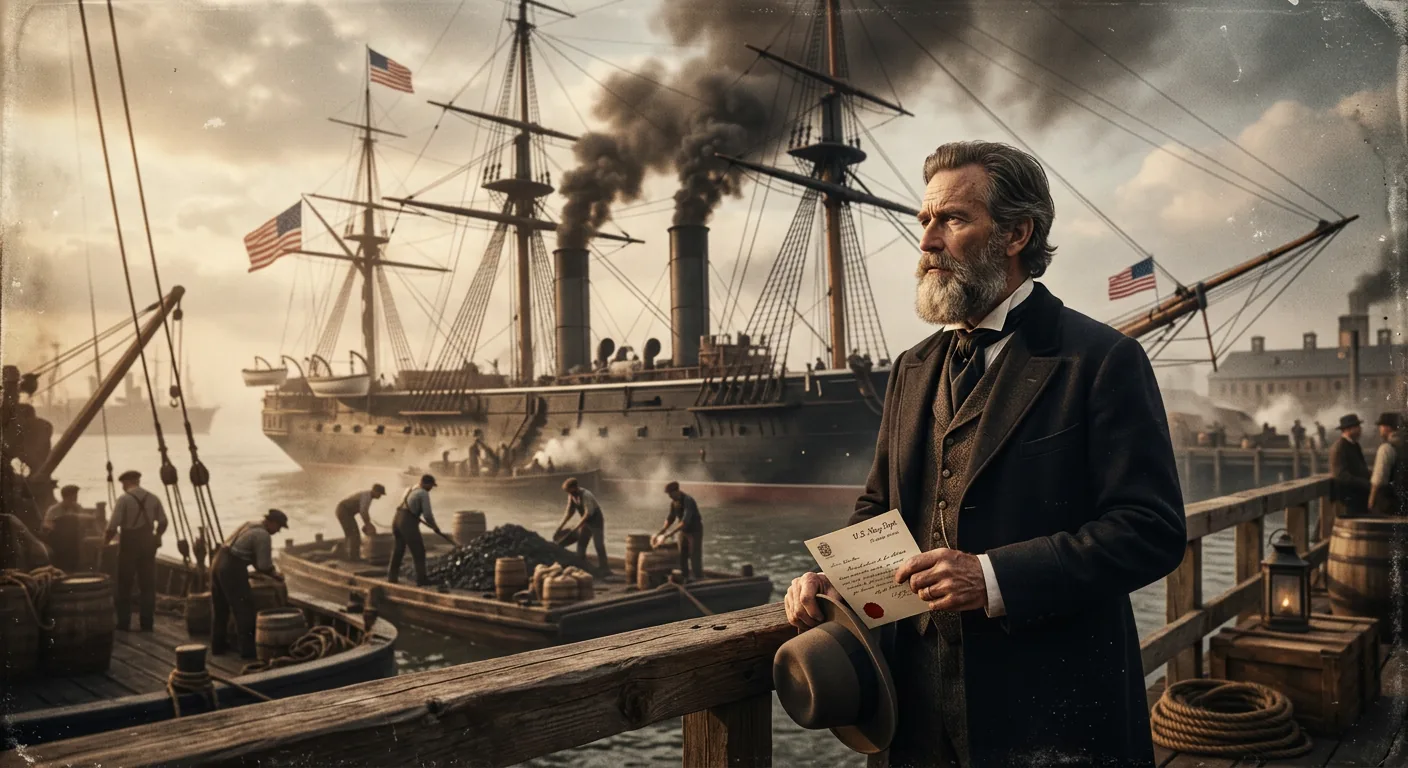
Then, with maddening perversity, the monster vanished entirely for two months—prompting transatlantic jesters to suggest the unicorn had intercepted a telegram through the submarine cable and was studying its pursuers' intentions. Impatience mounted until, on the second of July, a steamer returning from Shanghai reported sighting the animal in the North Pacific. The Abraham Lincoln was hastily revictualled and stocked with coal, and three hours before her departure from Brooklyn pier, Professor Aronnax received a letter that would alter the trajectory of his existence: an invitation from the Secretary of Marine to join the expedition, with a cabin placed at his disposal by Commander Farragut himself.
It was an offer that no naturalist of genuine scientific ambition could possibly refuse—though Aronnax could scarcely have imagined the extraordinary circumstances into which that acceptance would deliver him.
The rest is waiting.
58 illustrated classics. Cinematic, anime, and kids editions. $4.99 a month — about the price of a coffee.
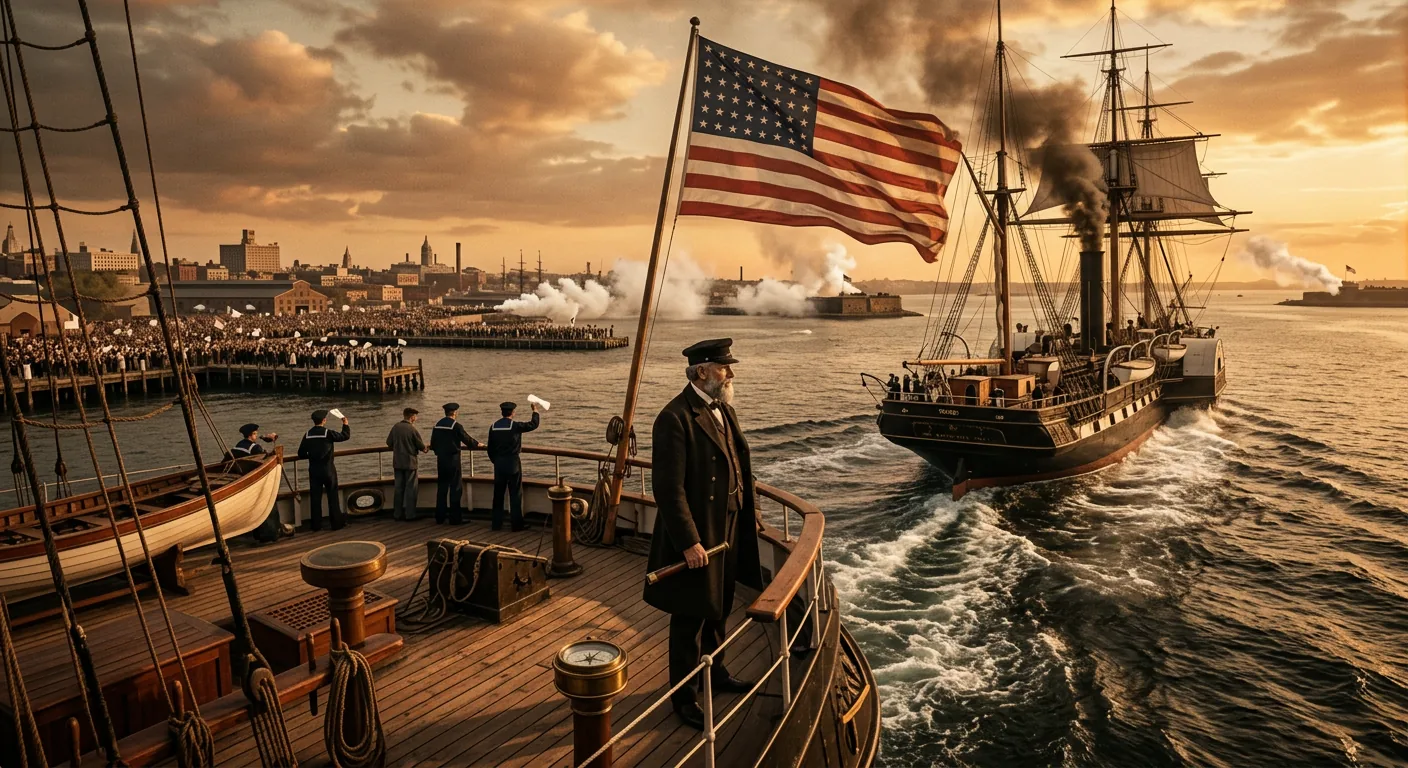
A Fateful Letter Changes Everything
Subscribe to read this chapter.
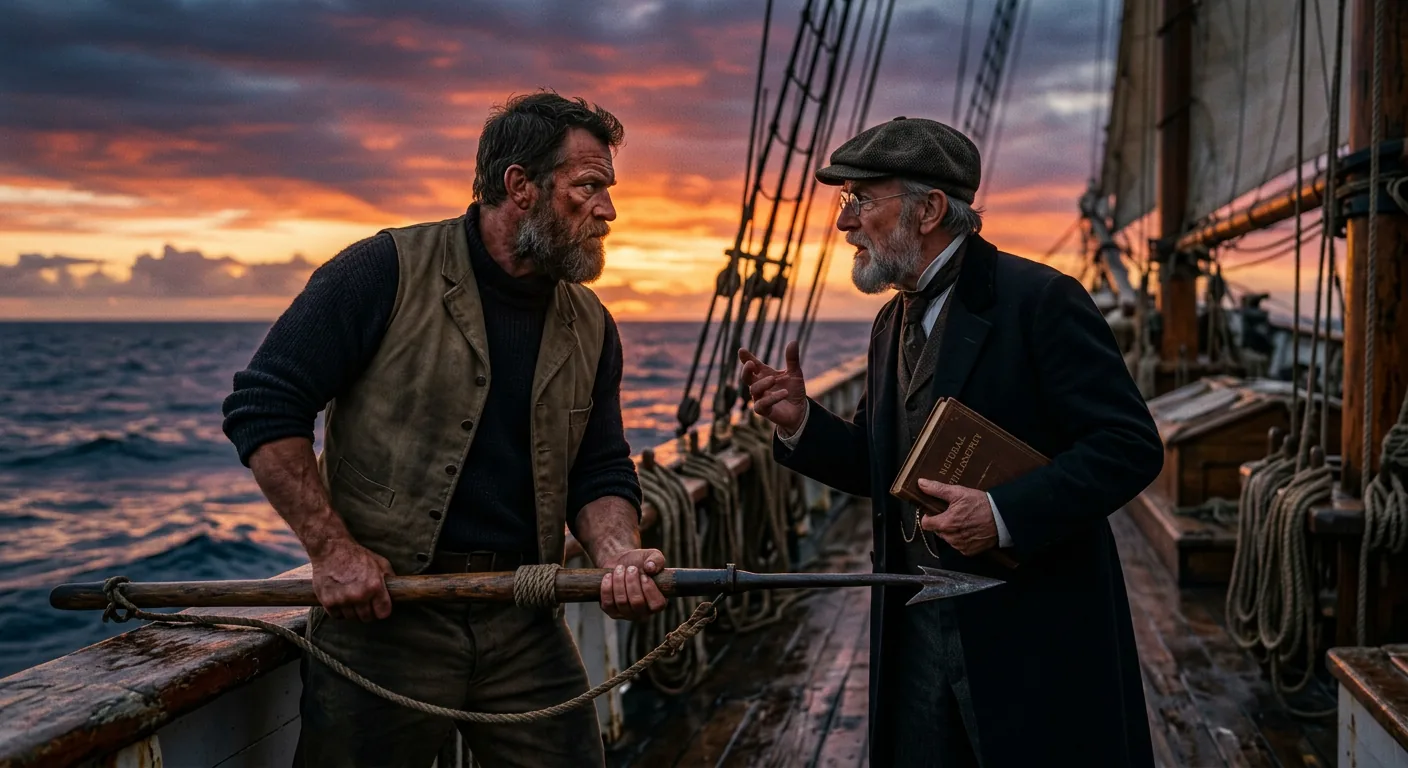
The Skeptical Harpooner's Introduction
Subscribe to read this chapter.
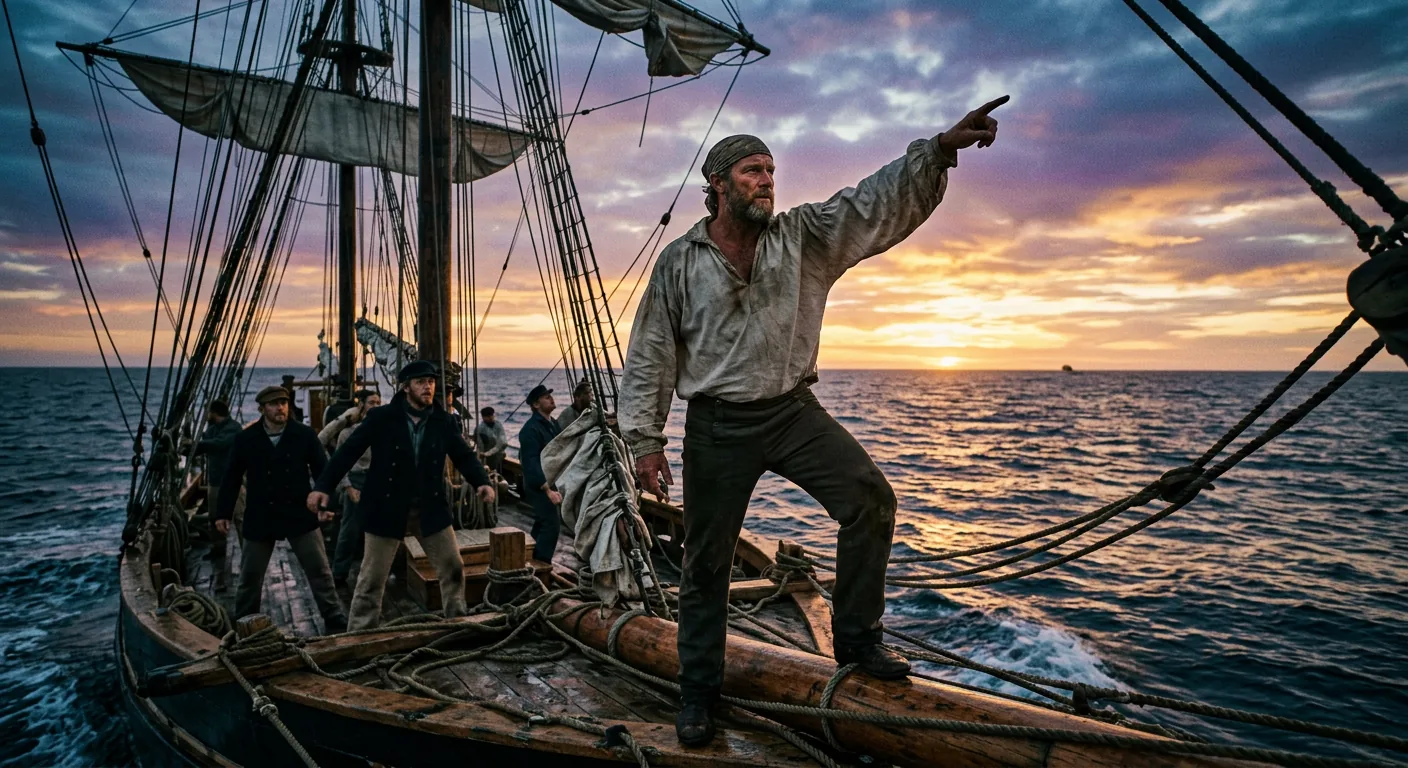
Ned Land's Skill and Fruitless Searching
Subscribe to read this chapter.
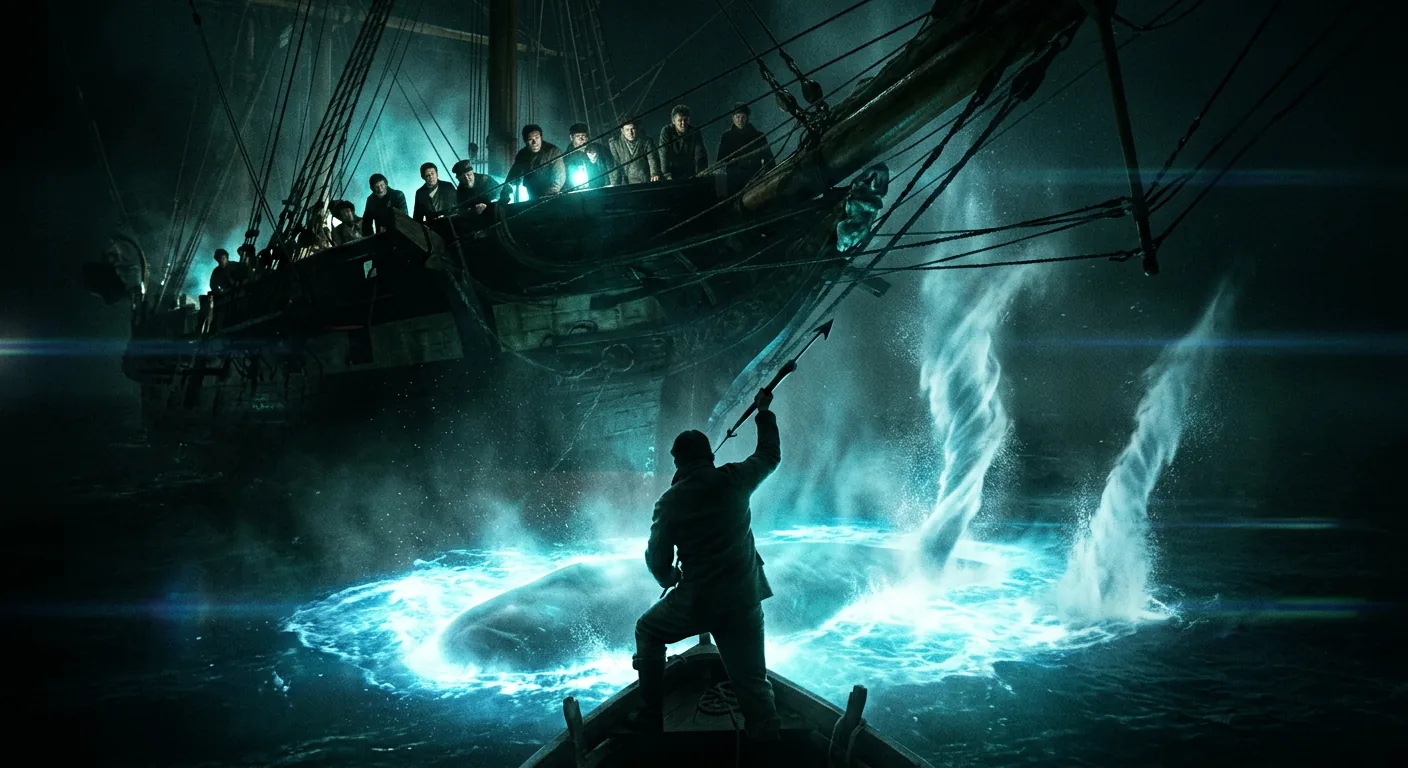
The Glowing Beast Circles the Frigate
Subscribe to read this chapter.
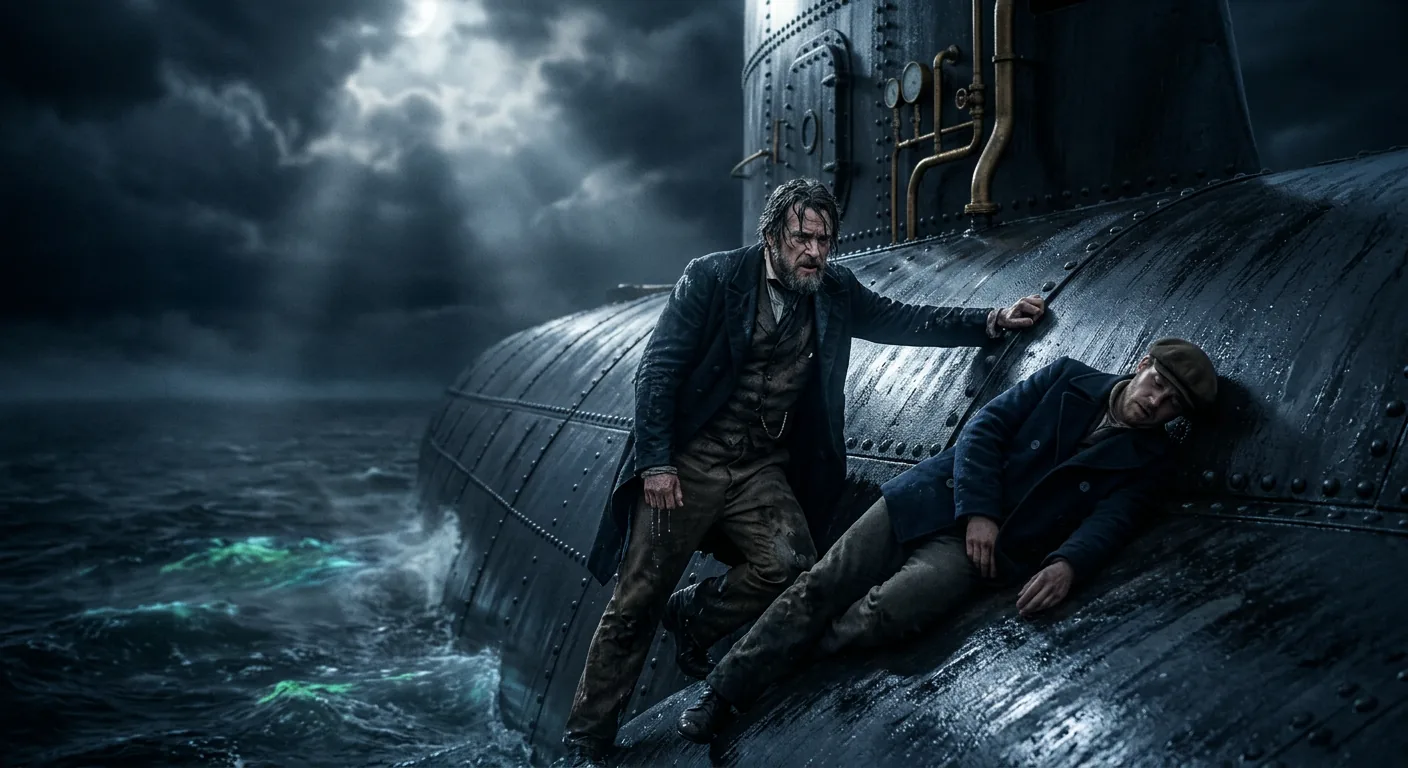
Adrift in Darkness With Conseil
Subscribe to read this chapter.
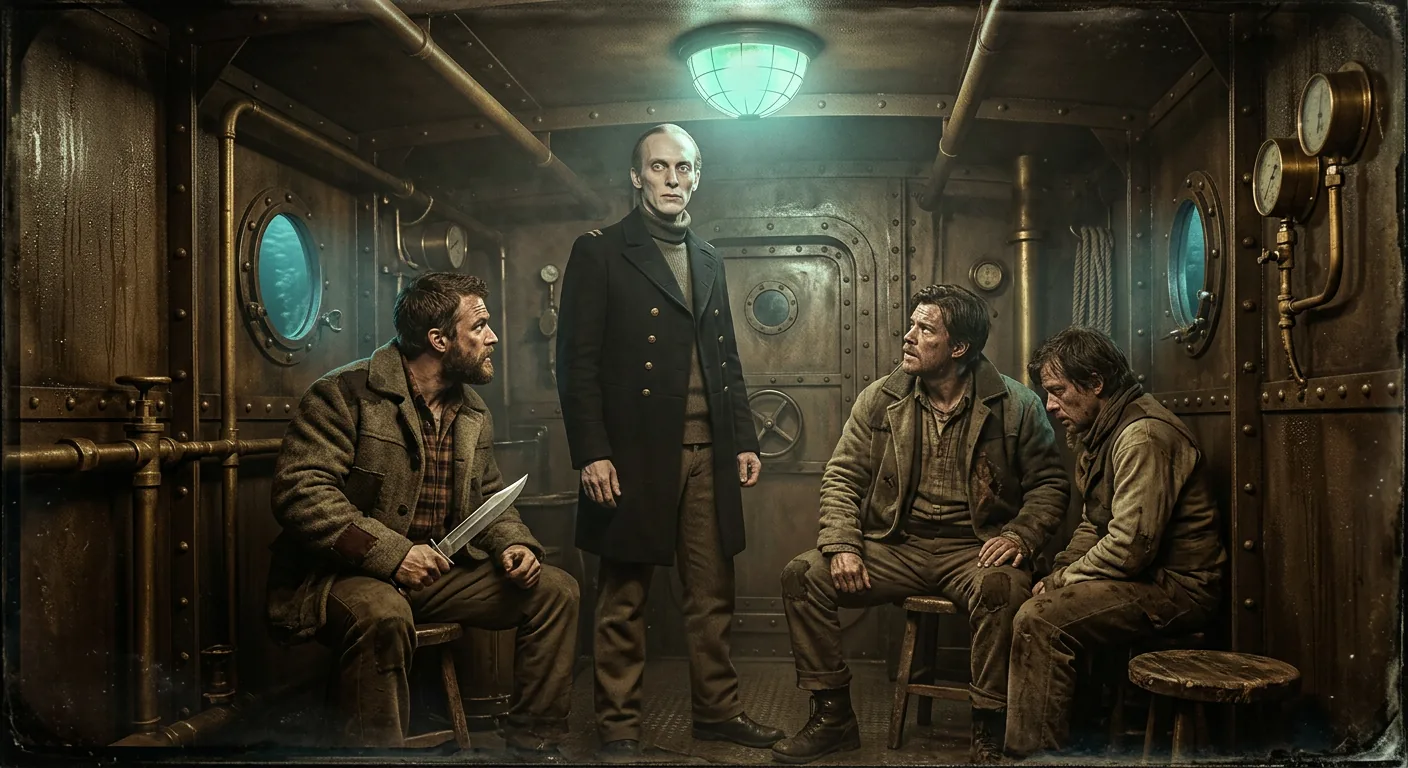
Captives in the Electric Darkness
Subscribe to read this chapter.
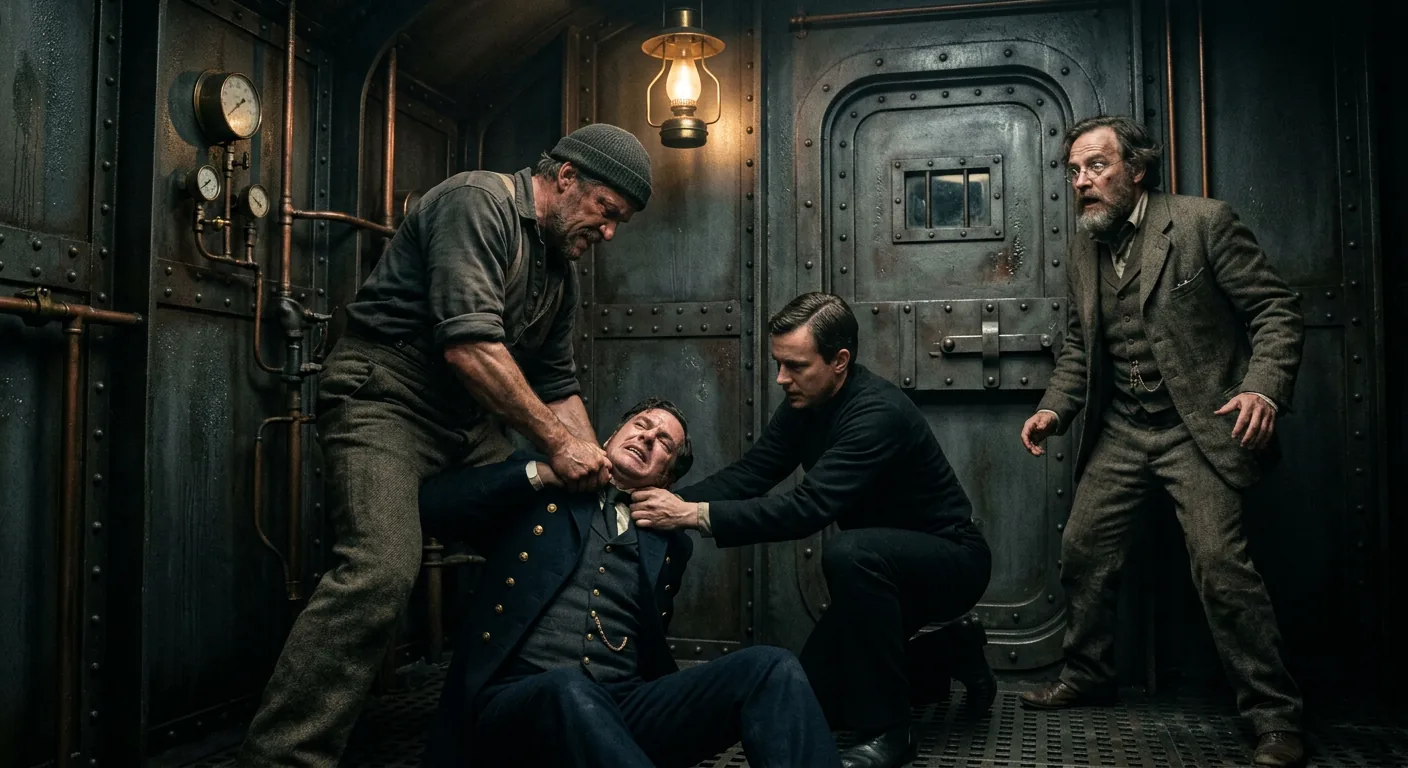
Captives Await Air and Answers
Subscribe to read this chapter.
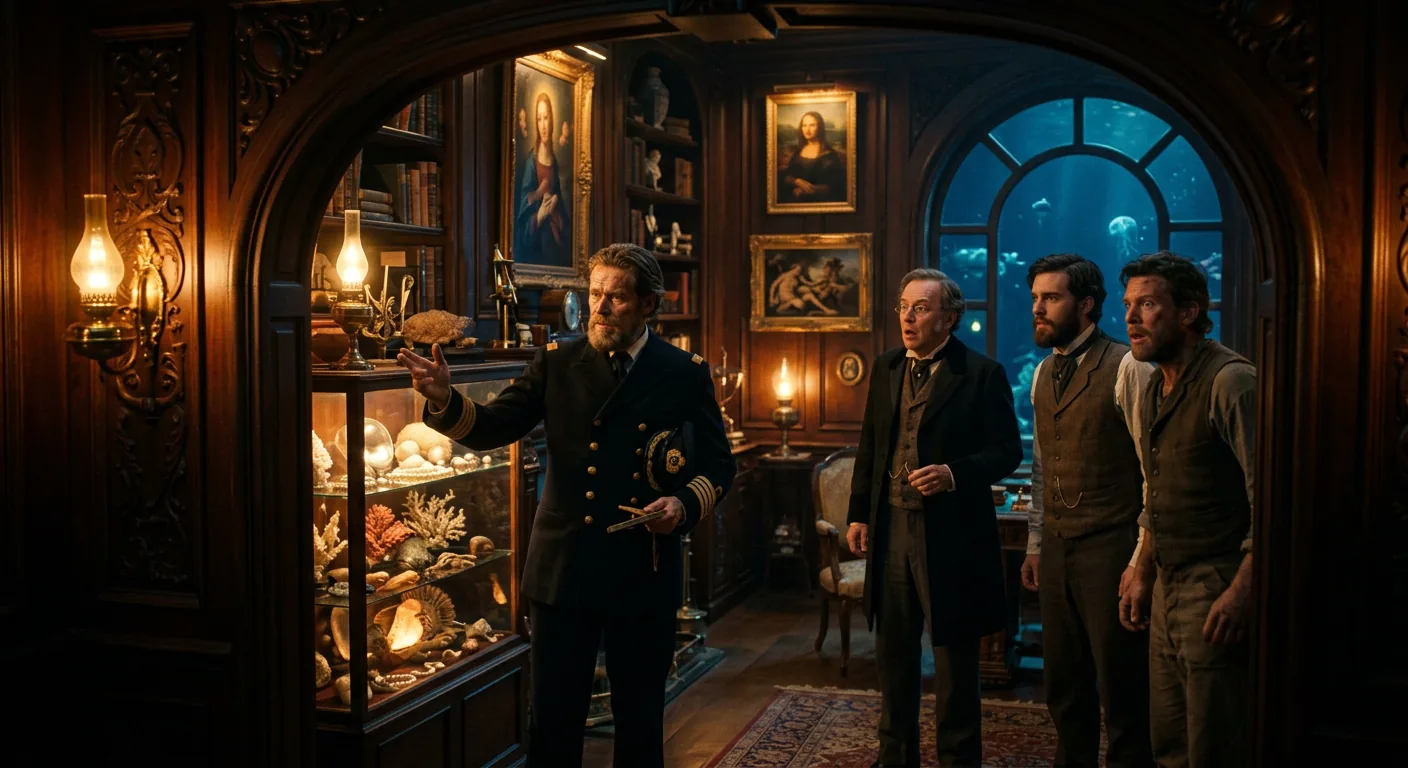
The Captain Reveals Himself
Subscribe to read this chapter.
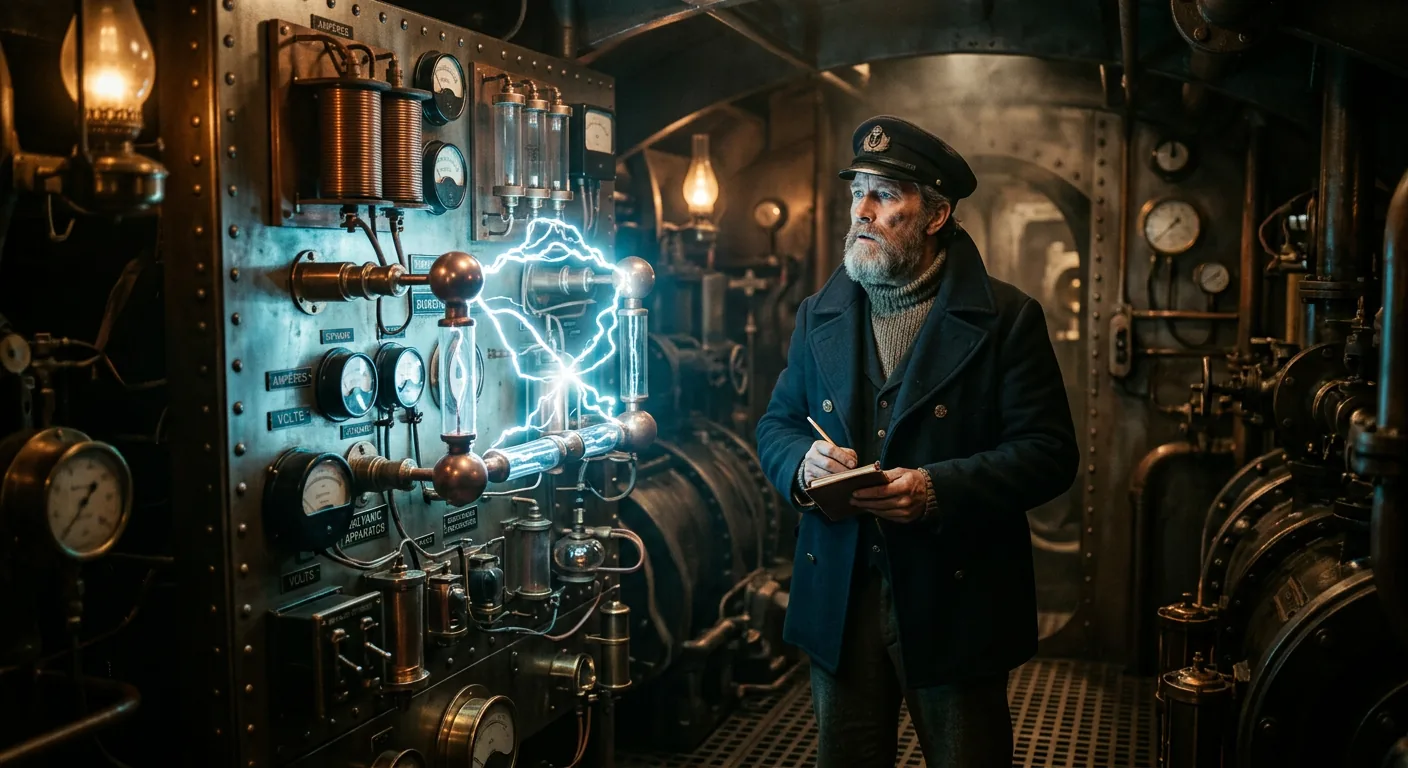
Powering the Deep with Ocean's Energy
Subscribe to read this chapter.
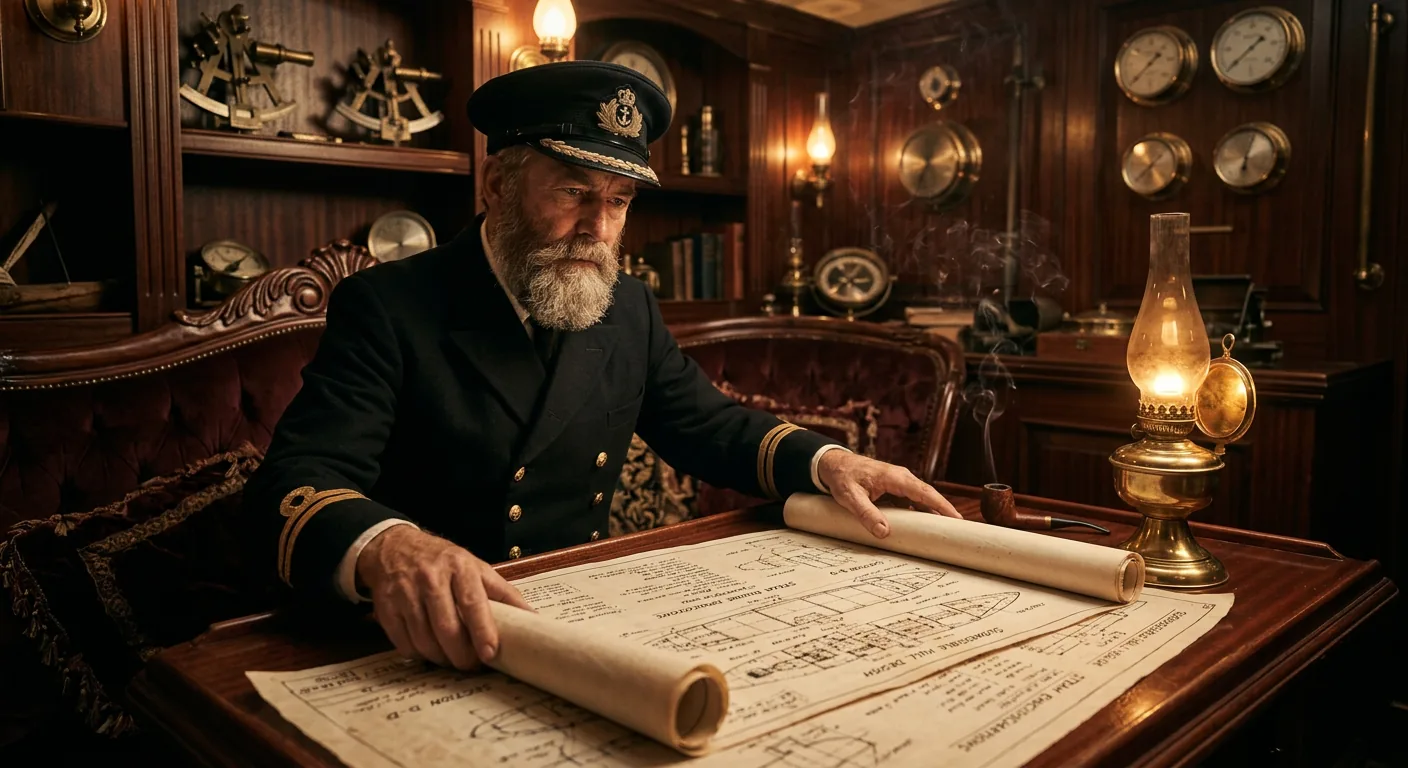
Anatomy of the Nautilus Revealed
Subscribe to read this chapter.
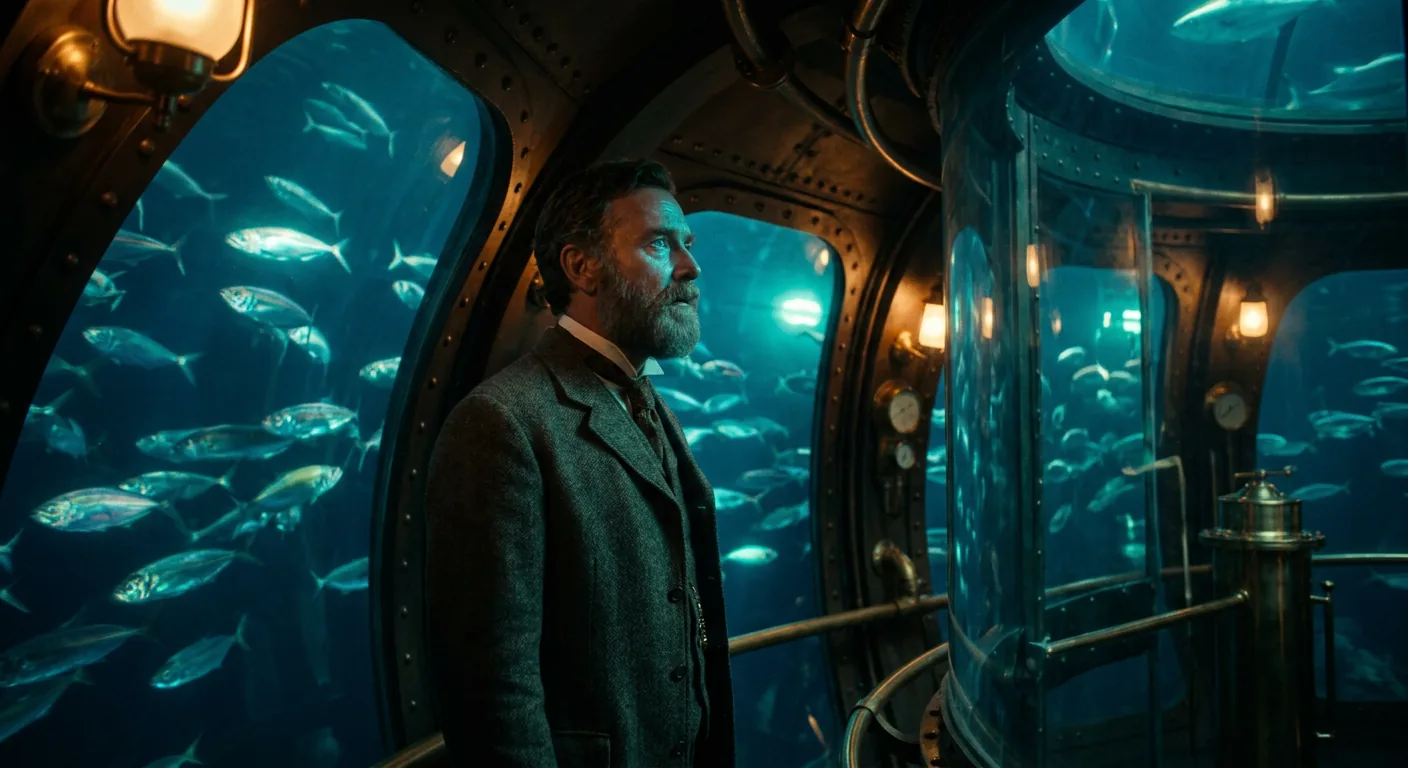
Charting the Pacific's Warm Current
Subscribe to read this chapter.
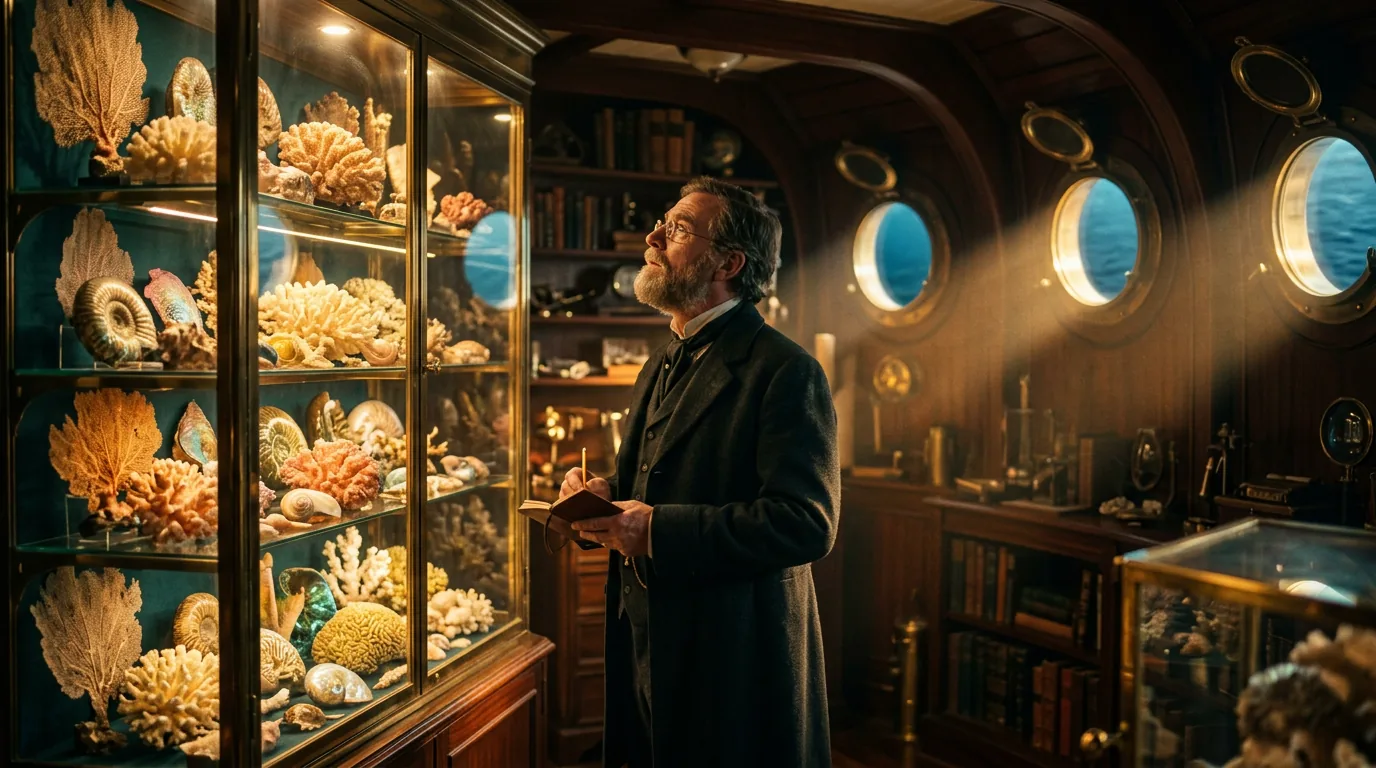
Mysterious Silence and a Hunting Invitation
Subscribe to read this chapter.
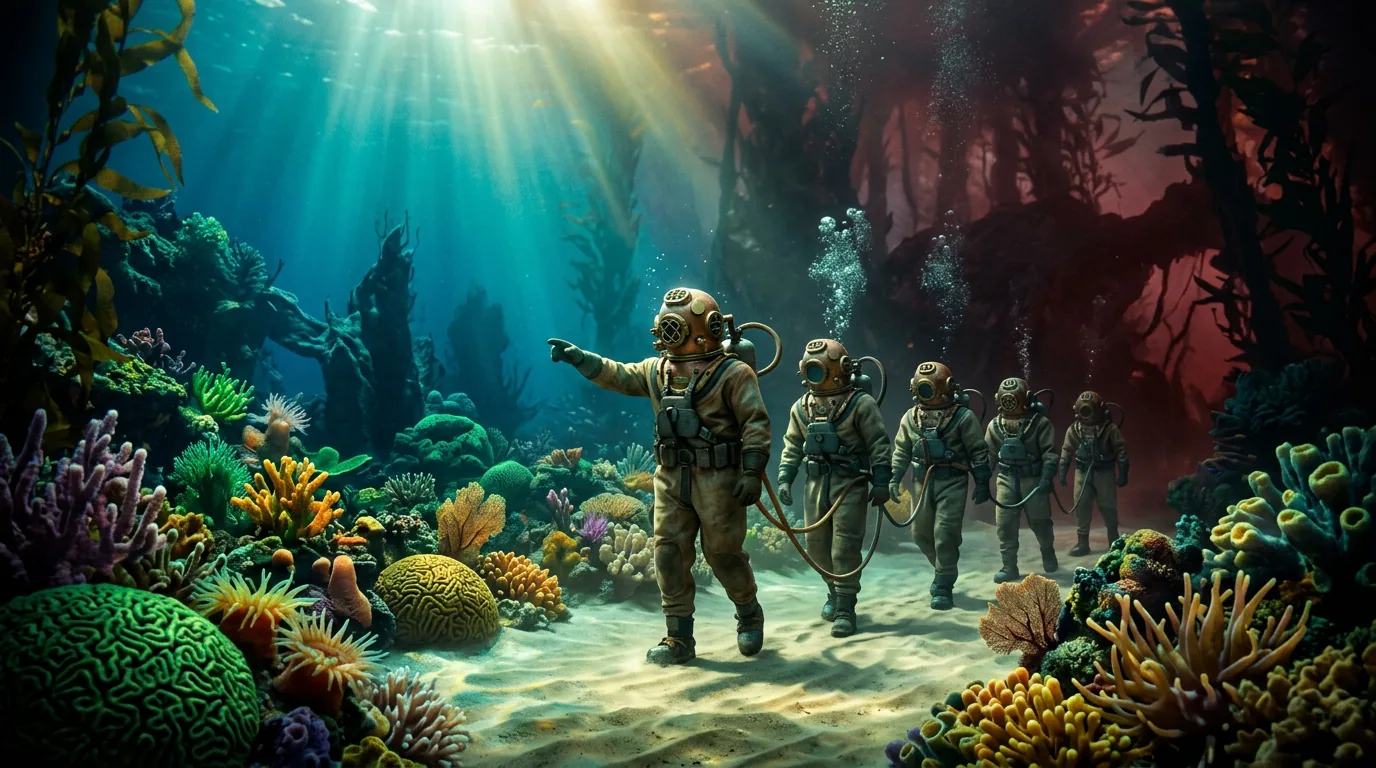
Exploring the Ocean's Sunlit Floor
Subscribe to read this chapter.
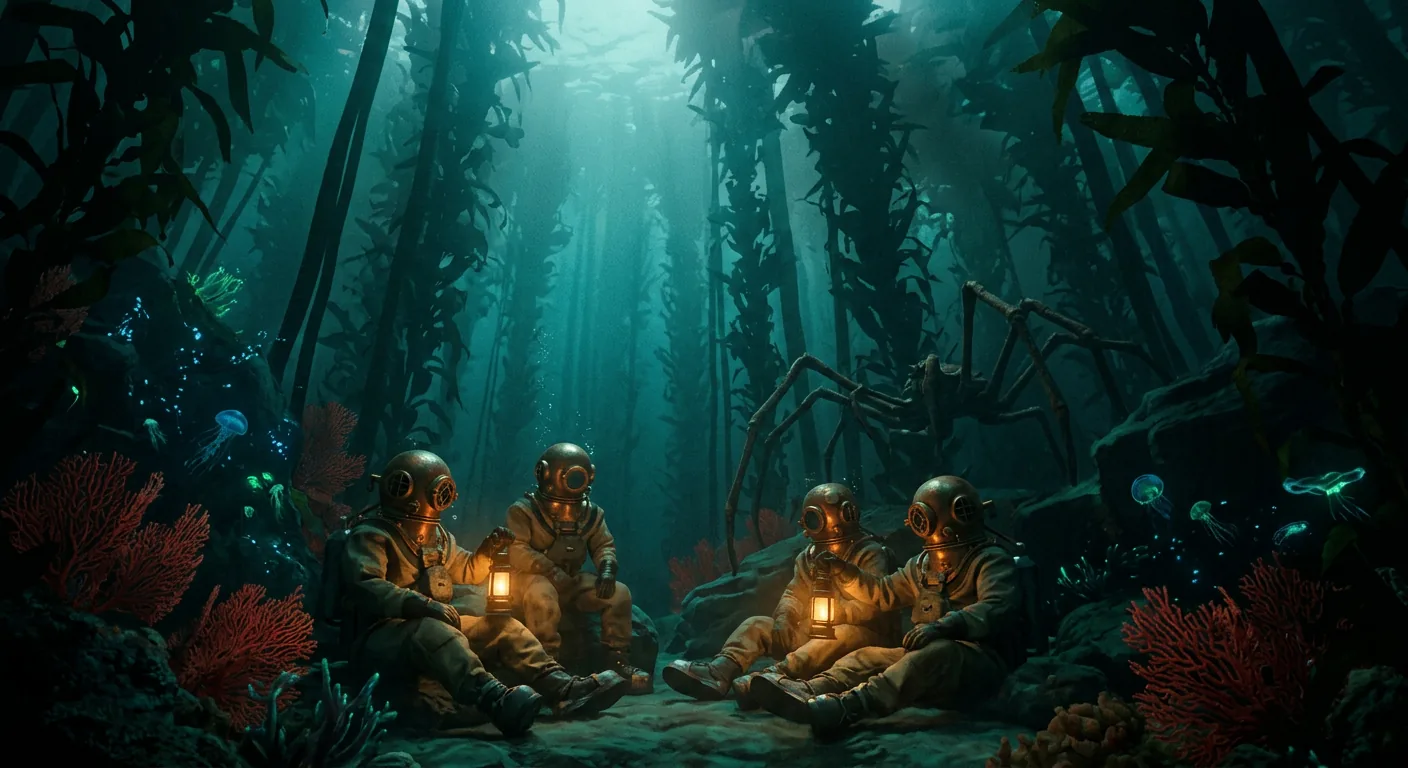
Wonders of the Underwater Wilderness
Subscribe to read this chapter.
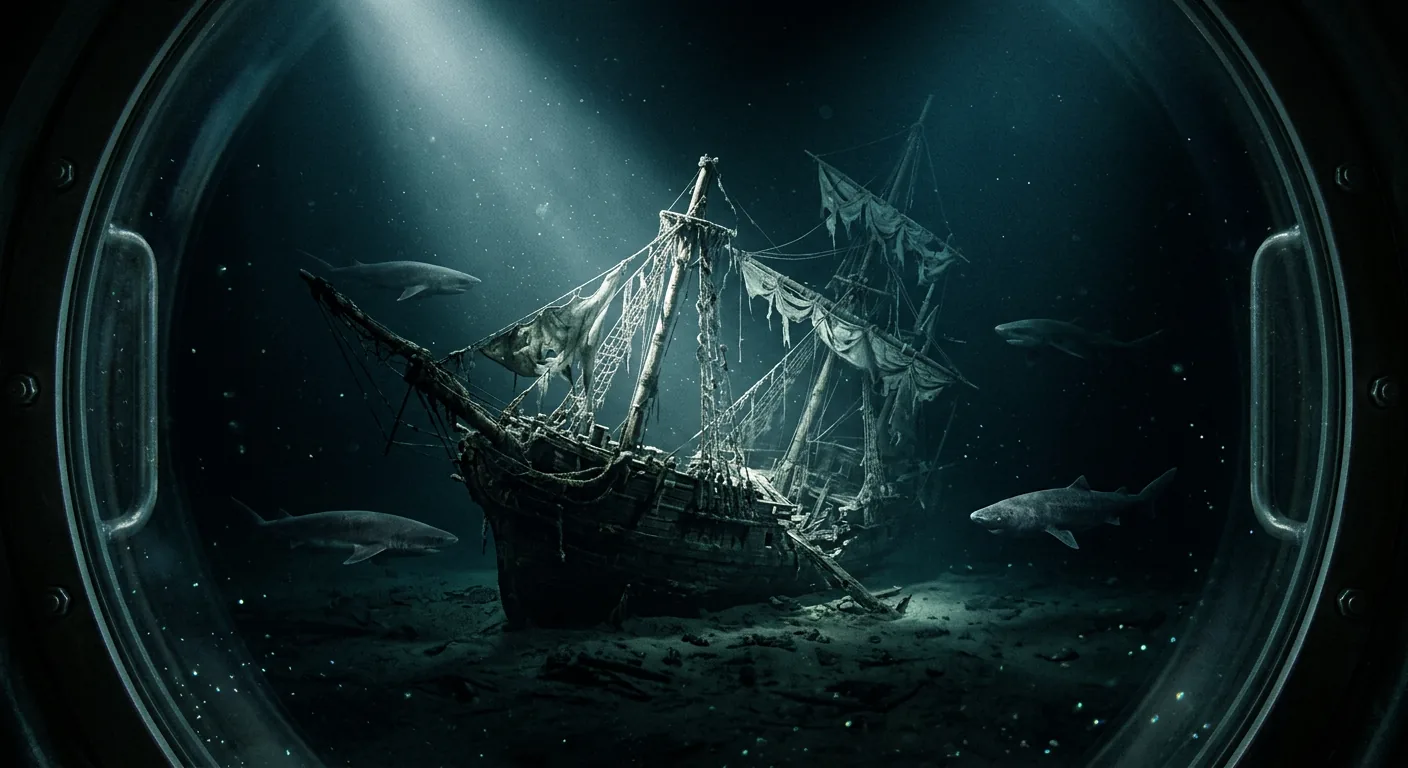
The Living Ocean's Depths Revealed
Subscribe to read this chapter.
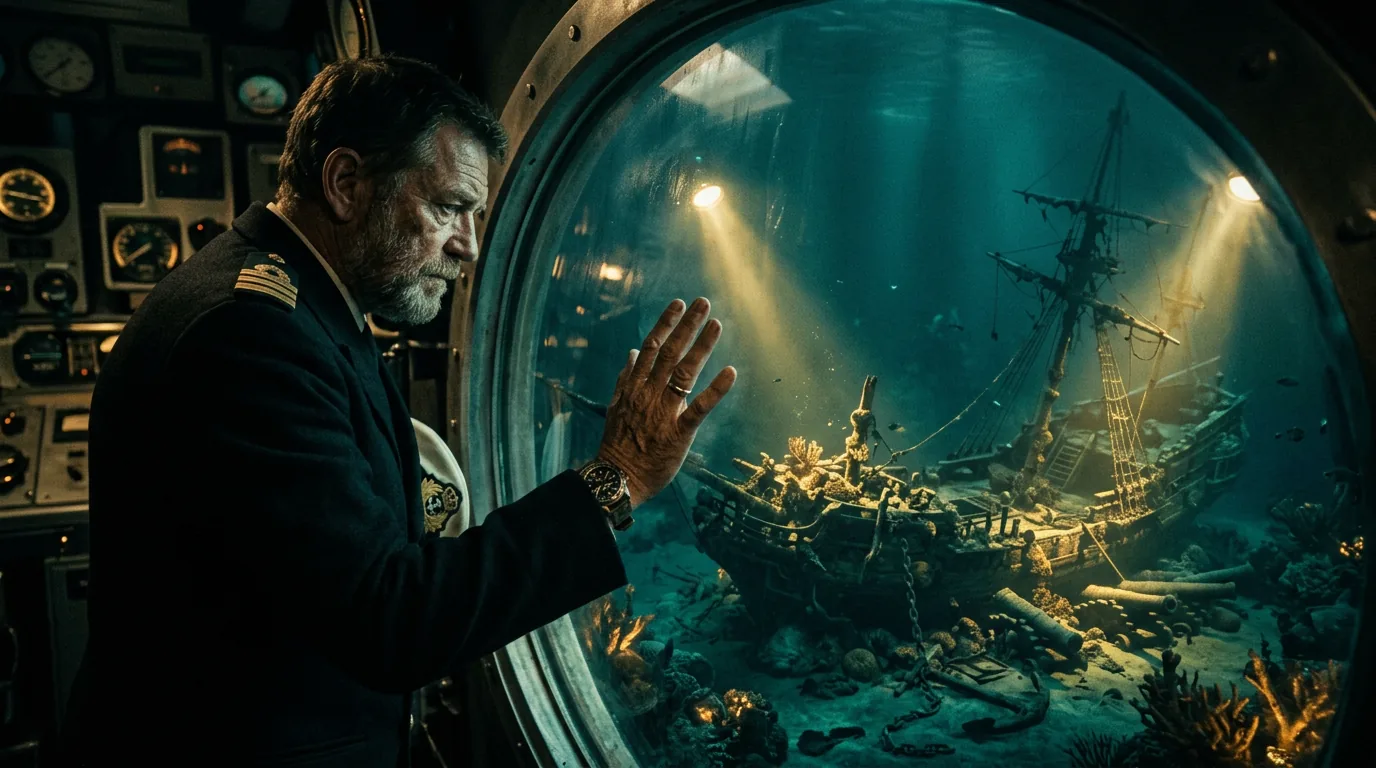
Coral Tombs and Lost Expeditions
Subscribe to read this chapter.

Stranded in Treacherous Coral Waters
Subscribe to read this chapter.
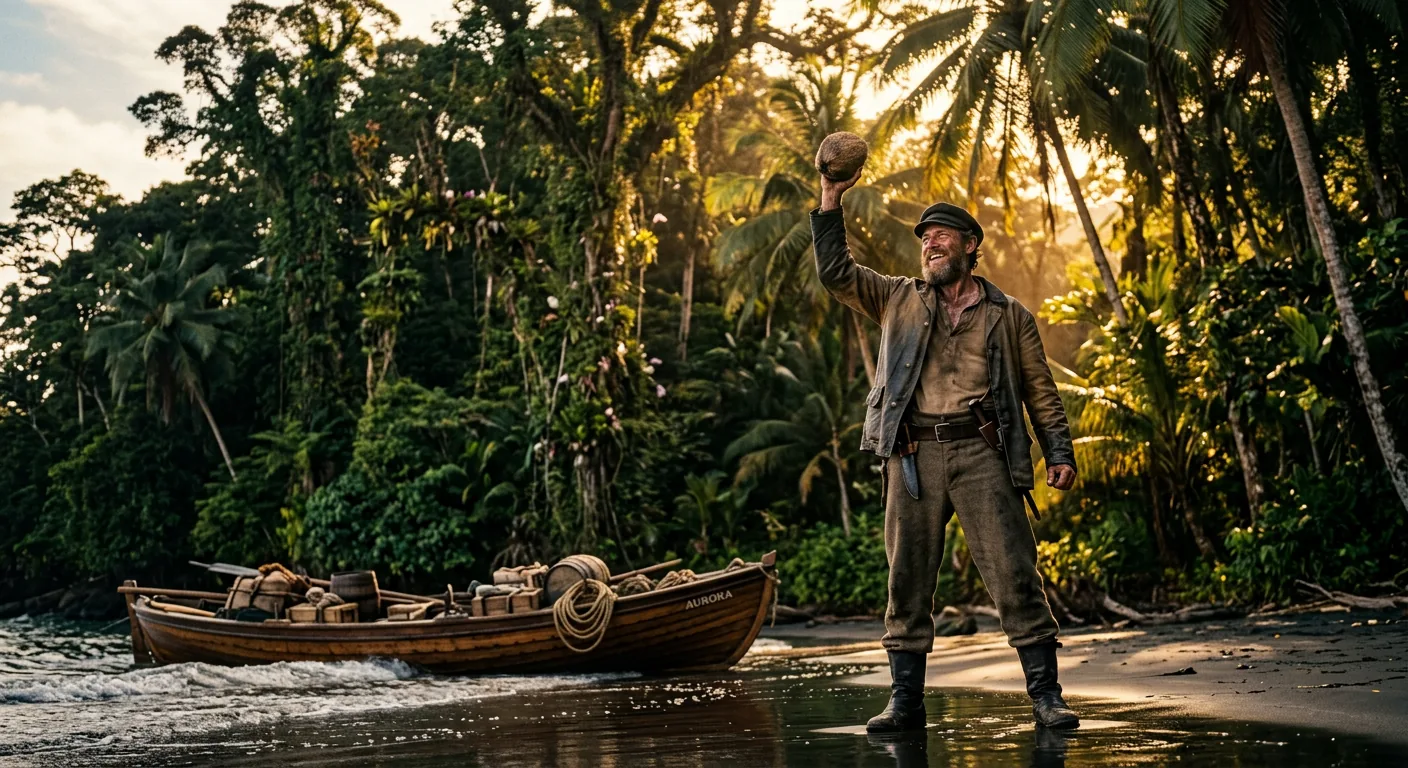
Tropical Bounty and Forest Treasures
Subscribe to read this chapter.

Savages at the Shore
Subscribe to read this chapter.
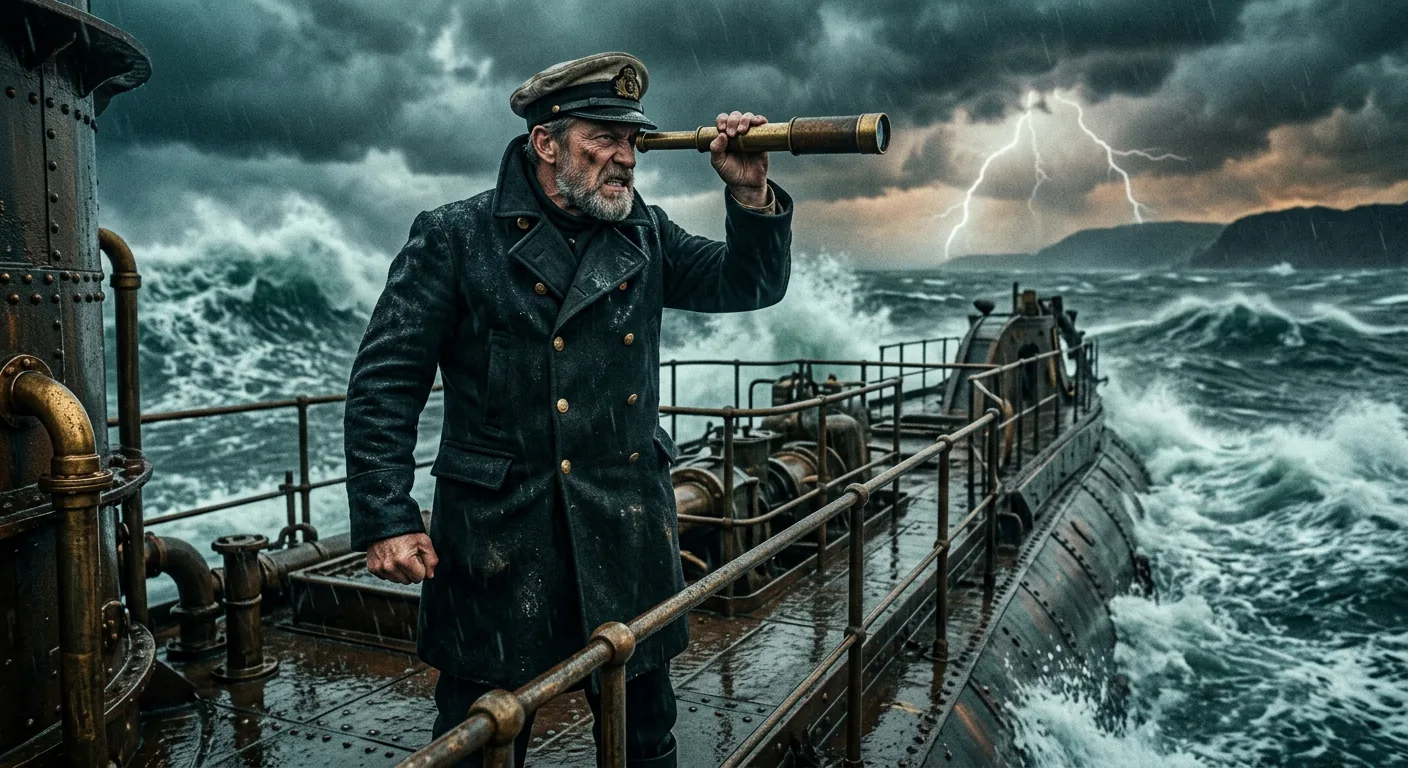
Drifting Through Phosphorescent Seas
Subscribe to read this chapter.
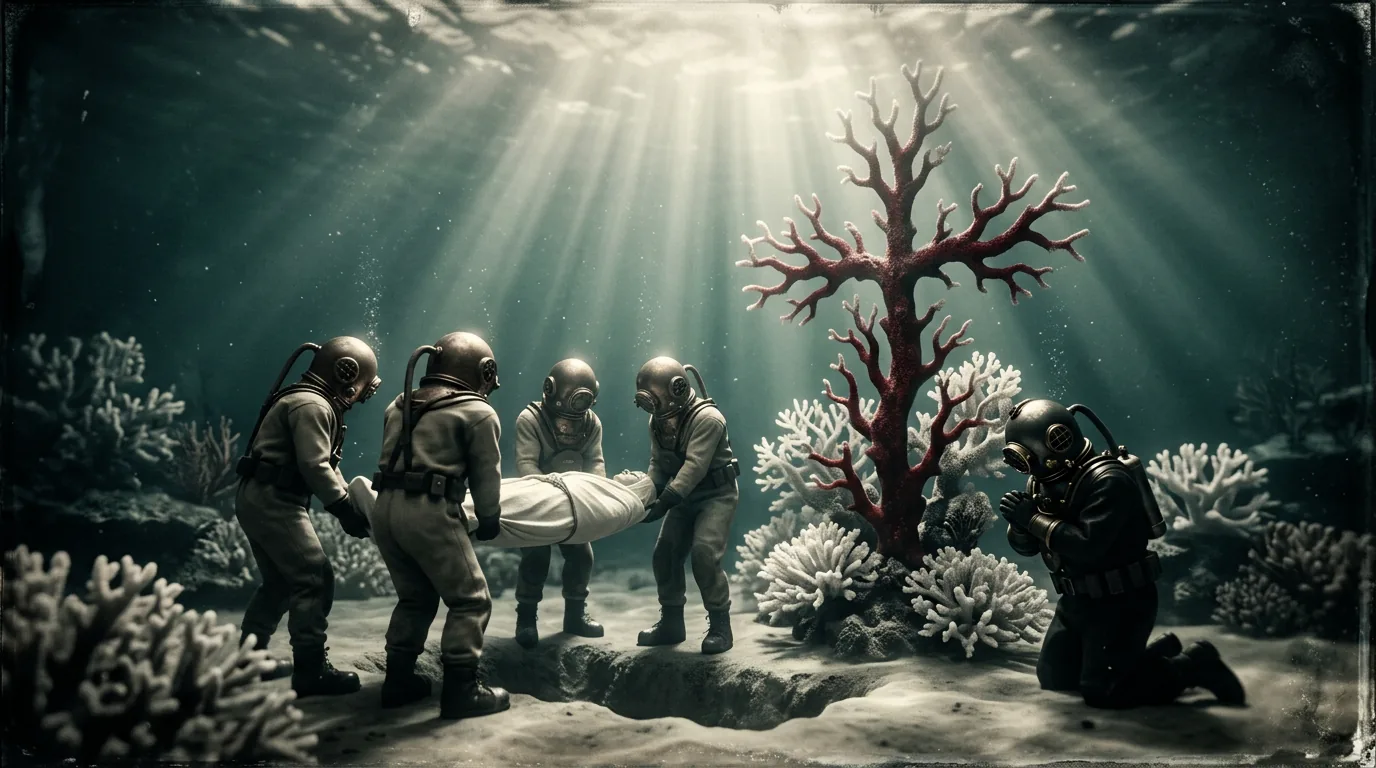
Death and Tears Beneath the Waves
Subscribe to read this chapter.
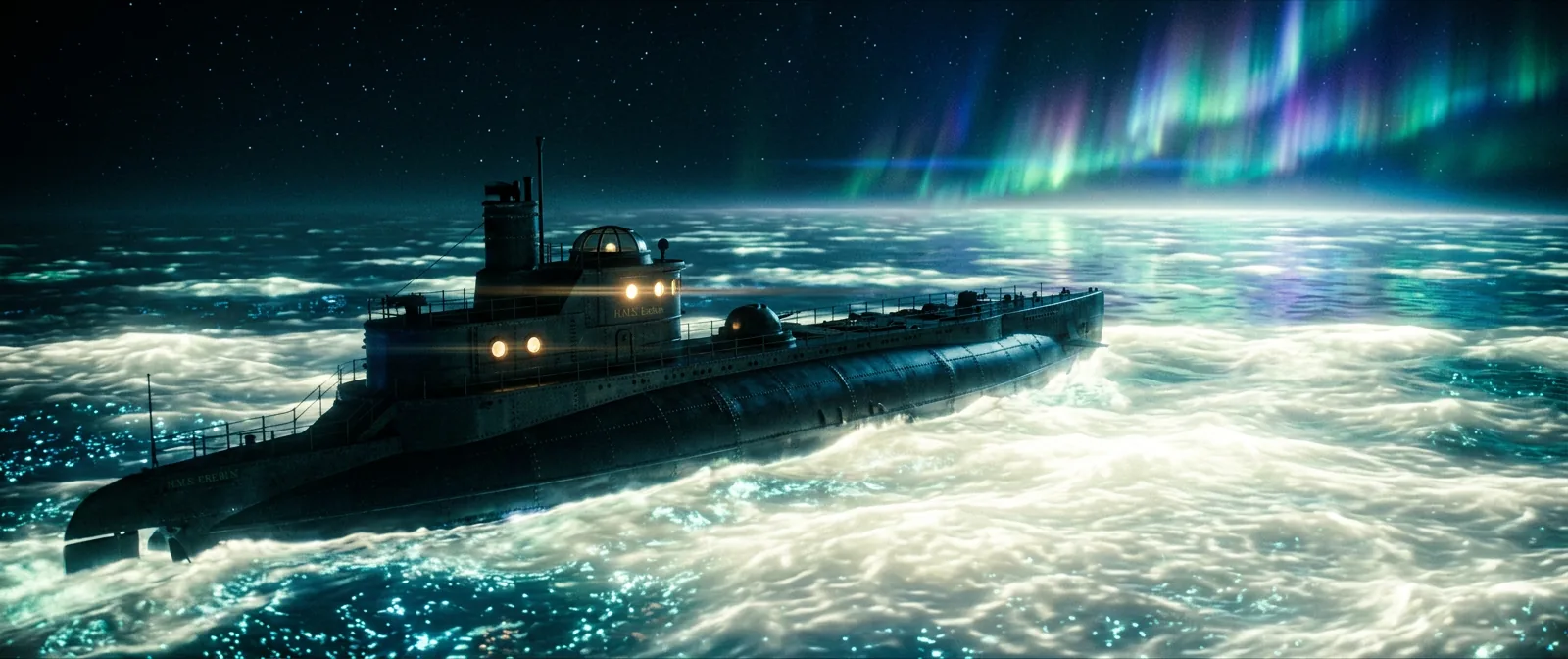
Mysteries of the Deep Waters
Subscribe to read this chapter.
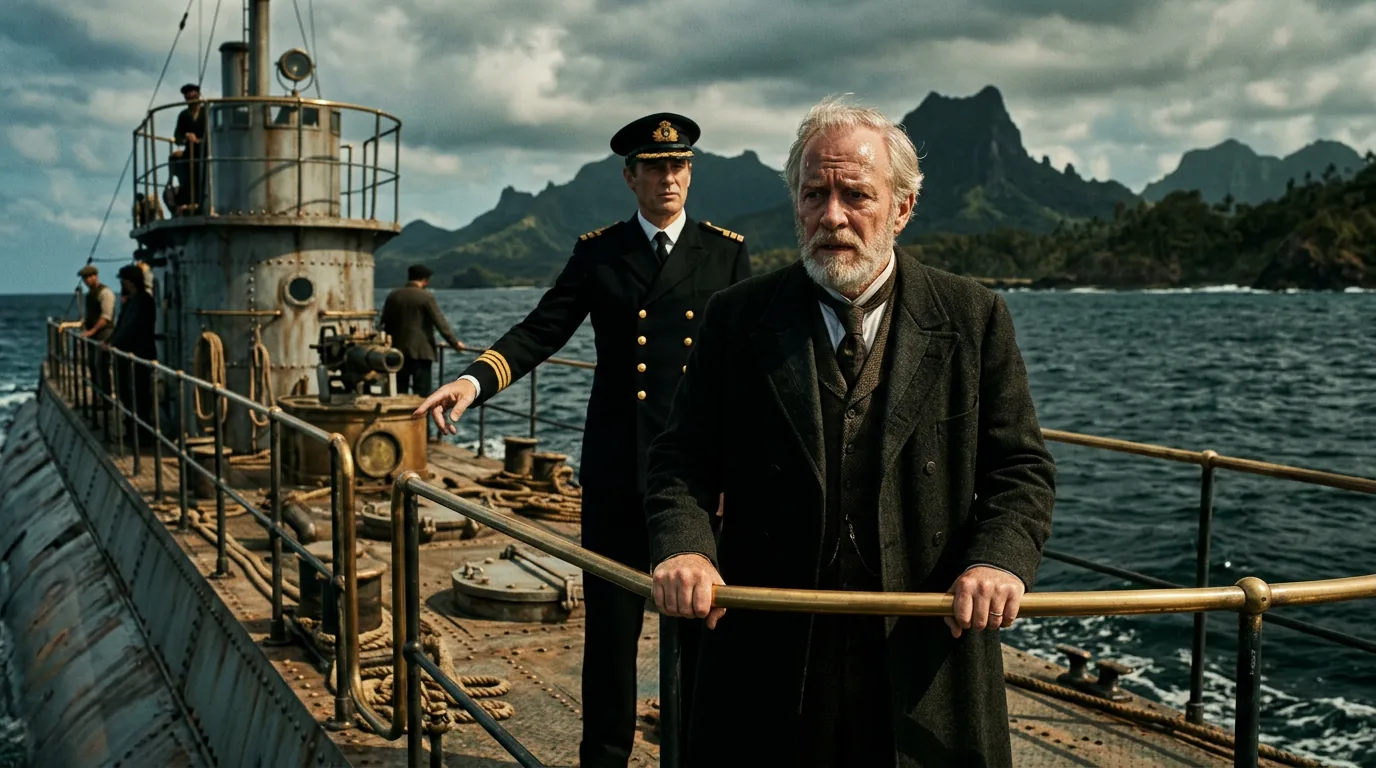
The Pearl Fisheries of Ceylon
Subscribe to read this chapter.
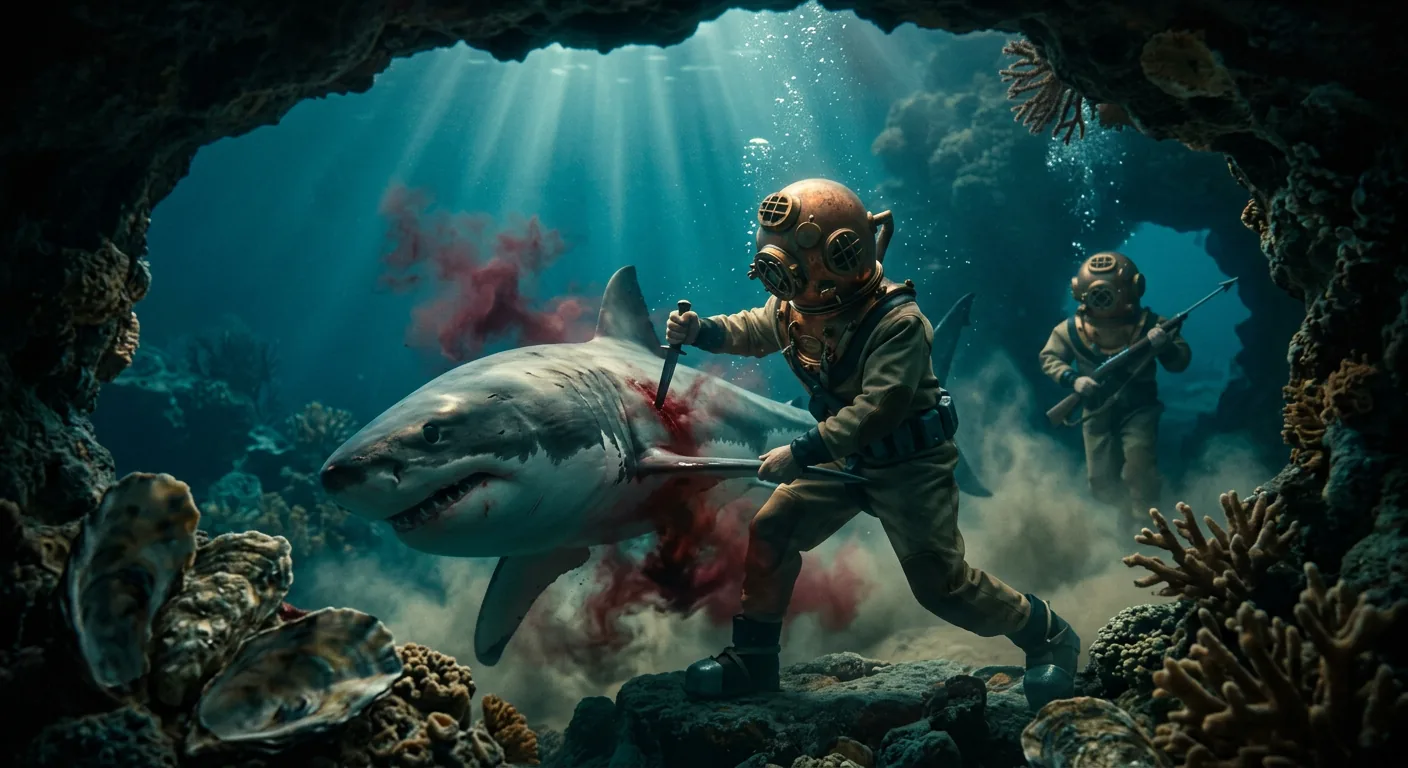
Dangers of the Pearl Beds
Subscribe to read this chapter.
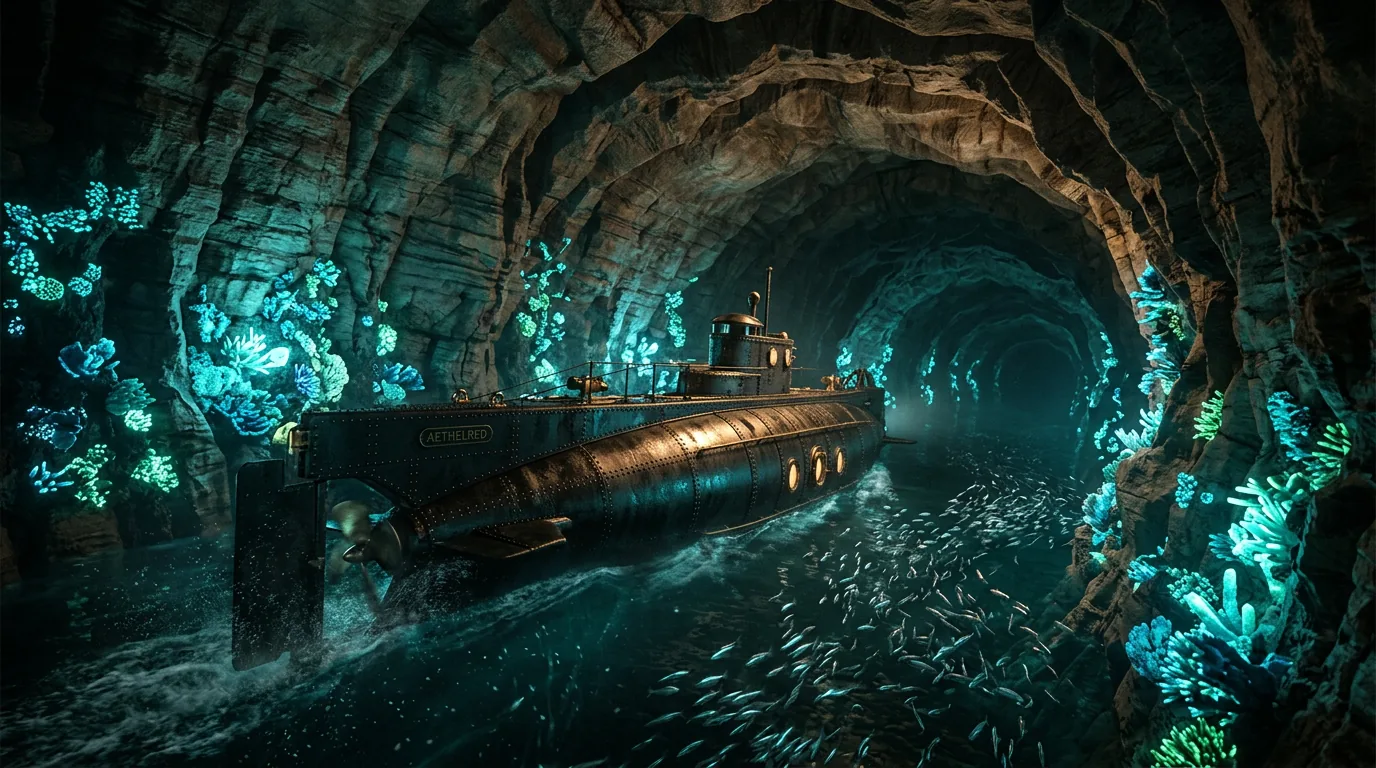
Passage Through Ancient Waters
Subscribe to read this chapter.
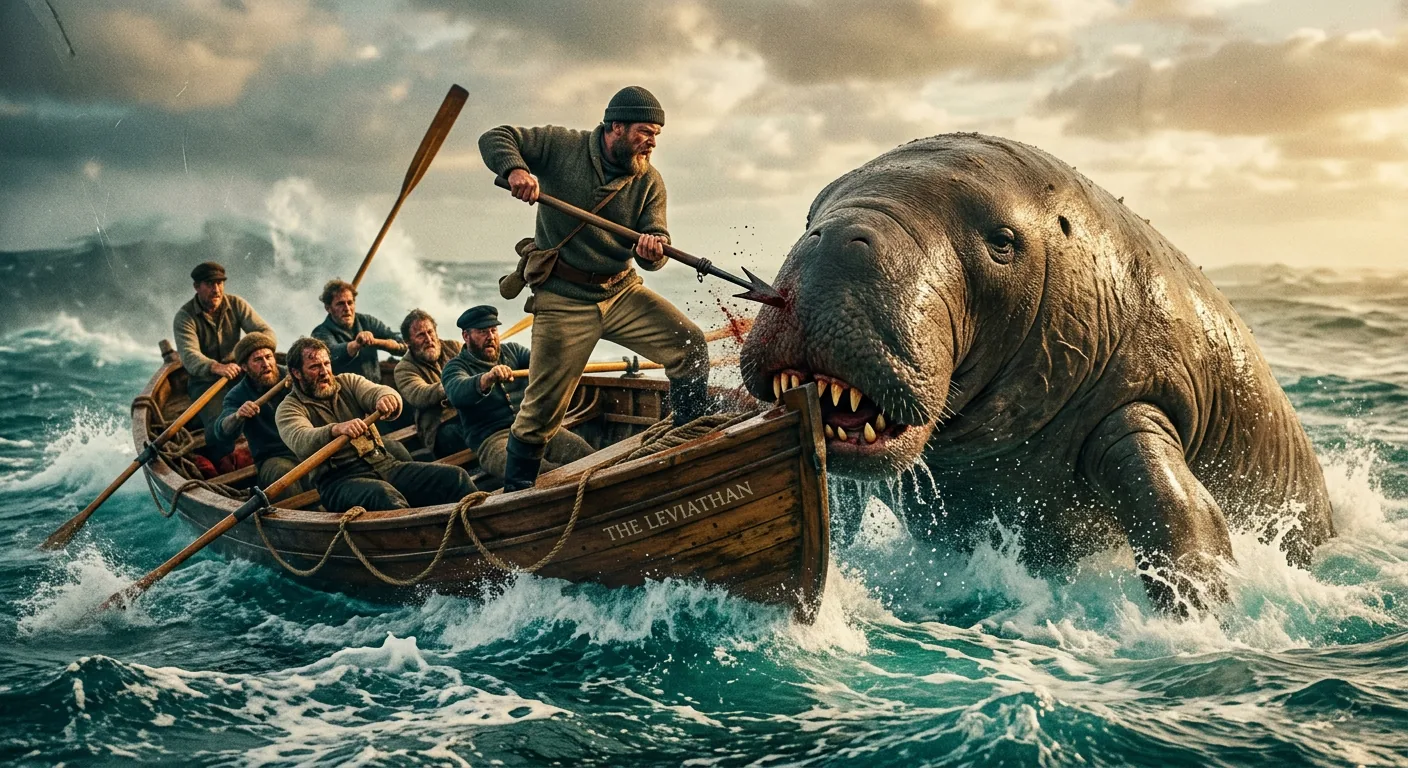
The Dugong Hunt in the Red Sea
Subscribe to read this chapter.
Escape Plans in European Waters
Subscribe to read this chapter.
A Swift Passage Through Haunted Waters
Subscribe to read this chapter.
The Escape Plan Takes Shape
Subscribe to read this chapter.
The Atlantic's Sunken Secrets
Subscribe to read this chapter.
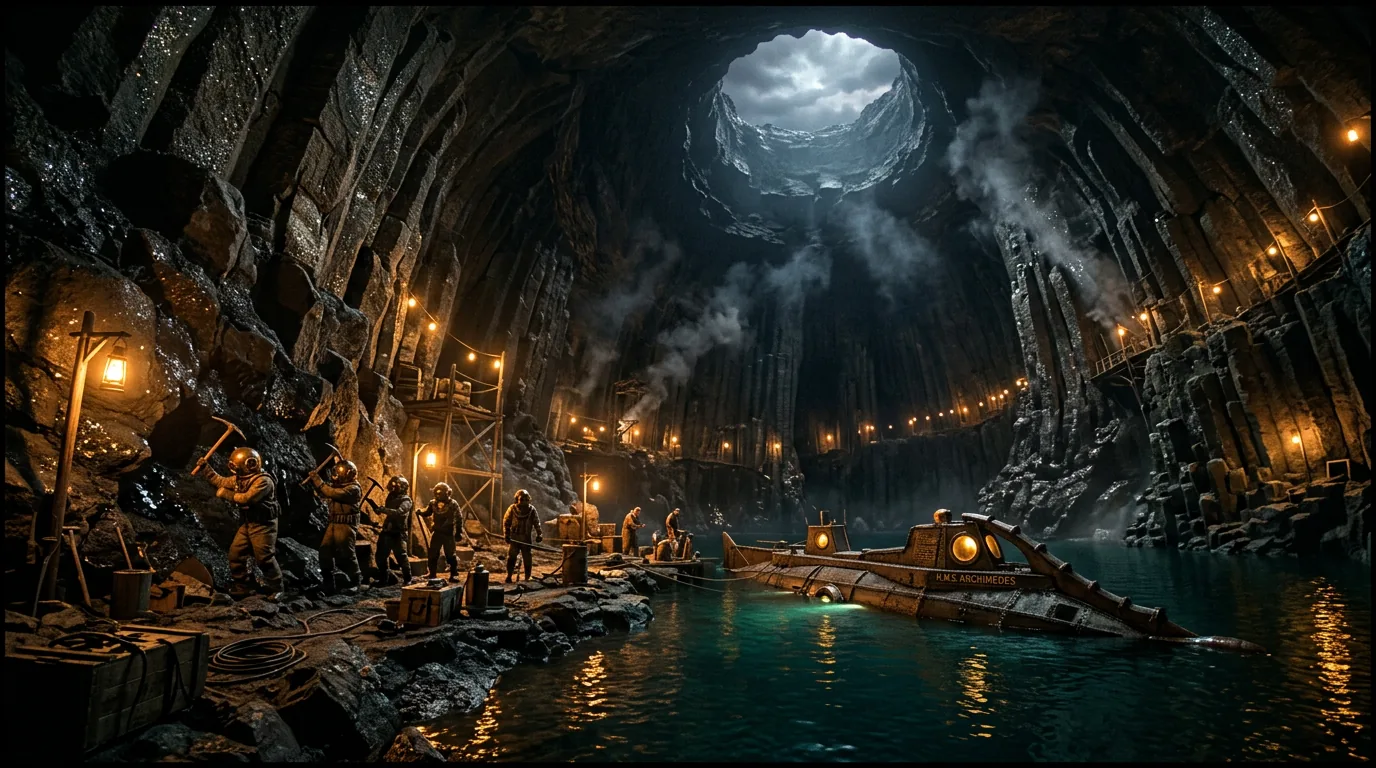
Into the Heart of a Volcano
Subscribe to read this chapter.
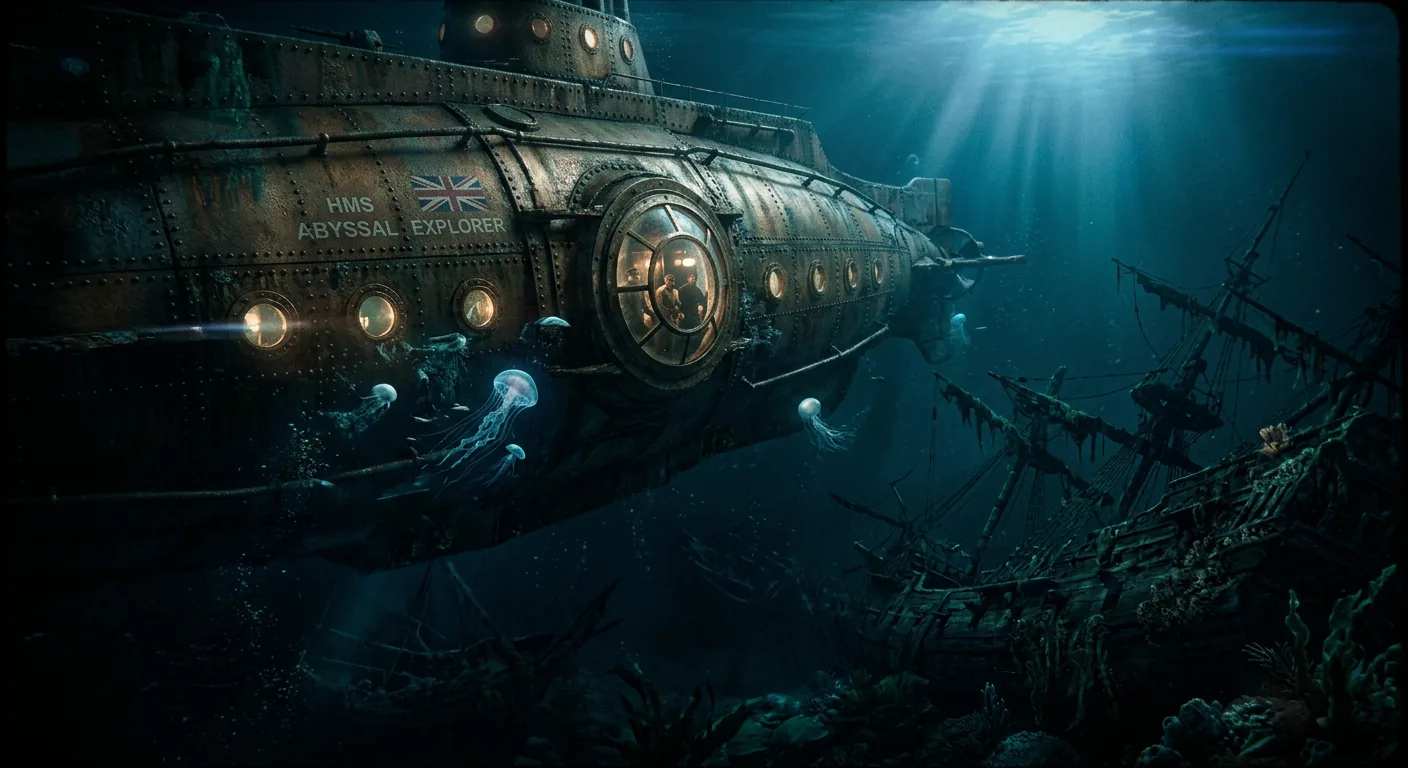
A Meadow in the Atlantic
Subscribe to read this chapter.
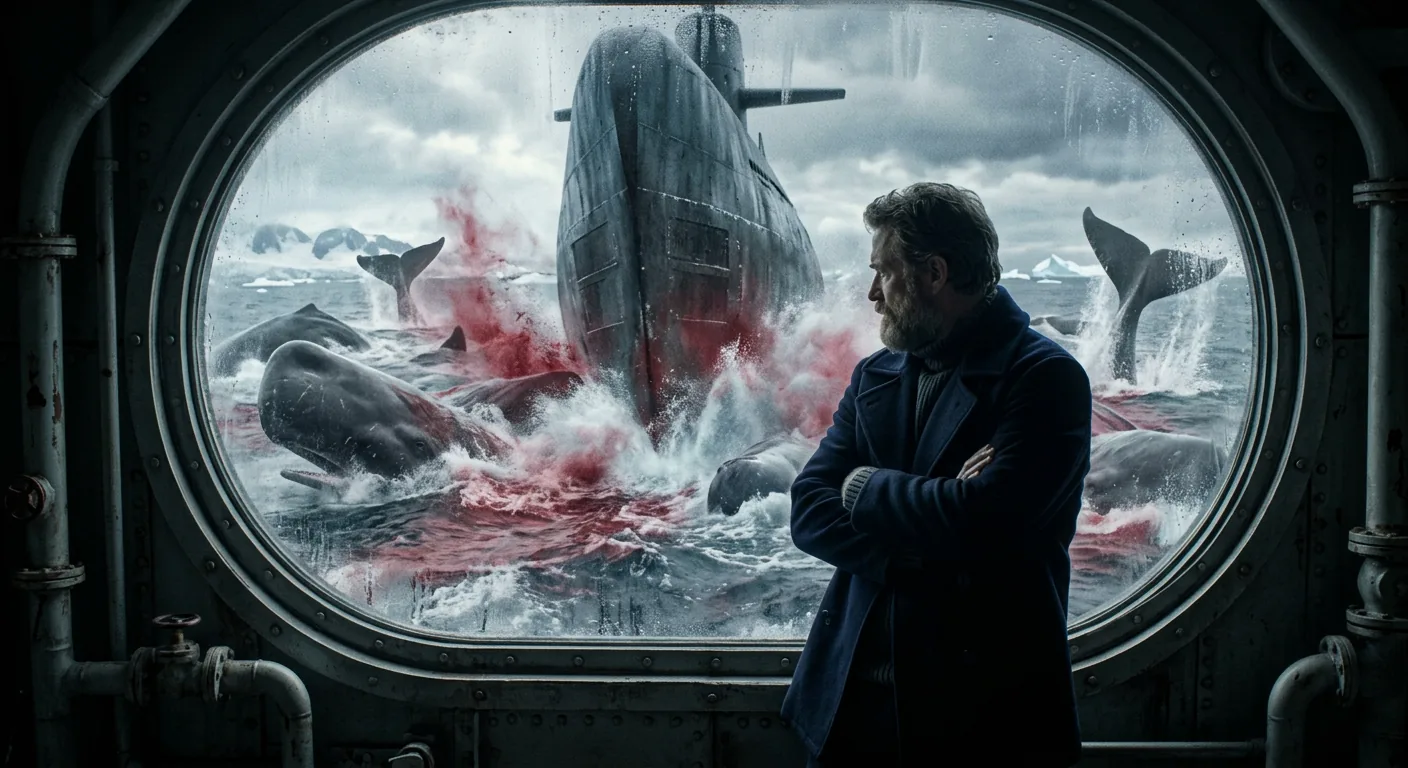
Ned Land's Restless Longing
Subscribe to read this chapter.
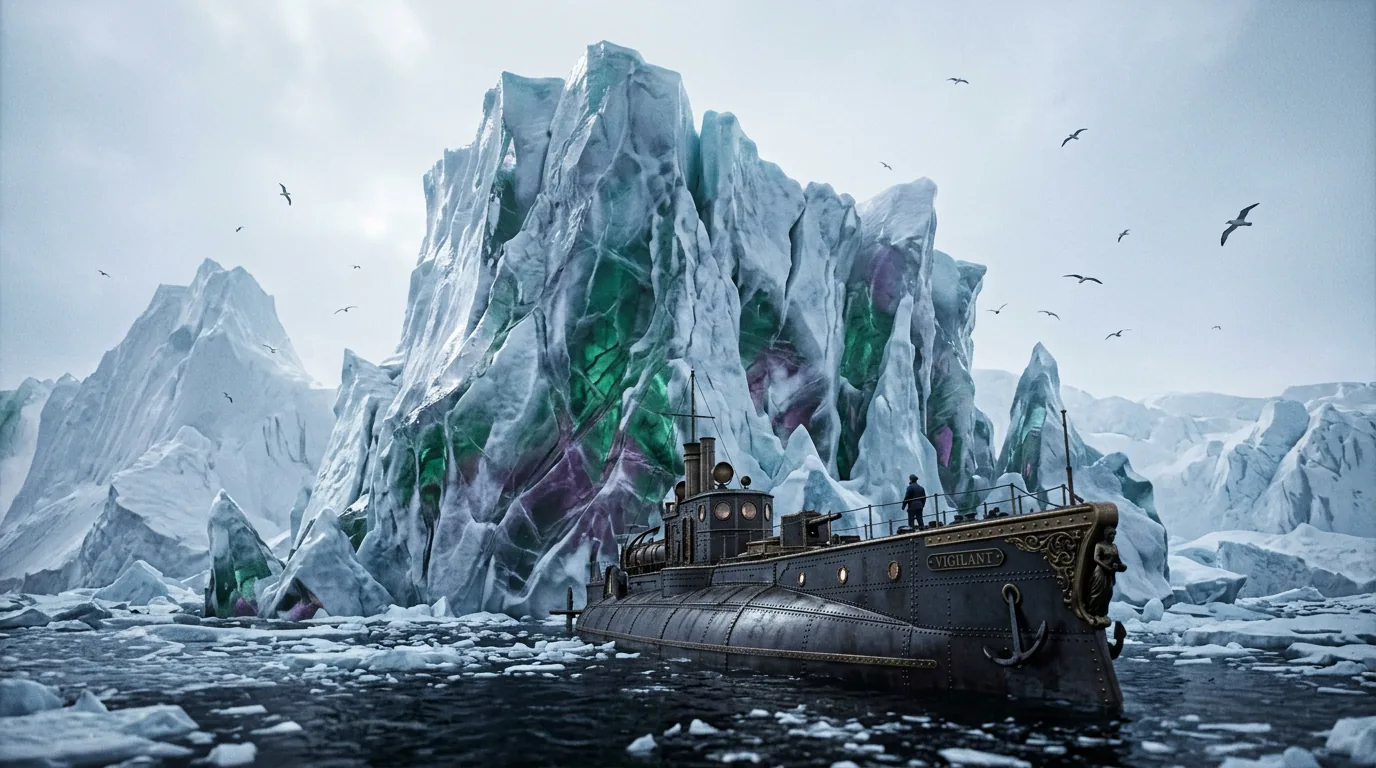
Frozen Cathedrals of the Antarctic
Subscribe to read this chapter.
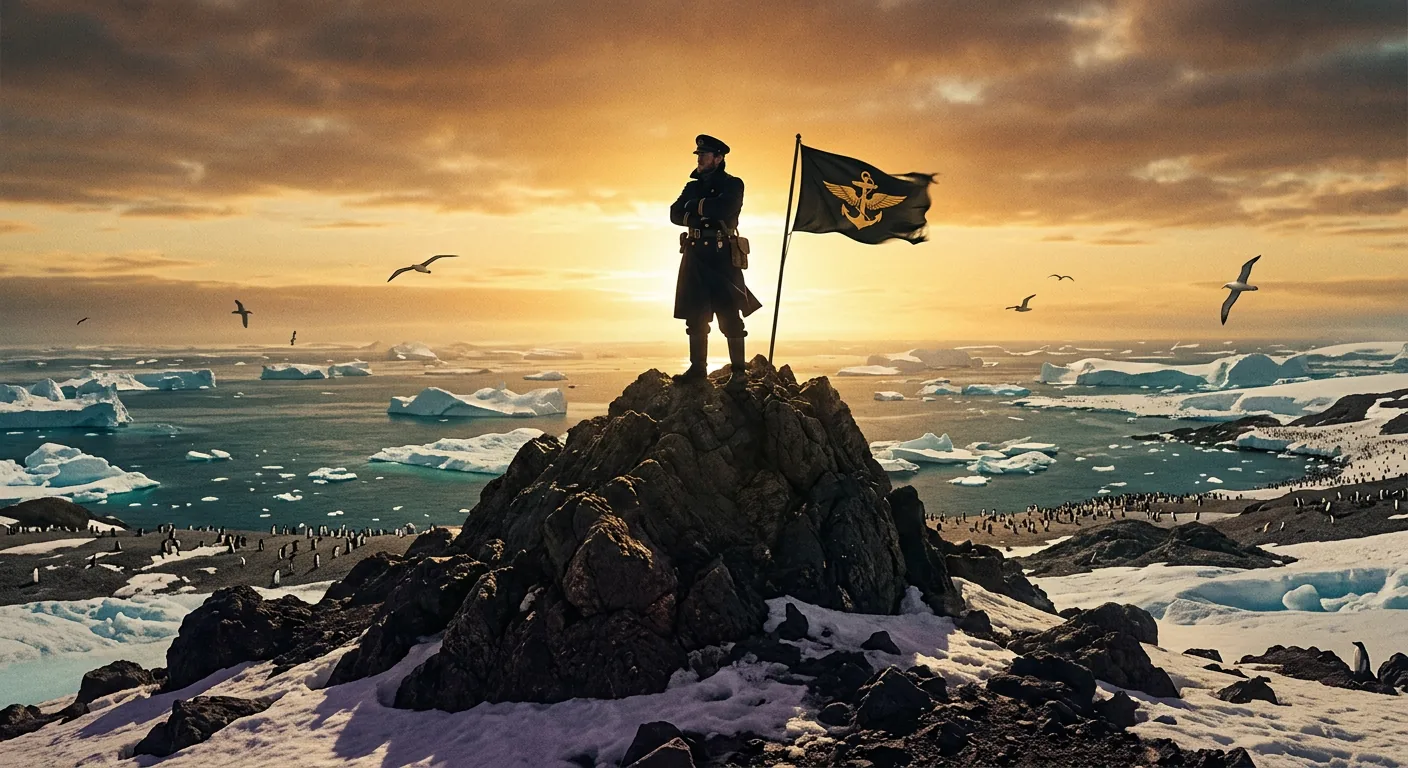
First Footsteps on the Antarctic Shore
Subscribe to read this chapter.
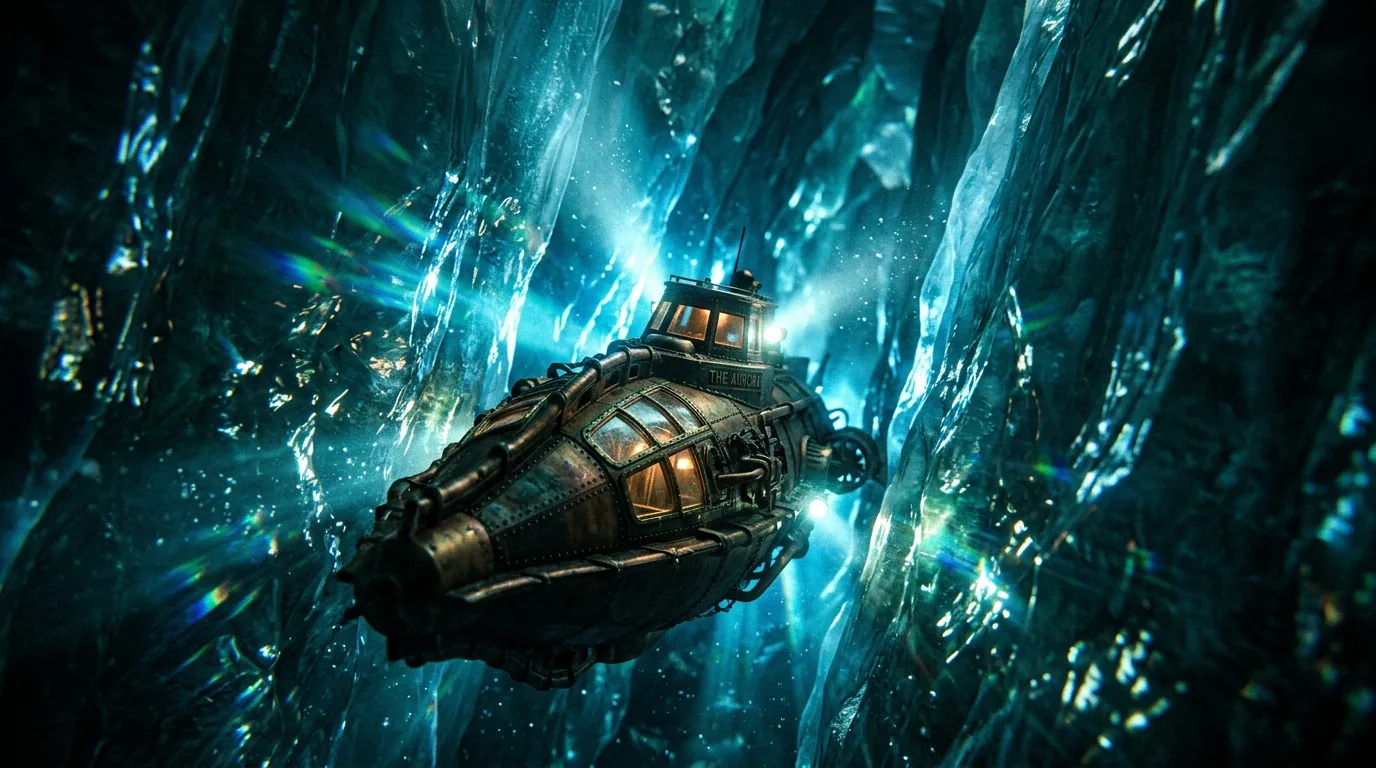
Trapped Beneath the Turning Ice
Subscribe to read this chapter.
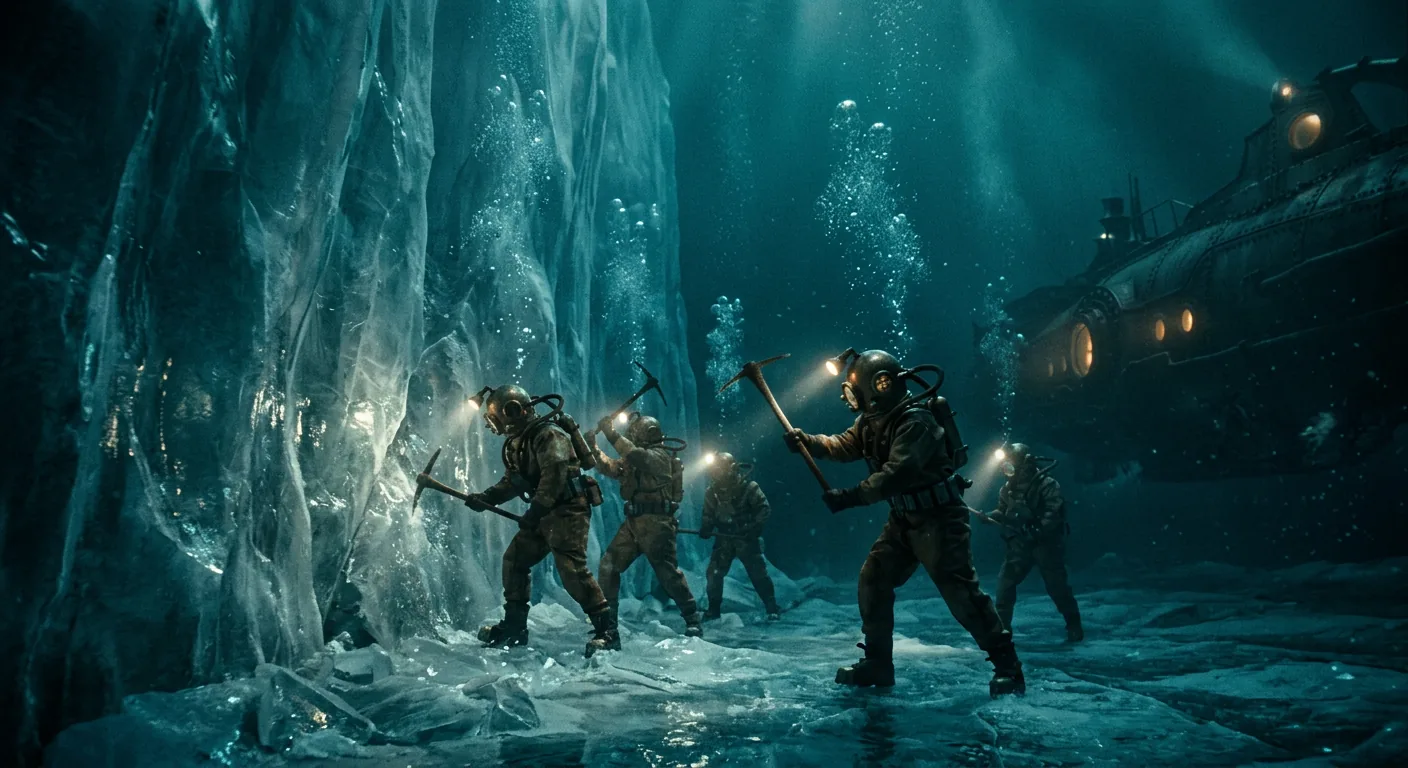
Trapped Beneath the Ice
Subscribe to read this chapter.
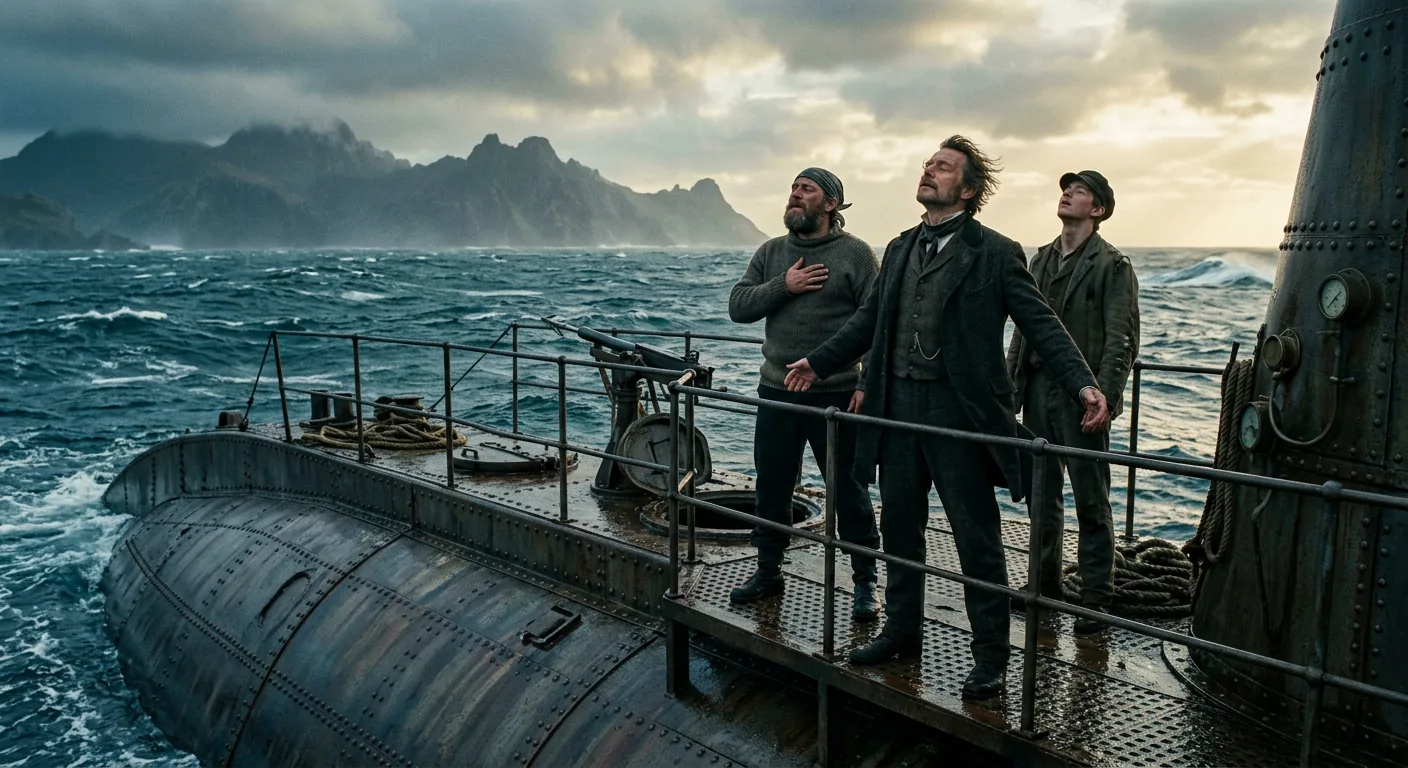
Gasping Northward Through Atlantic Waters
Subscribe to read this chapter.
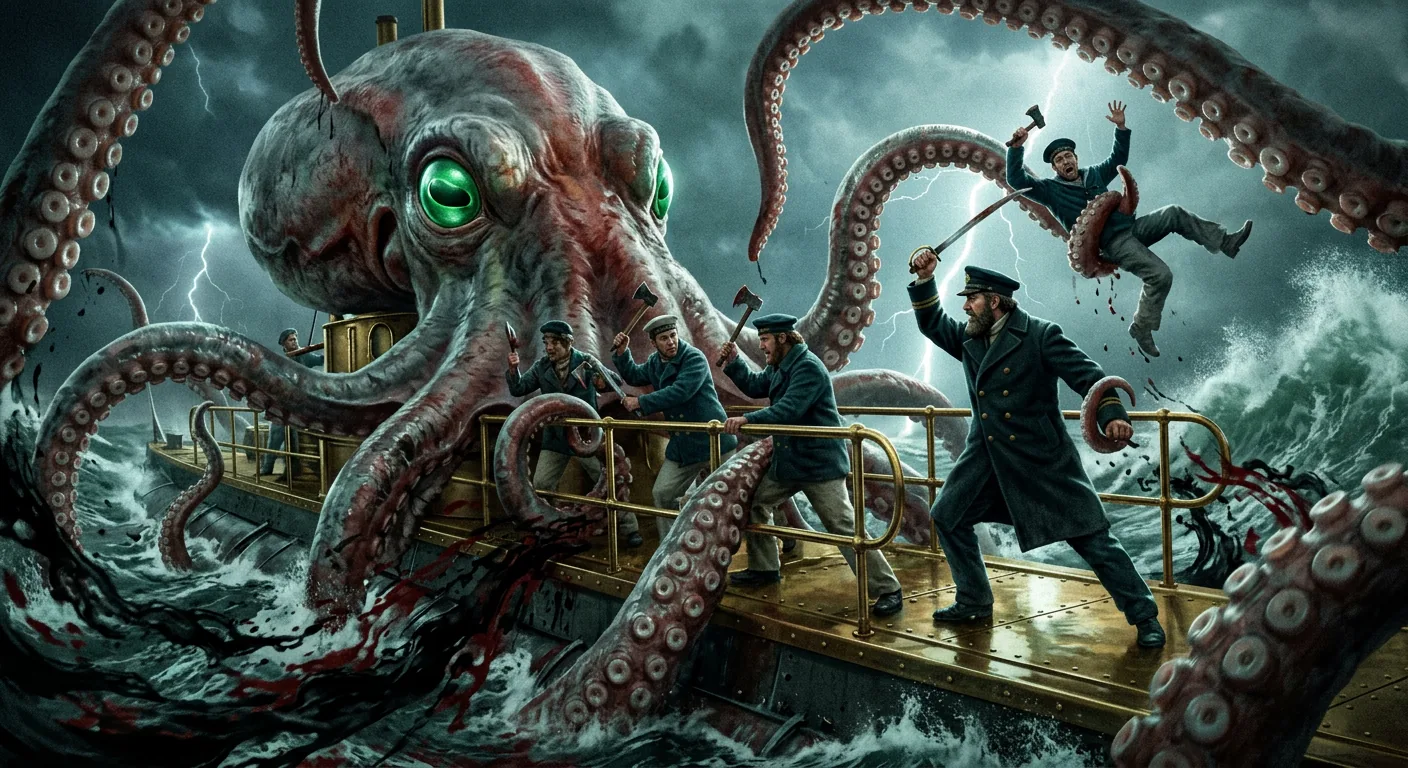
Monsters of Legend and Sea
Subscribe to read this chapter.
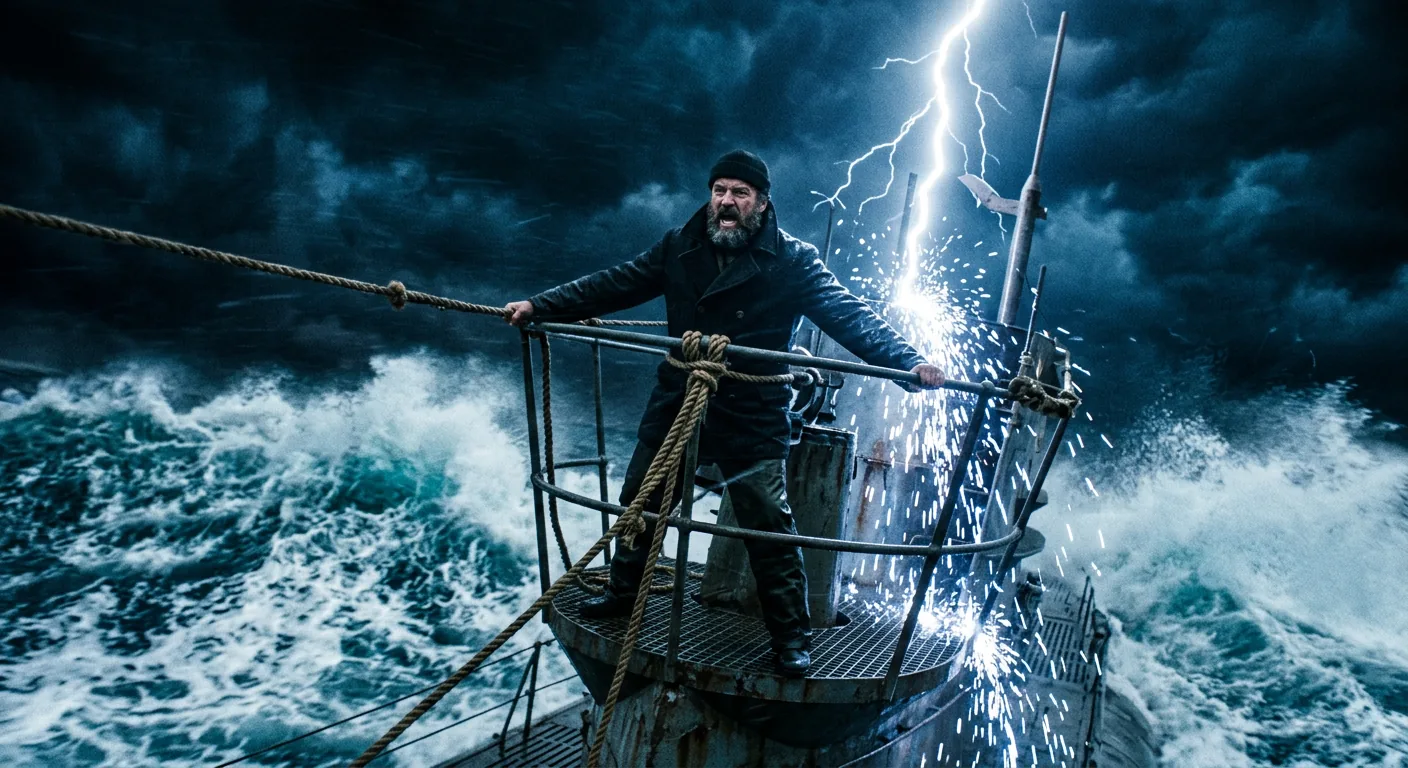
Grief, Currents, and Captive Longings
Subscribe to read this chapter.
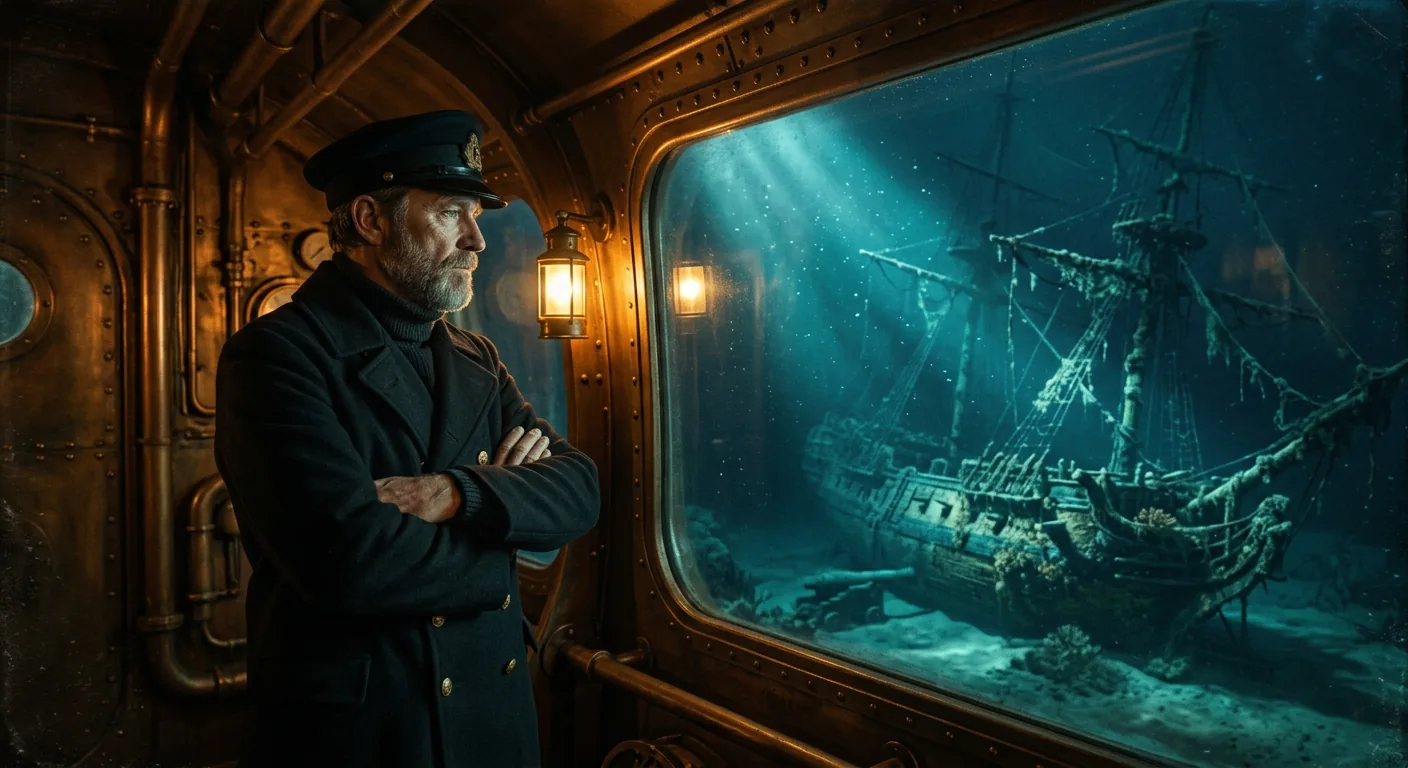
The Atlantic Cable's Silent Depths
Subscribe to read this chapter.
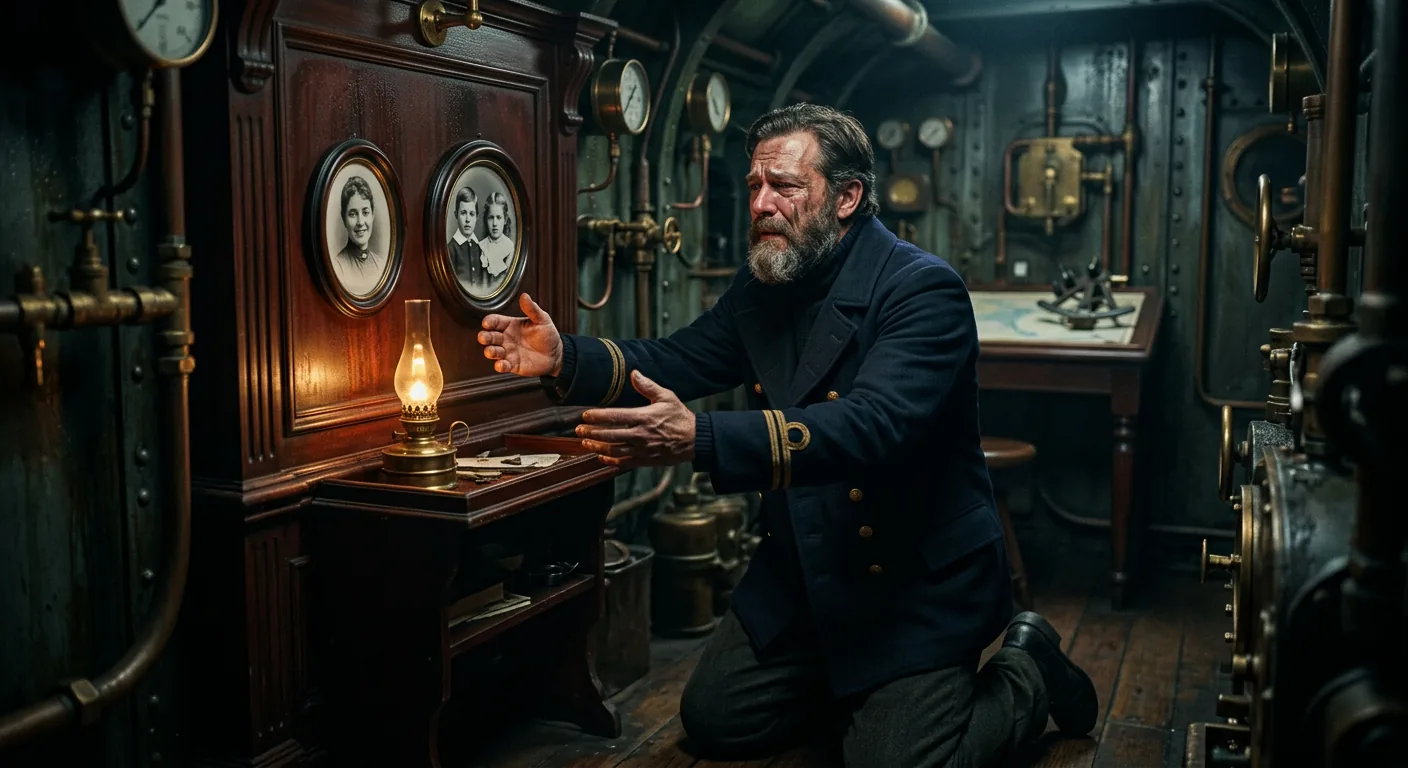
Vengeance Surfaces From the Deep
Subscribe to read this chapter.
Flight Into the Unknown North
Subscribe to read this chapter.

Survivors Reflect on an Incredible Journey
Subscribe to read this chapter.