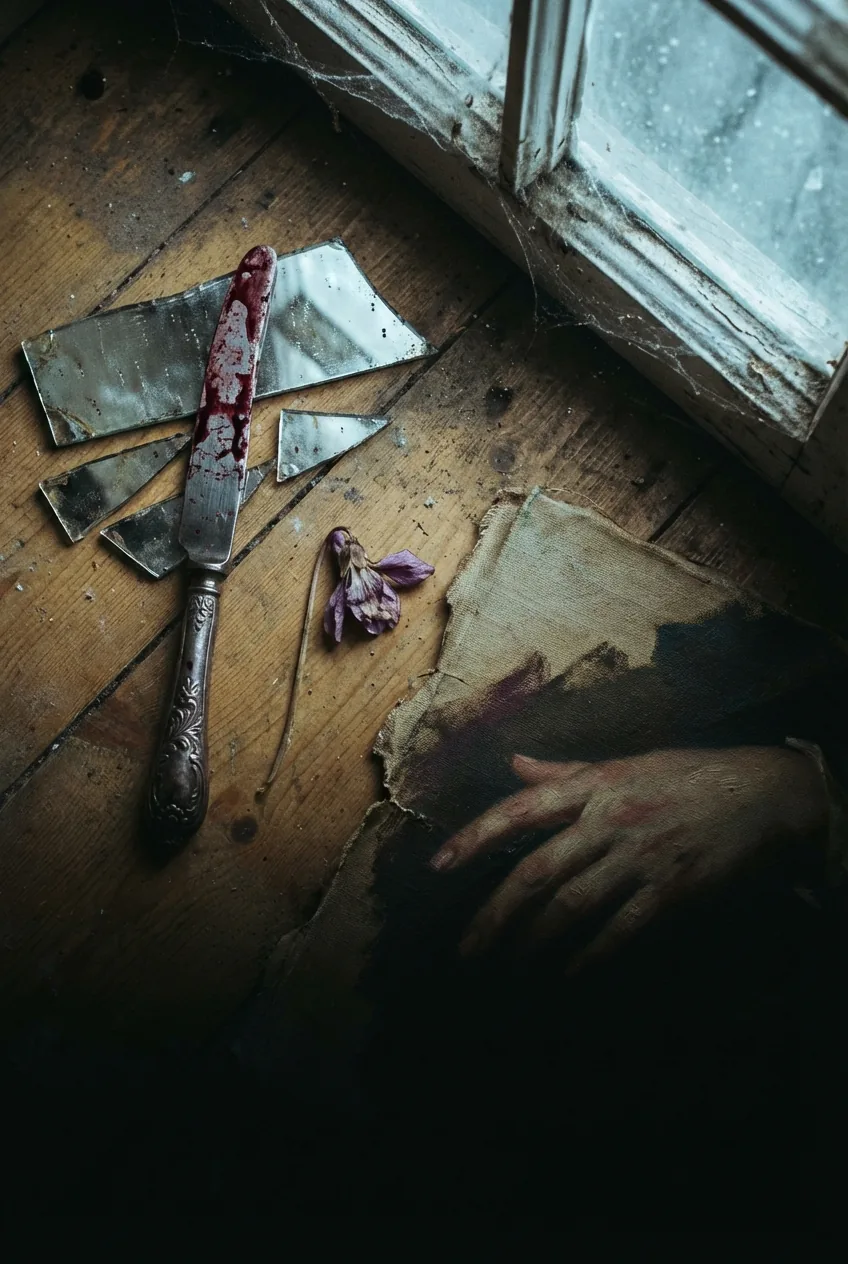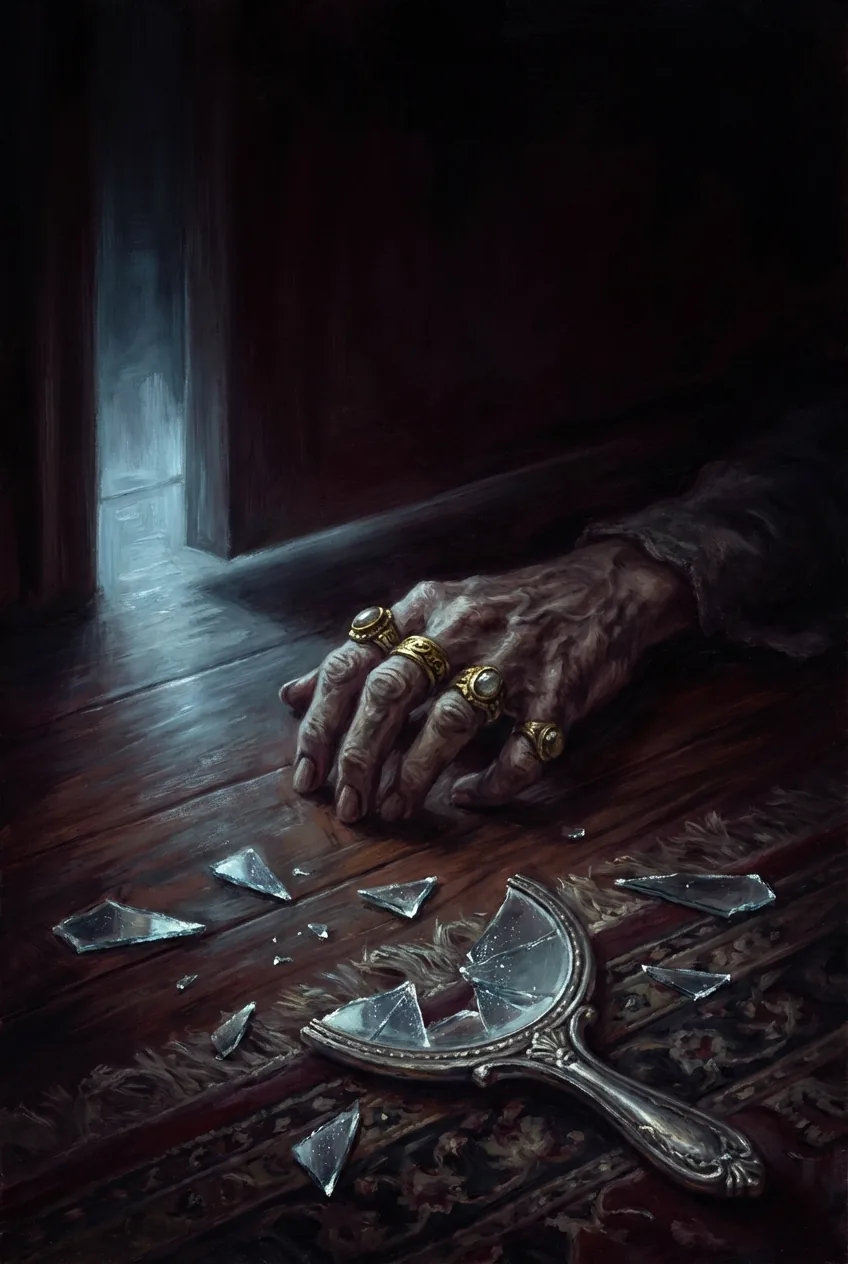
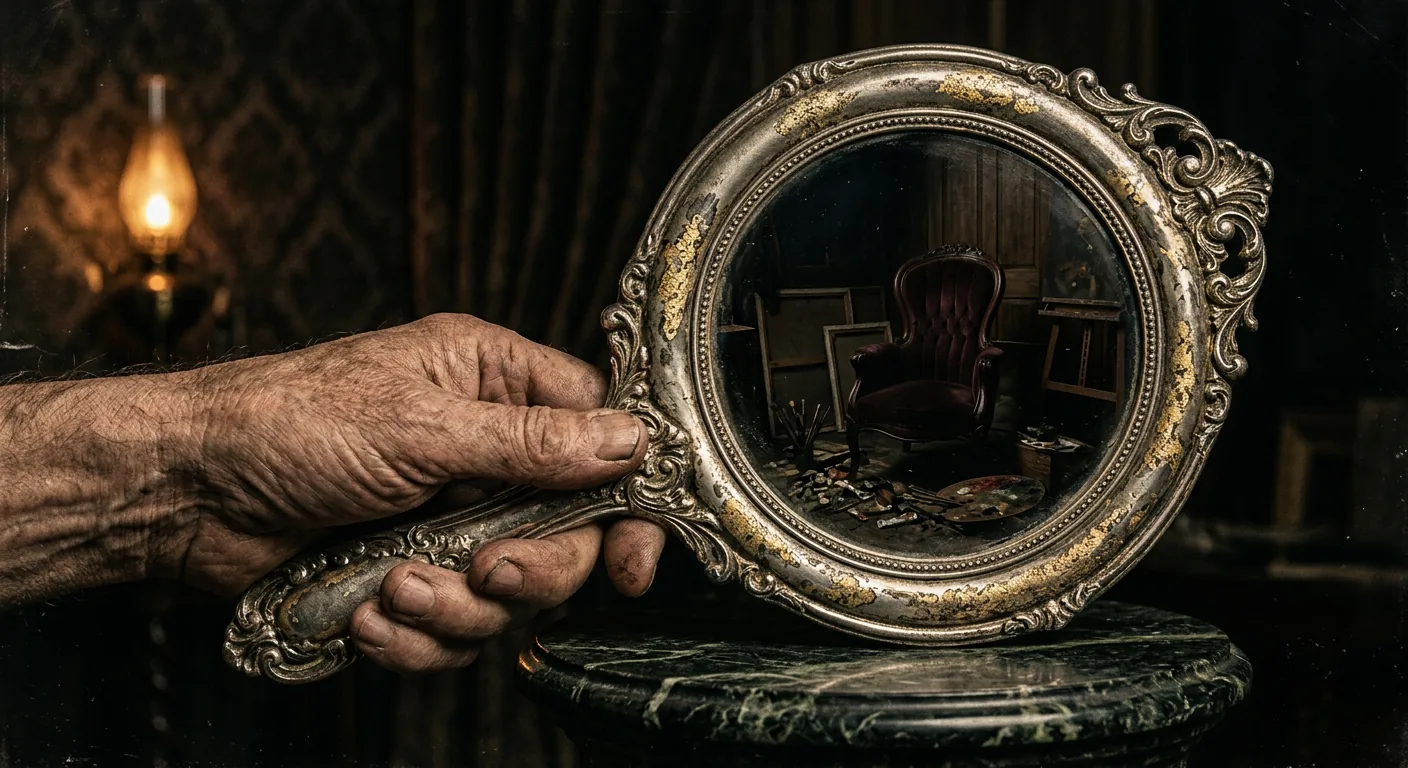
Art's Beautiful and Useless Truth
Before the curtain rises upon the story proper, the author steps forward to address his audience directly—not with the customary throat-clearing of Victorian preambles, but with a manifesto carved in marble and poison.
The artist, we are informed, exists as a creator of beautiful things, yet the supreme achievement of art lies in revelation through concealment—the work must shimmer forth while its maker retreats into shadow. As for the critic, that curious species who hovers about galleries and circulates through drawing rooms pronouncing judgments, he is merely a translator, rendering his impressions into some new dialect or medium. And here the first paradox strikes like a match: all criticism, from the most exalted to the most debased, is nothing more than autobiography in disguise.
The author proceeds to sort humanity into its essential categories with the precision of a botanist classifying orchids. Those unfortunate souls who discover ugliness lurking within beautiful things are pronounced corrupt—though not interestingly so, for they lack even the saving grace of charm. Those who perceive beauty within beauty constitute the cultivated, the elect, for whom aesthetic experience requires no moral translation. There exists hope for such refined creatures, whereas for the others there exists only vulgarity.
Then arrives the declaration that shall echo through every subsequent page: there is no such thing as a moral or immoral book. Books are simply well written or badly written. That is the whole of the matter, and the nineteenth century—that age of industrial earnestness and middle-class anxiety—is given its diagnosis. Its horror of realism springs from the spectacle of Caliban confronting his own brutish reflection; its equal horror of romanticism derives from Caliban's distress at finding himself absent from the glass entirely. Either way, the monster rages.
The artist, we learn, may take moral life as subject but answers only to the morality of craft—the perfect manipulation of imperfect instruments. The artist proves nothing, for even truths may be proved, and to traffic in proof is beneath aesthetic dignity. Ethical sympathy is dismissed as an unpardonable mannerism, morbidity an impossibility. Thought and language serve merely as tools; vice and virtue function merely as pigments upon the palette.
Art exists as surface and symbol simultaneously, and those who venture beneath either do so at considerable peril—for the spectator gazes into art and discovers not life, but himself reflected. When critics quarrel over a work, they announce only its vitality; when they agree, one suspects the work is already dead. A useful object may be forgiven provided its maker harbors no admiration for it, while a useless object justifies itself only through the intensity of its creator's devotion.
And so the preface concludes with its final, devastating epigram, crystalline and unanswerable: All art is quite useless.
With these principles established—beauty as its own justification, morality banished from the aesthetic realm, the artist absolved of all obligation save the pursuit of perfection—the stage is set for a tale that shall test every doctrine against the dangerous substance of lived experience.
The Seduction of a Beautiful Soul
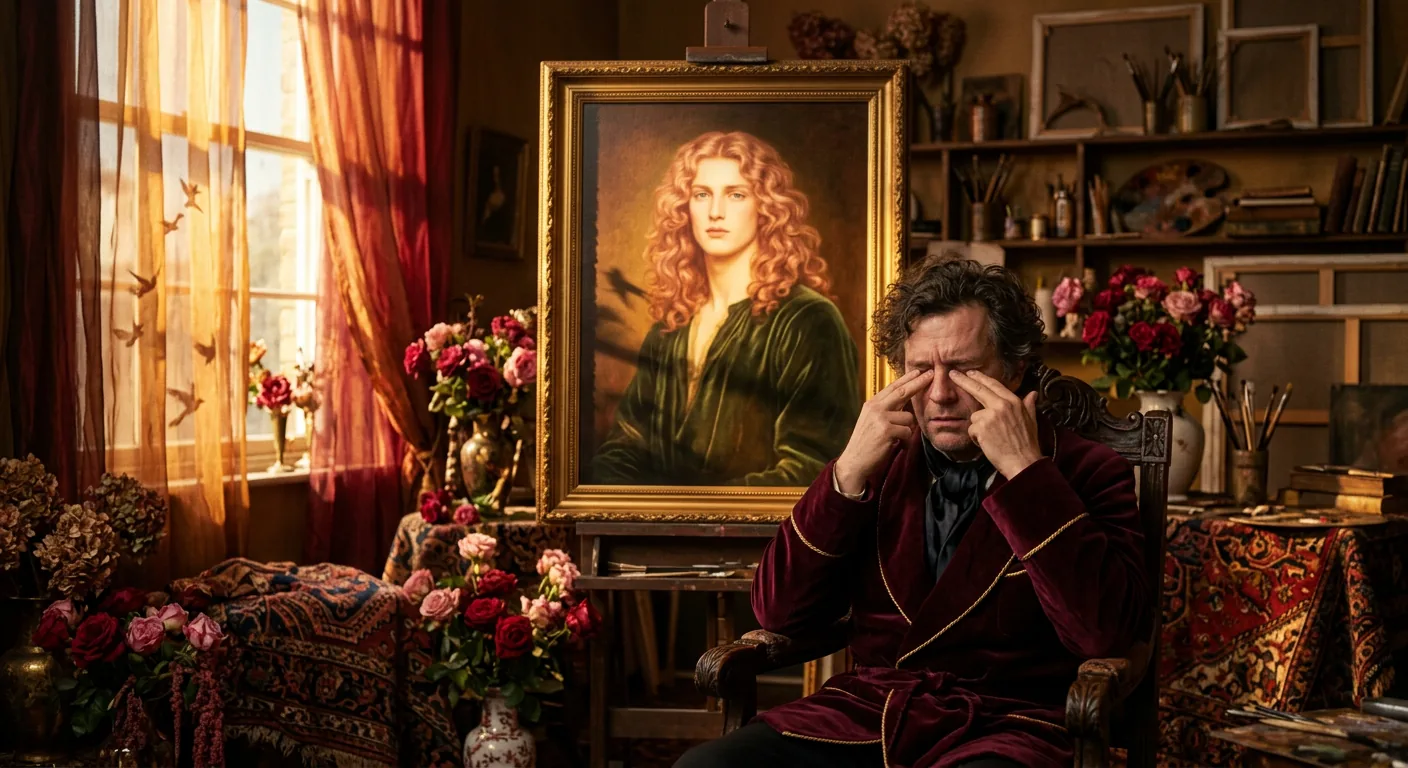
The studio lay heavy with fragrance—roses mingling with lilac and the pink-flowering thorn—while Lord Henry Wotton reclined upon a divan of Persian saddle-bags, wreathed in cigarette smoke, watching shadows of birds flit across the tussore-silk curtains like some transient Japanese painting. Outside, bees droned through unmown grass, and the distant murmur of London hummed beneath it all like an organ's bourdon note. At the room's centre stood a portrait of extraordinary beauty: a young man rendered in full length upon the canvas, before which the artist Basil Hallward sat transfixed, his pleasure giving way to something like fear as he pressed his fingers to his closed eyes, as though to imprison a dream he dared not lose.
Lord Henry pronounced it Basil's finest work, yet the painter refused to exhibit it—not at the Academy, not at the Grosvenor, not anywhere. He had put too much of himself into the thing, he confessed, though Harry dismissed such sentiment as vanity. The subject bore no resemblance to Basil whatsoever; this ivory-and-rose-leaf Adonis, this Narcissus in oils, possessed a beauty that transcended intellect, which Lord Henry declared the enemy of harmony in any face. The painter's reluctance only deepened Harry's curiosity, and at last the name escaped: Dorian Gray.
The revelation prompted Basil to speak of secrecy as the sole remaining romance in modern life, while Harry countered with sardonic observations on marriage as institutionalized deception. They wandered into the garden, settling beneath a laurel bush where sunlight polished the leaves and daisies trembled in the grass, and there Lord Henry pressed his friend for the truth behind his reticence.
What Basil confessed was nothing less than artistic obsession made manifest. He had encountered Dorian Gray two months prior at Lady Brandon's crush, and the moment their eyes met, terror seized him—the recognition that this personality might absorb his entire nature, his very soul, his art itself. Despite attempting flight, fate intervened in the form of their hostess, who introduced them with characteristic absurdity. From that evening forward, Dorian became indispensable: not merely model or sitter, but muse, catalyst, the living embodiment of a new artistic epoch. In Dorian's presence, Basil had discovered what the invention of oil-painting meant to the Venetians, what the face of Antinous meant to Greek sculpture—a harmony of soul and body that his generation had lost.
Yet this very idolatry was precisely what the portrait betrayed. The canvas revealed the secret of Basil's soul, and he would not bare that heart to the shallow scrutiny of the world. Harry dismissed such scruples as the excess of painters; poets, after all, published their passions profitably. But Basil remained steadfast: the world should never see his portrait of Dorian Gray.
Their discourse turned to the nature of the attachment itself—Basil admitted that Dorian sometimes treated his devotion carelessly, like an ornament for a summer's day—before Harry recalled where he had heard the name: from his aunt, Lady Agatha, who had described a serious young philanthropist destined for East End charity work. Basil's alarm at this connection proved well-founded, for scarcely had he begged Harry not to spoil or influence his friend when the butler appeared with an announcement that would change everything: Mr. Dorian Gray had arrived and was waiting in the studio.
The rest is waiting.
58 illustrated classics. Cinematic, anime, and kids editions. $4.99 a month — about the price of a coffee.
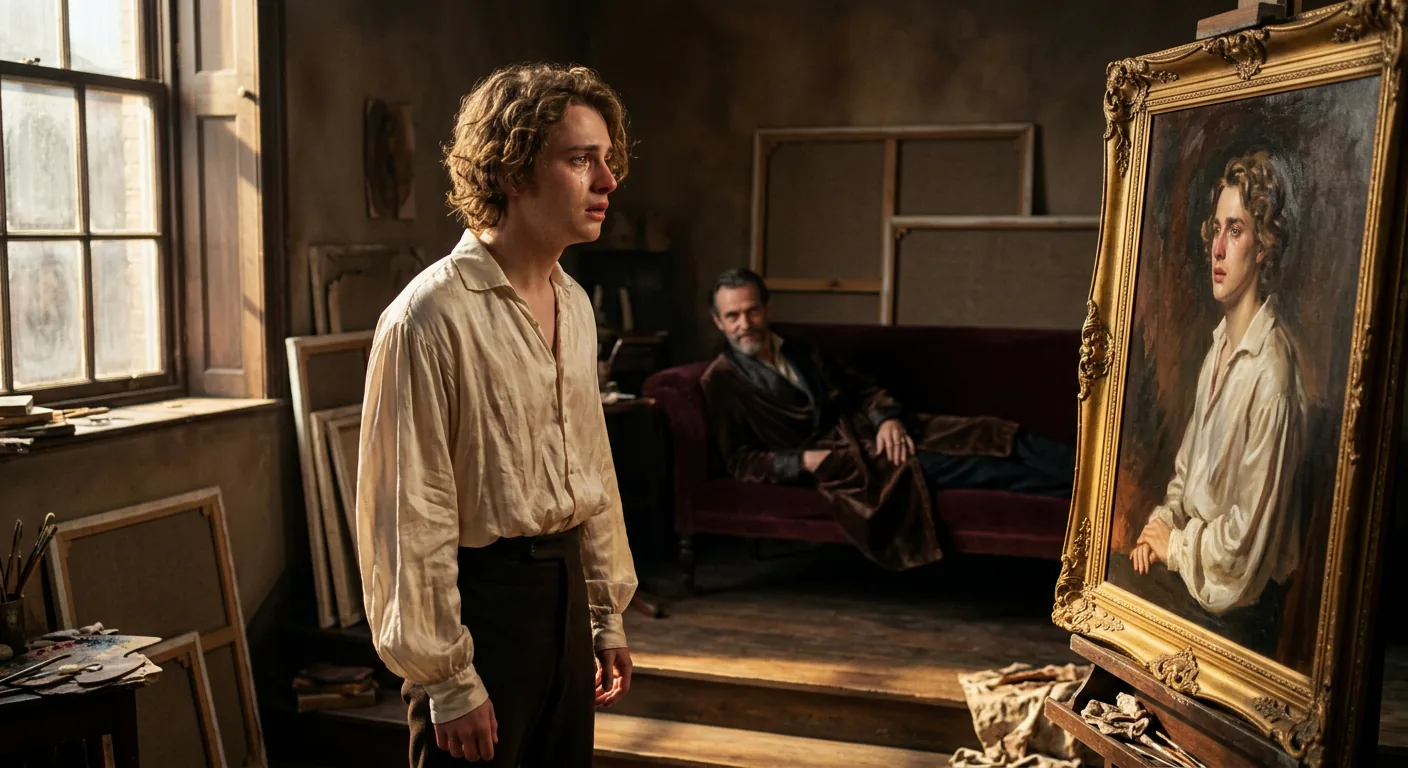
Lord Henry's Dangerous Philosophy Unveiled
Subscribe to read this chapter.
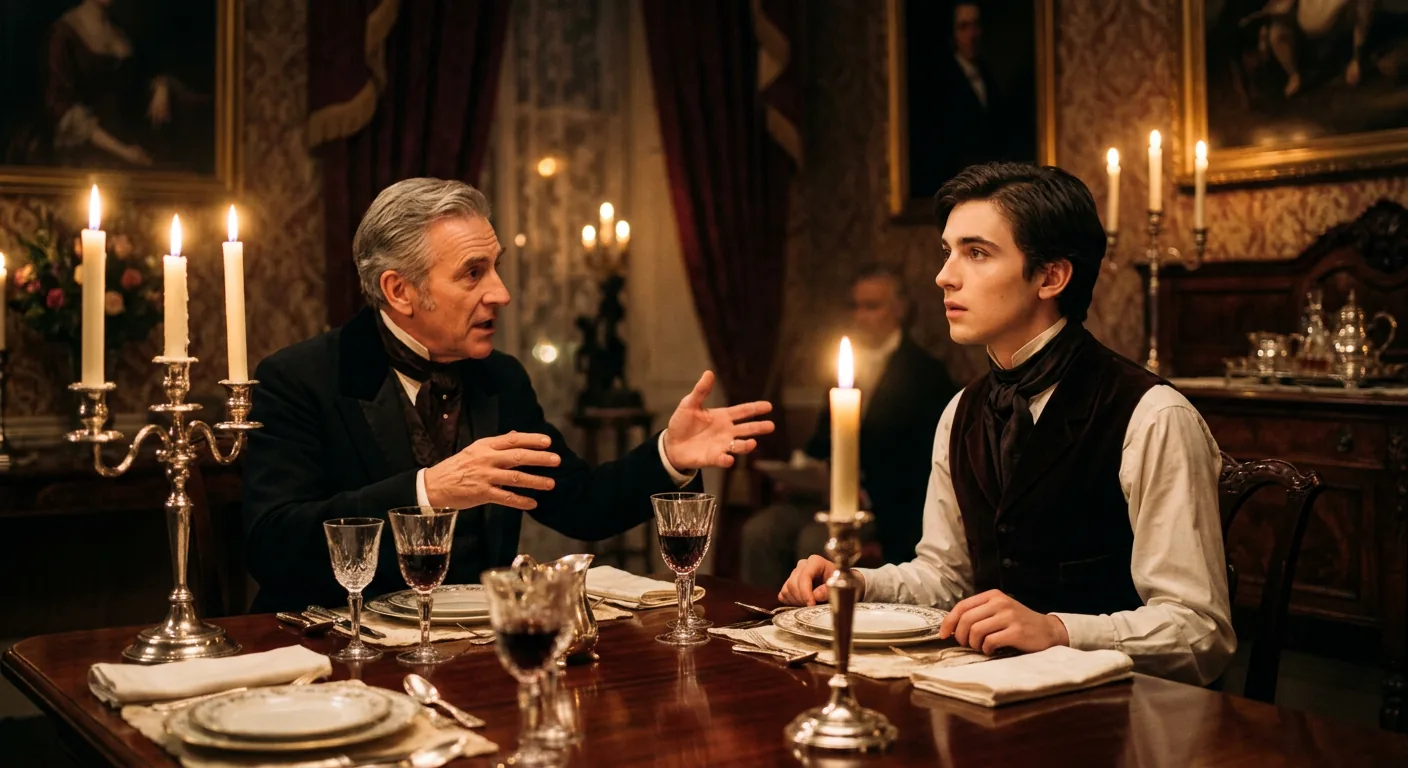
A Lineage of Beauty and Tragedy
Subscribe to read this chapter.
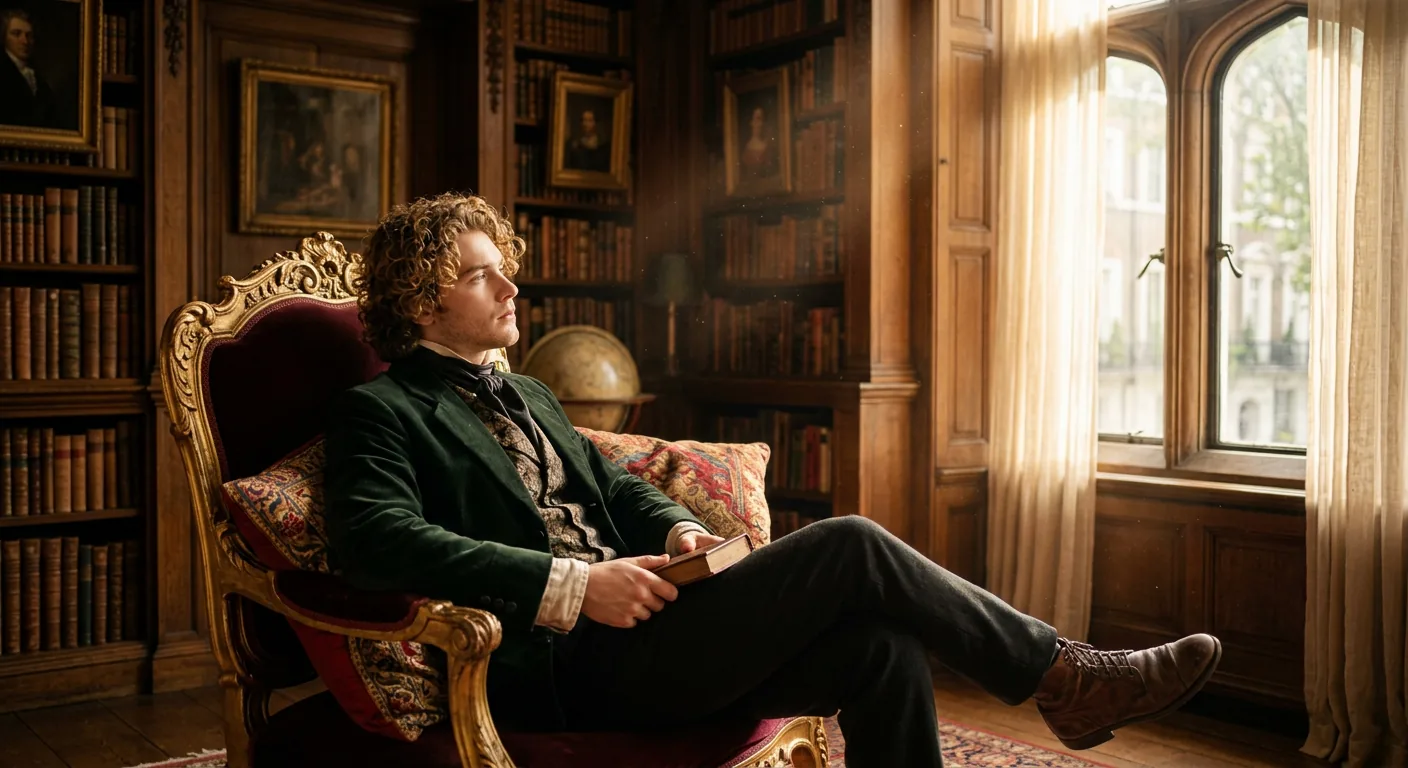
Sibyl Vane and the Theatre of Love
Subscribe to read this chapter.
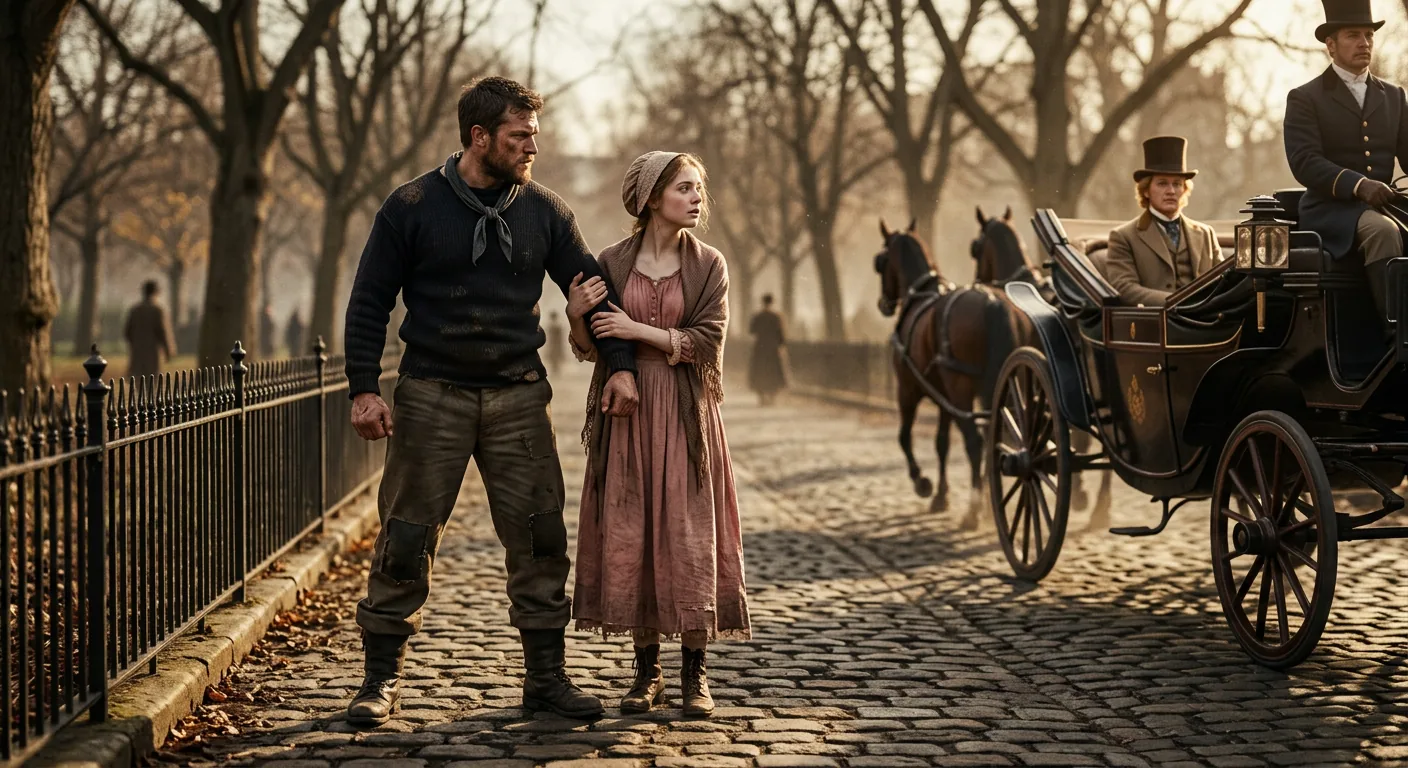
A Sister's Dangerous Prince Charming
Subscribe to read this chapter.
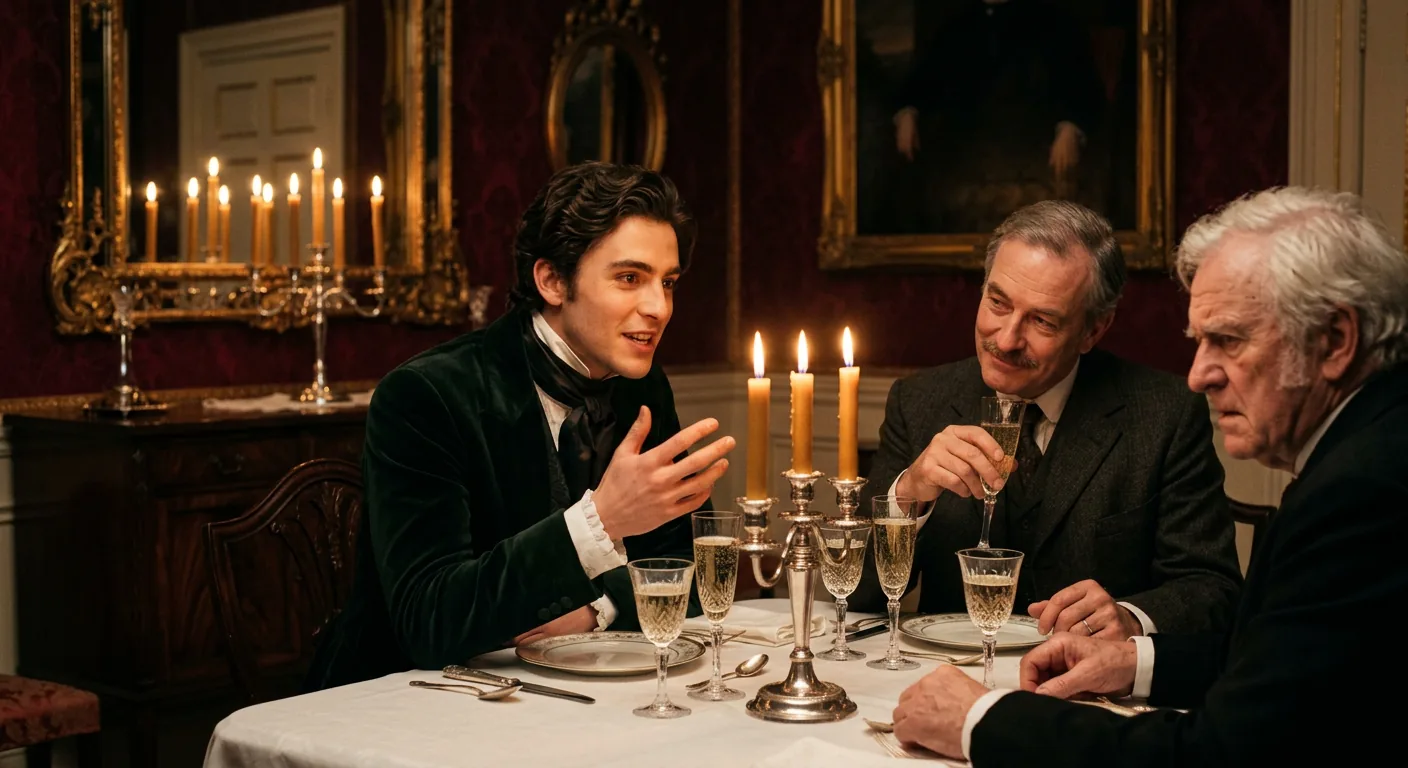
Love's Sudden and Foolish Blossoming
Subscribe to read this chapter.
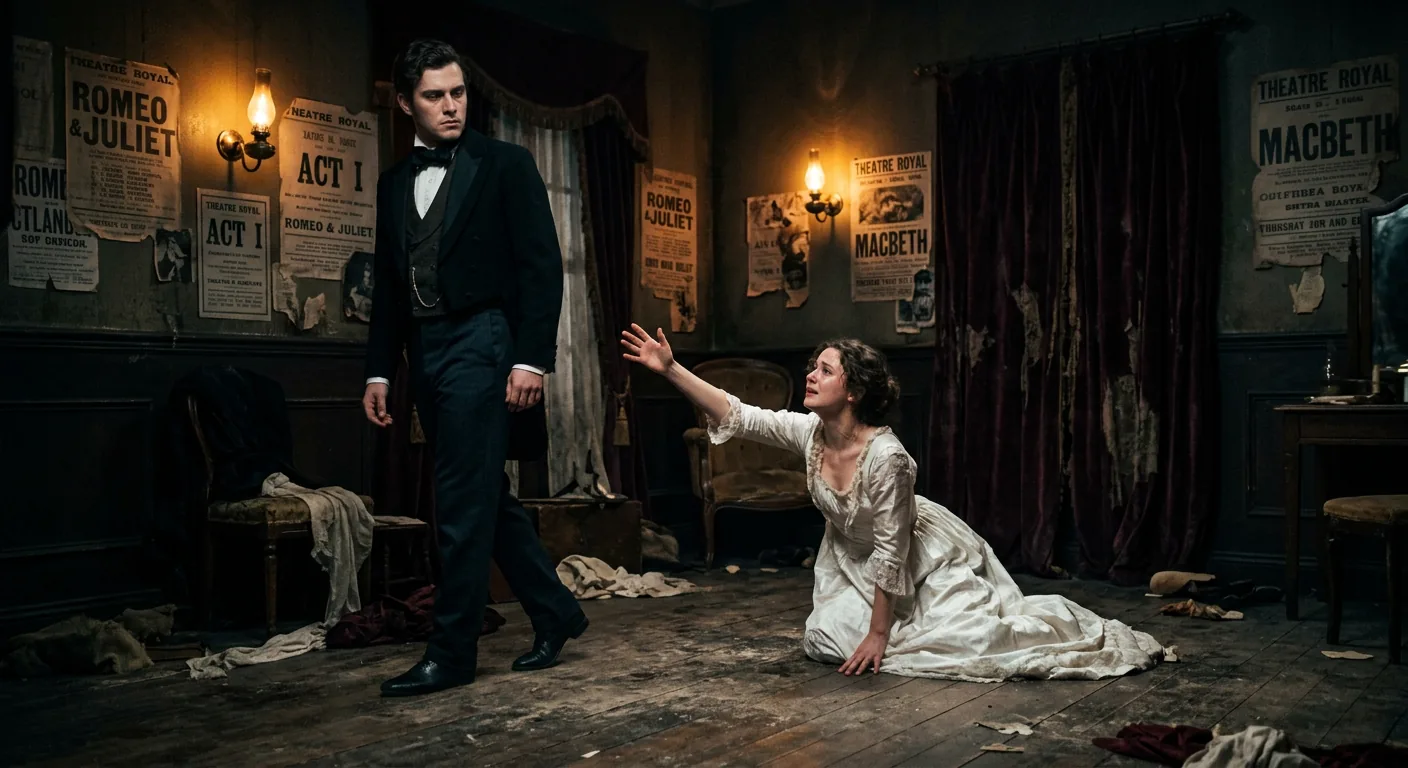
The Night Sibyl Vane's Art Died
Subscribe to read this chapter.
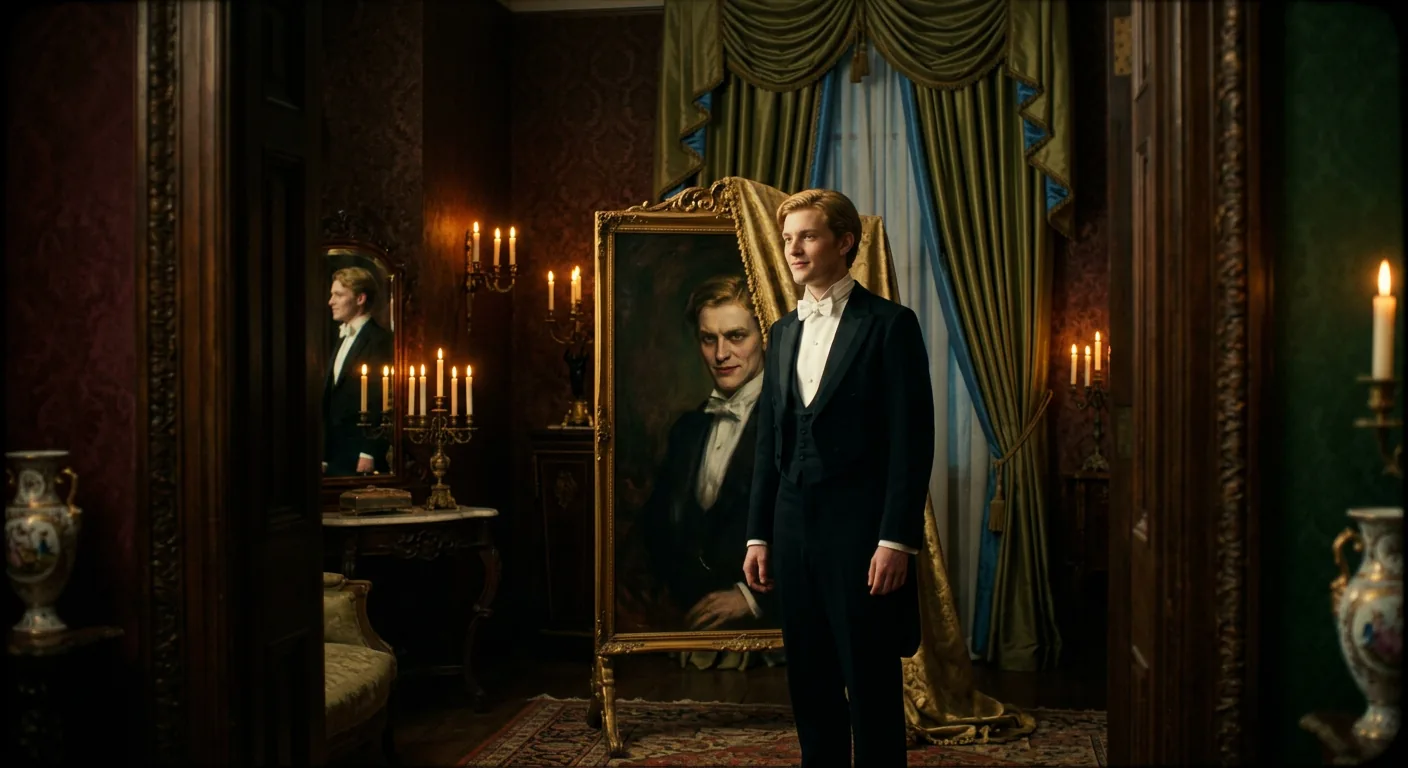
The Portrait's First Terrible Truth
Subscribe to read this chapter.
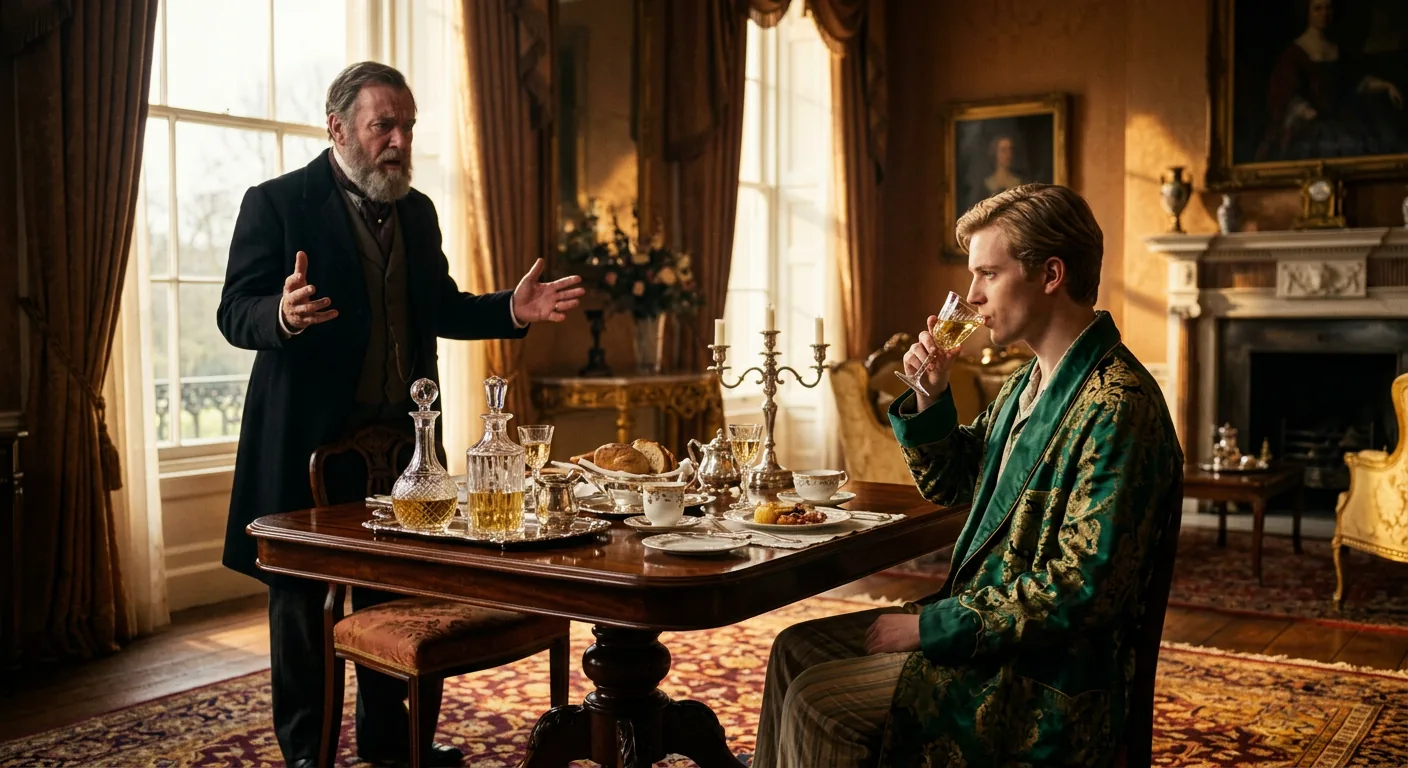
The Art of Unfeeling
Subscribe to read this chapter.
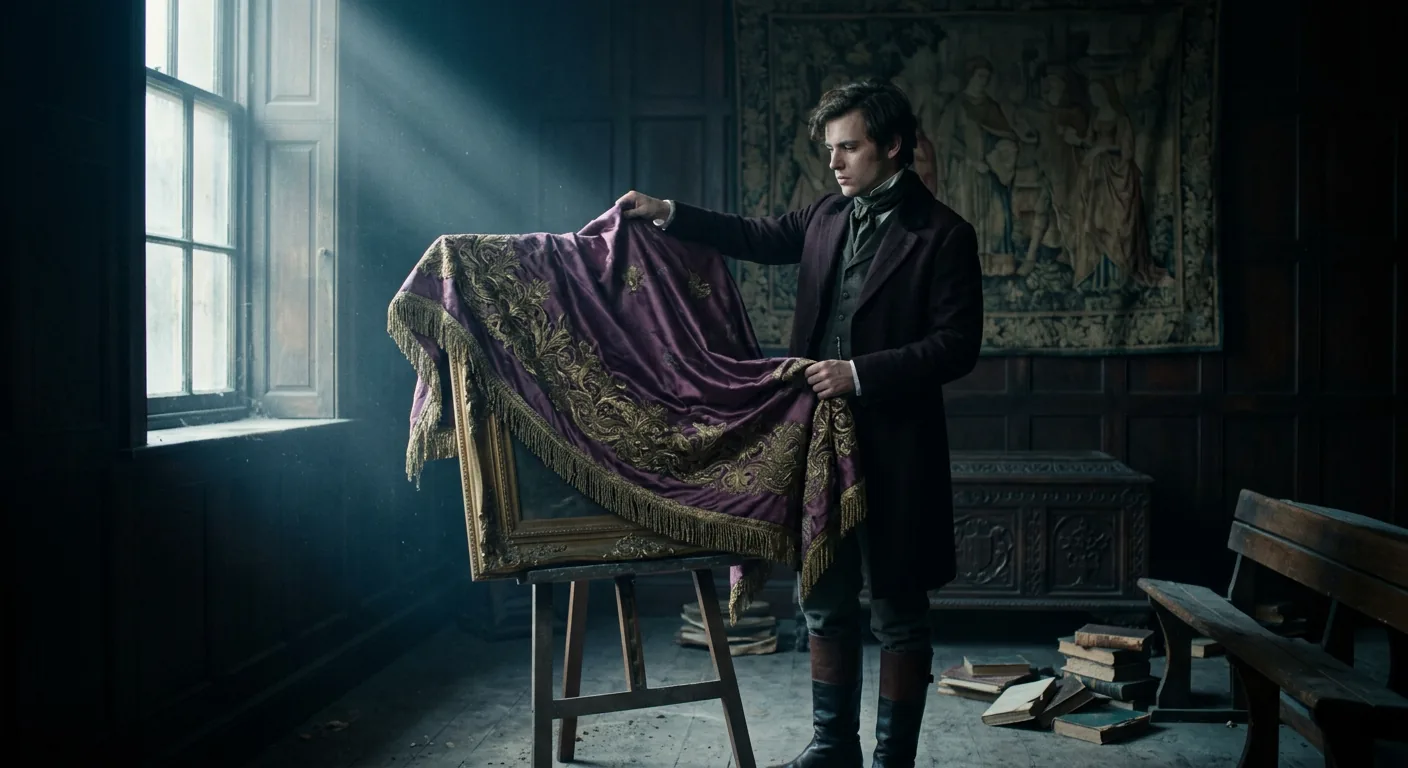
The Schoolroom's Secret Burden
Subscribe to read this chapter.
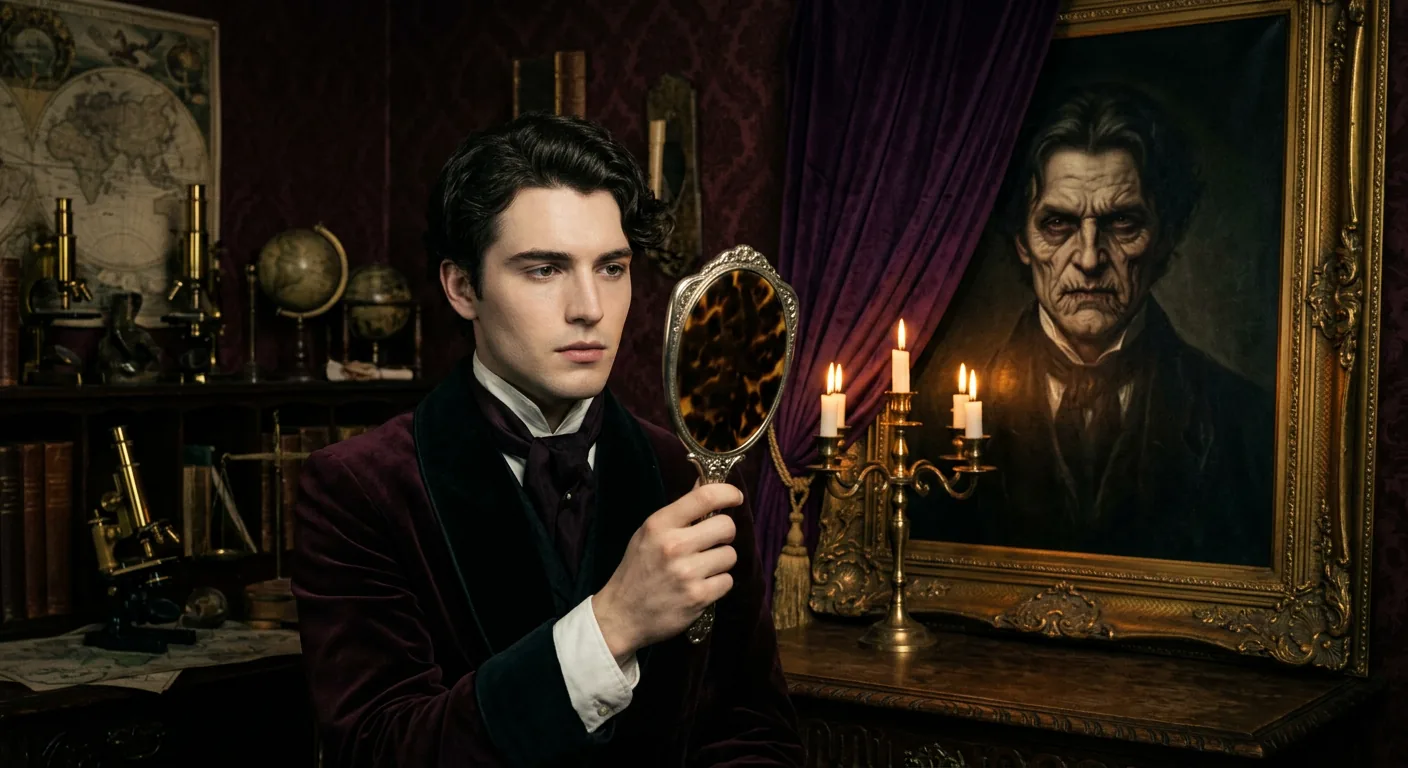
The Mirror and the Monster Within
Subscribe to read this chapter.
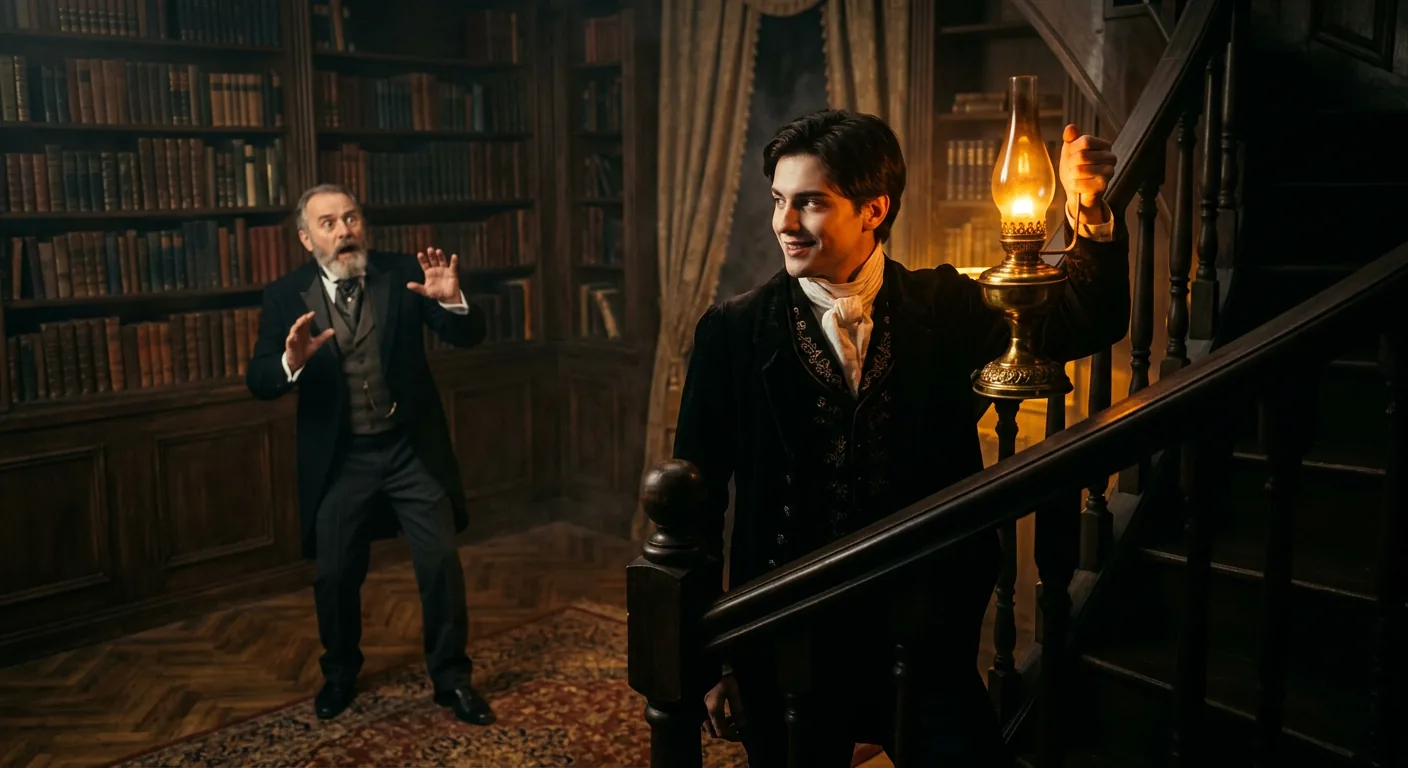
A Foggy Night's Fatal Reckoning
Subscribe to read this chapter.
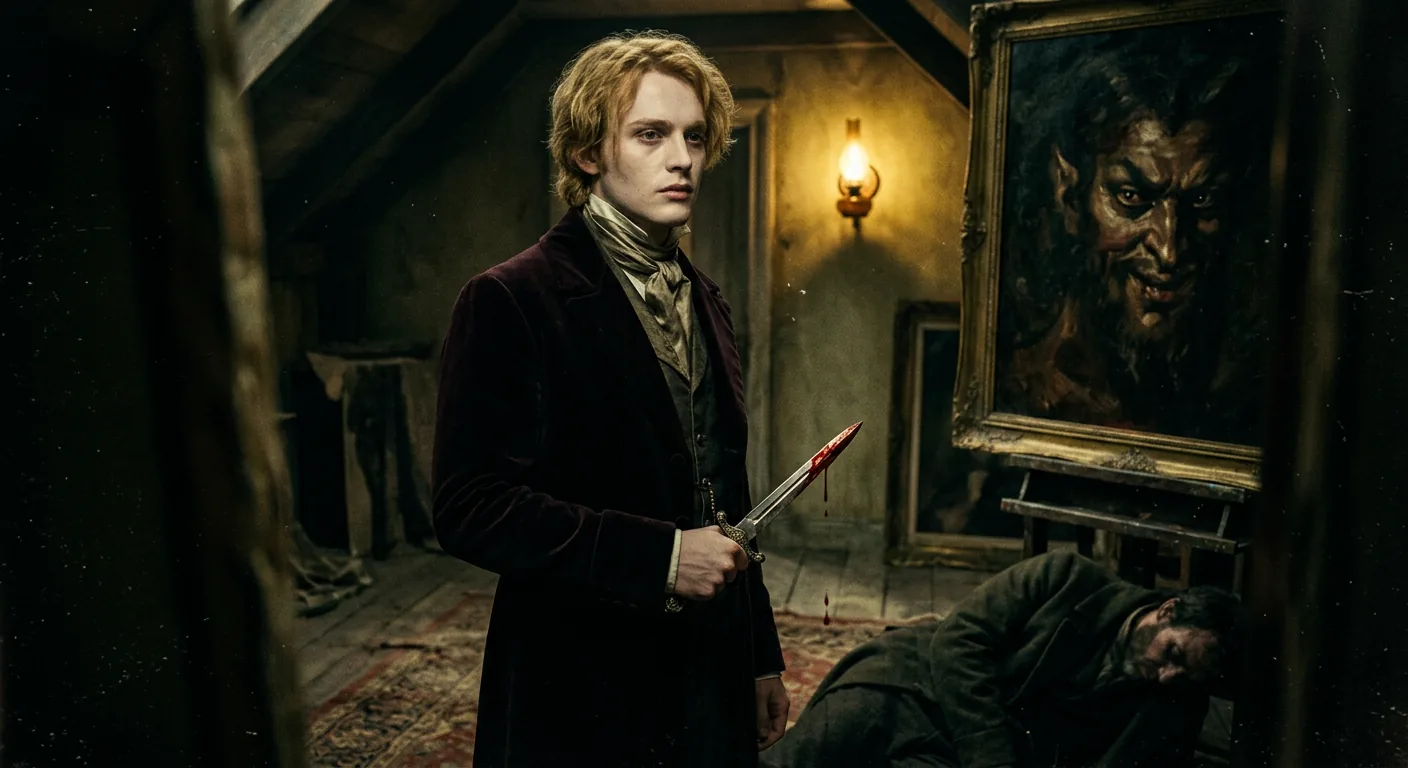
The Soul Revealed in Canvas
Subscribe to read this chapter.
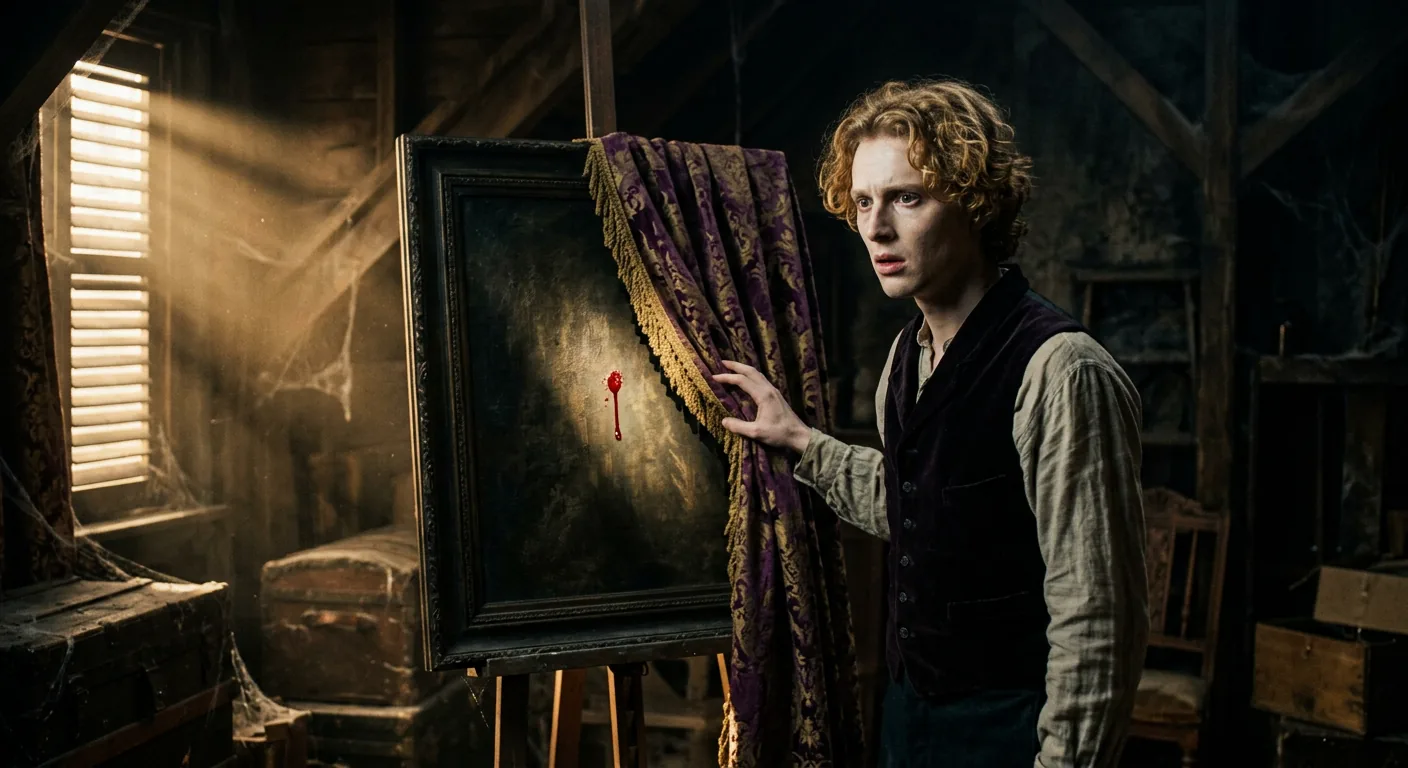
Sunlight on Blood-Stained Memory
Subscribe to read this chapter.
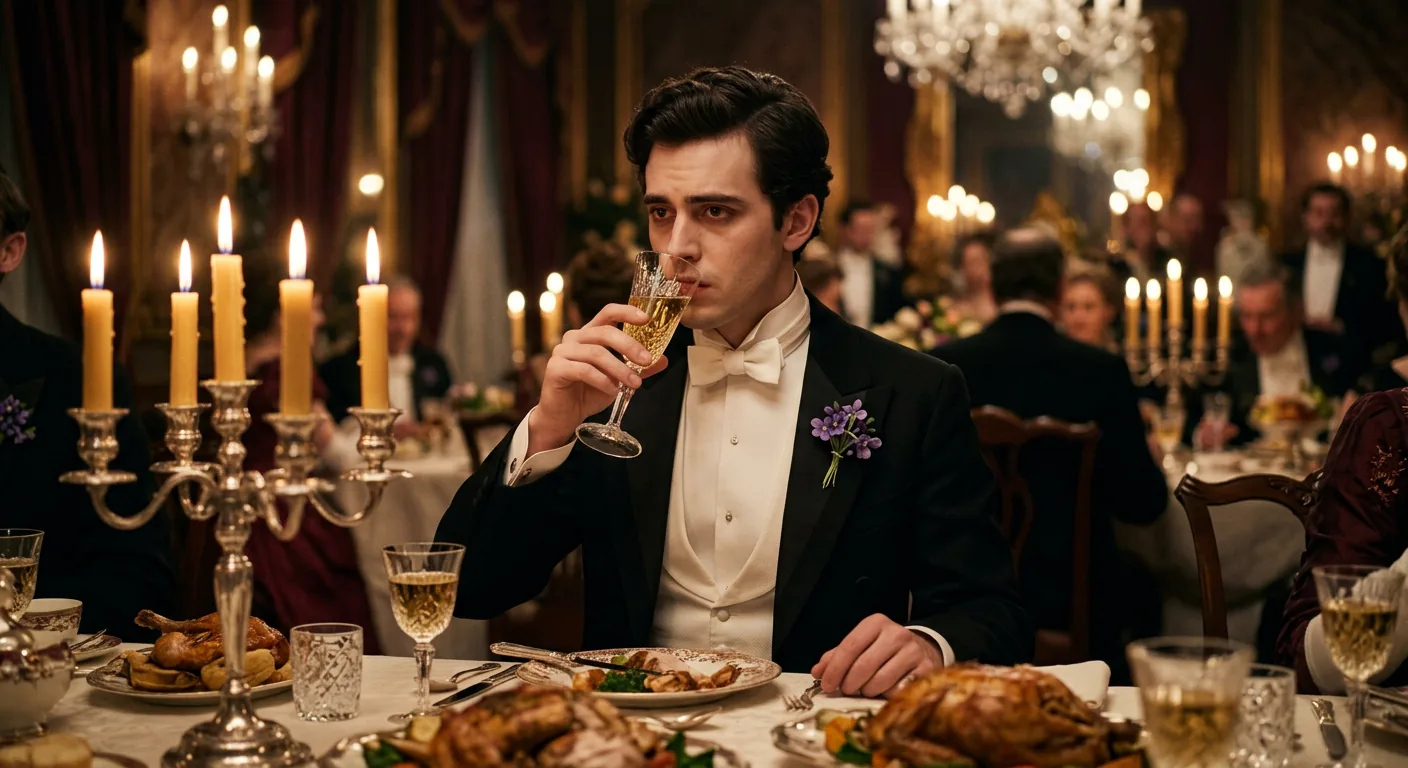
A Mask of Grace and Guilt
Subscribe to read this chapter.
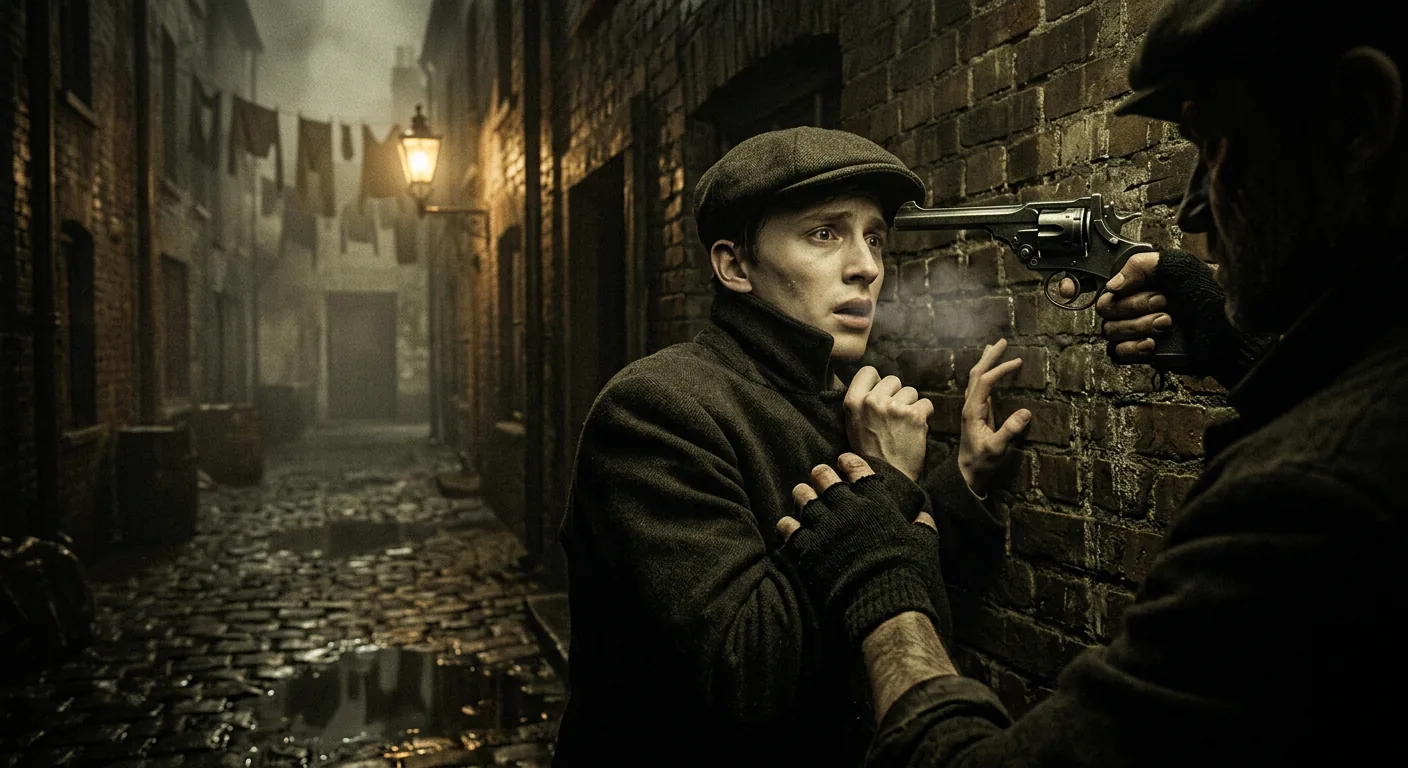
The Desperate Search for Oblivion
Subscribe to read this chapter.
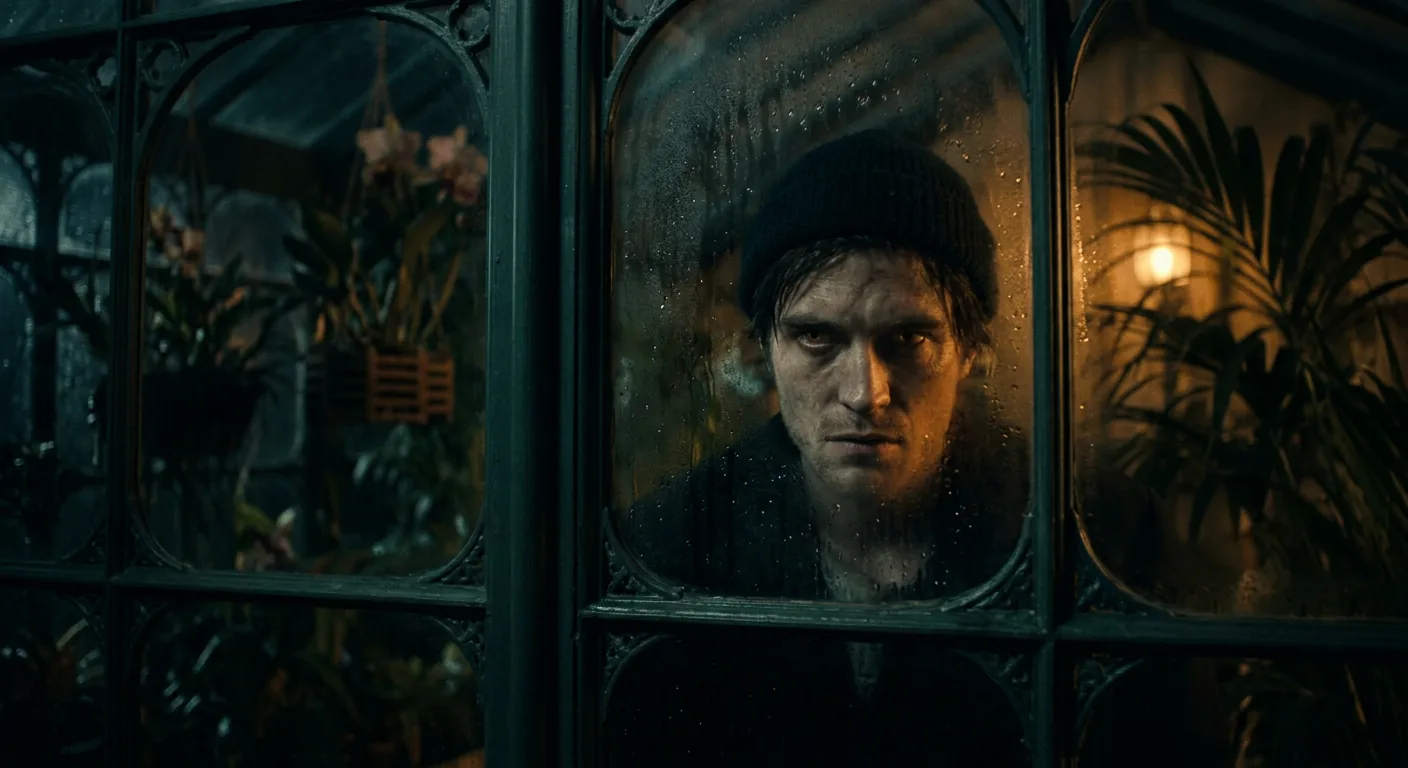
Paradox and Wit at Tea
Subscribe to read this chapter.
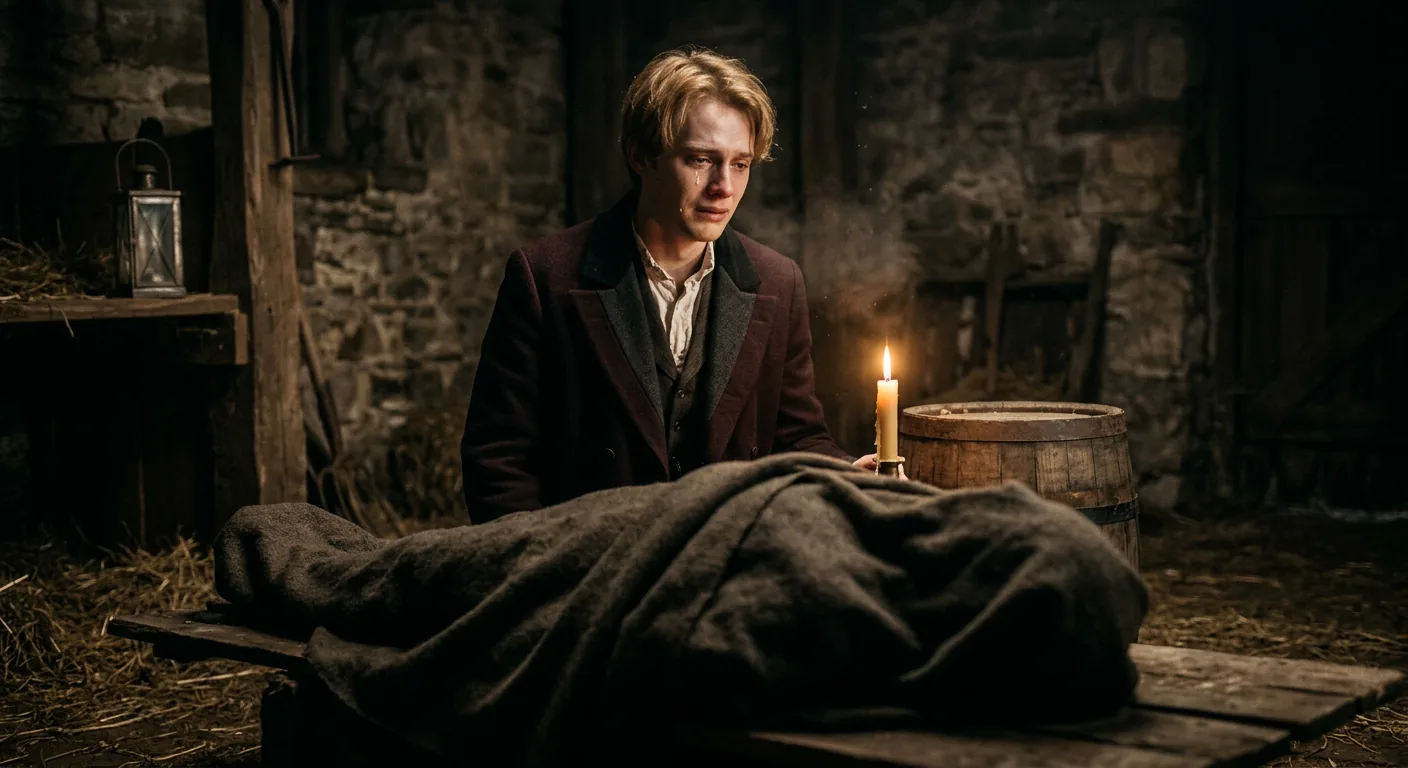
Shadows of Conscience and Fatal Chance
Subscribe to read this chapter.
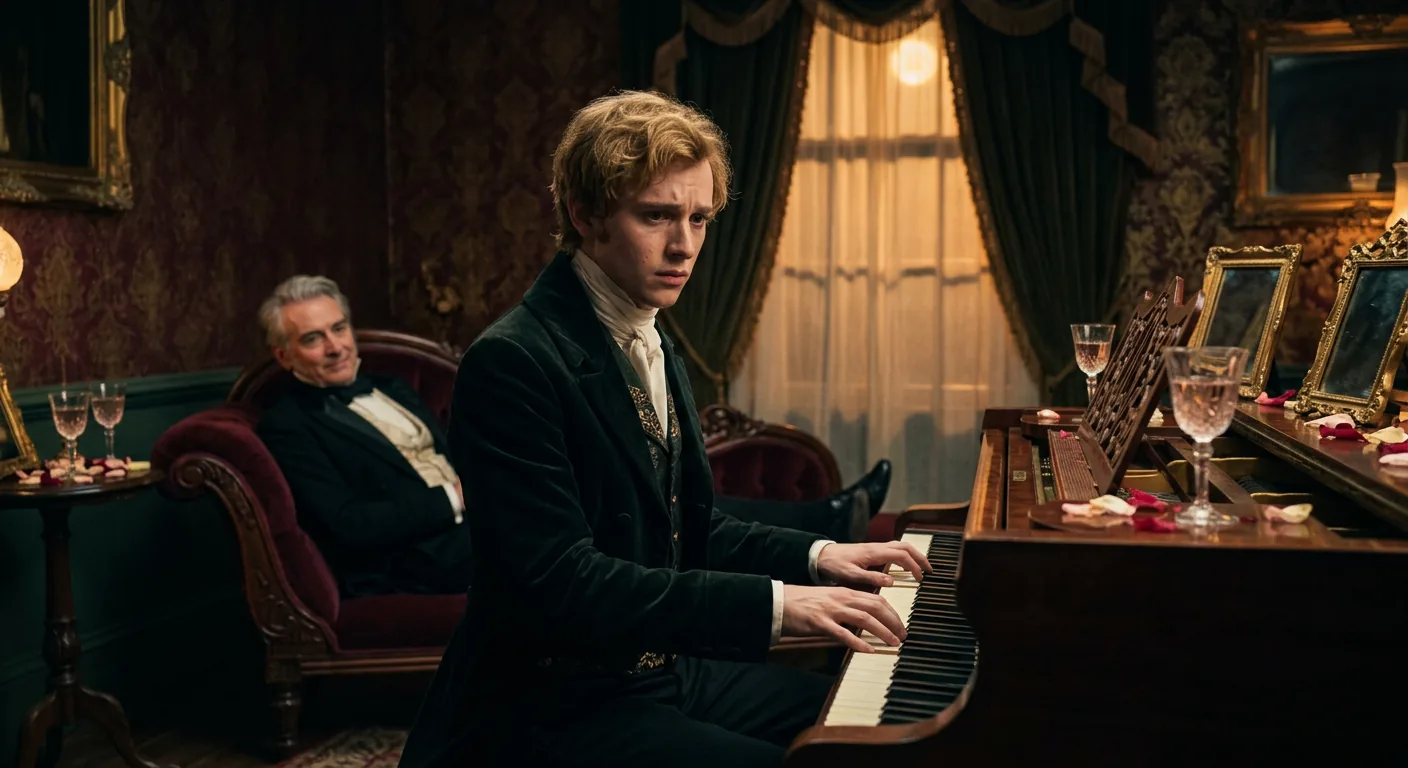
The Final Mask Shatters
Subscribe to read this chapter.
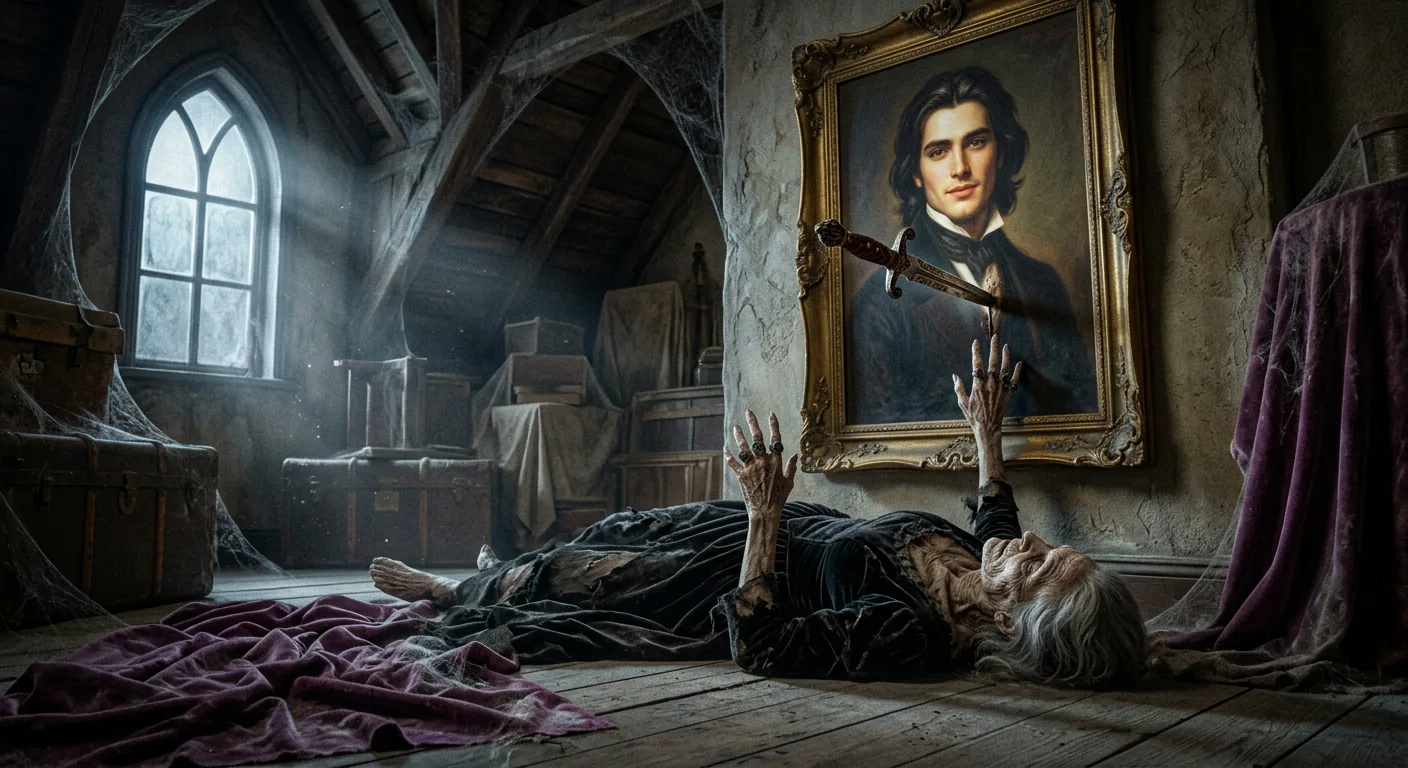
The Soul's Final Reckoning
Subscribe to read this chapter.