Dreams of Eternal Light and Glory
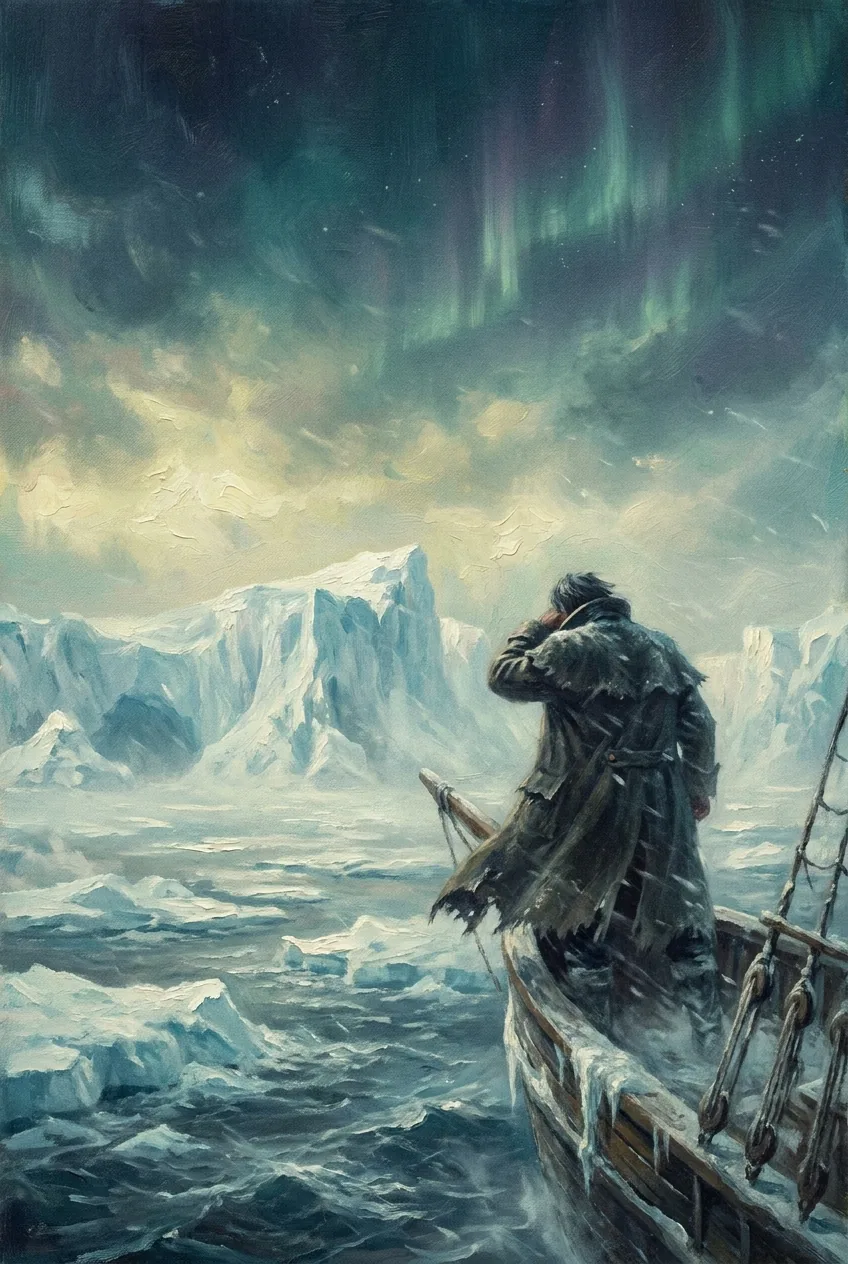
From the frost-touched streets of St. Petersburgh to the ice-bound waters of the Arctic, Robert Walton pours forth his soul in letters to his beloved sister Margaret, chronicling the commencement of an enterprise that has consumed his imagination since boyhood. With a heart swelling with Romantic fervour, he writes of the northern breeze that braces his nerves and fills him with visions of that region of perpetual light—the pole, which he refuses to conceive as a seat of desolation, but rather as a land surpassing in wonders every territory yet known to man. His dreams are magnificent: to discover the secret power that attracts the needle, to tread upon earth never before imprinted by human foot, and to confer upon all mankind the inestimable benefit of a northern passage.
Yet even as Walton confesses his ardent hopes, the shadow of isolation falls across his pages. Having prepared himself through years of privation among whale-fishers, having hardened his body to cold and want, he finds himself possessed of resolution but wanting in companionship. In Archangel, where he assembles his crew, he laments most bitterly the absence of a friend—one whose cultivated mind and sympathetic nature might approve or amend his plans, might temper his impatience and regulate the romantic excesses of his self-educated soul. He speaks with admiration of his lieutenant's courage and his master's noble disposition, recounting the latter's tale of selfless love with evident feeling, yet these worthy men cannot fill the void that aches within him.
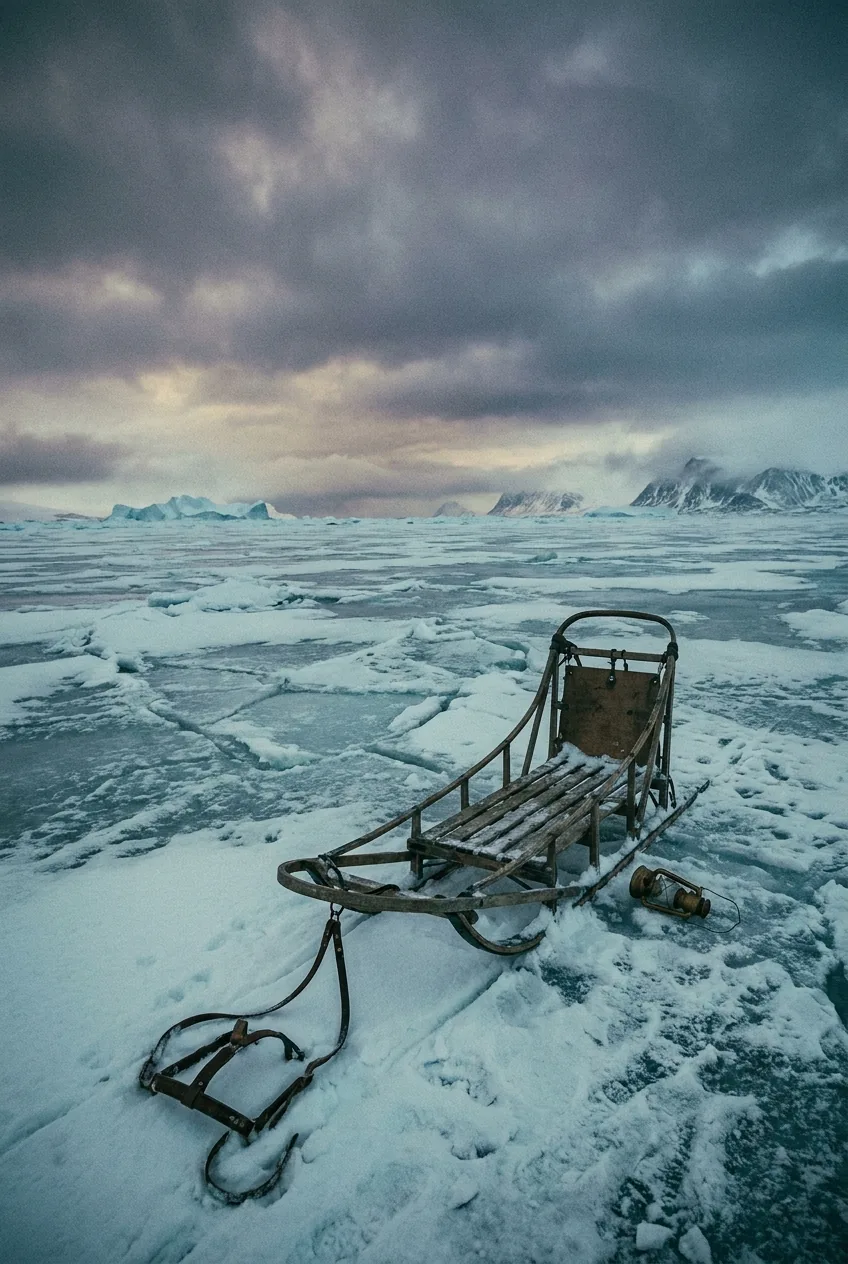
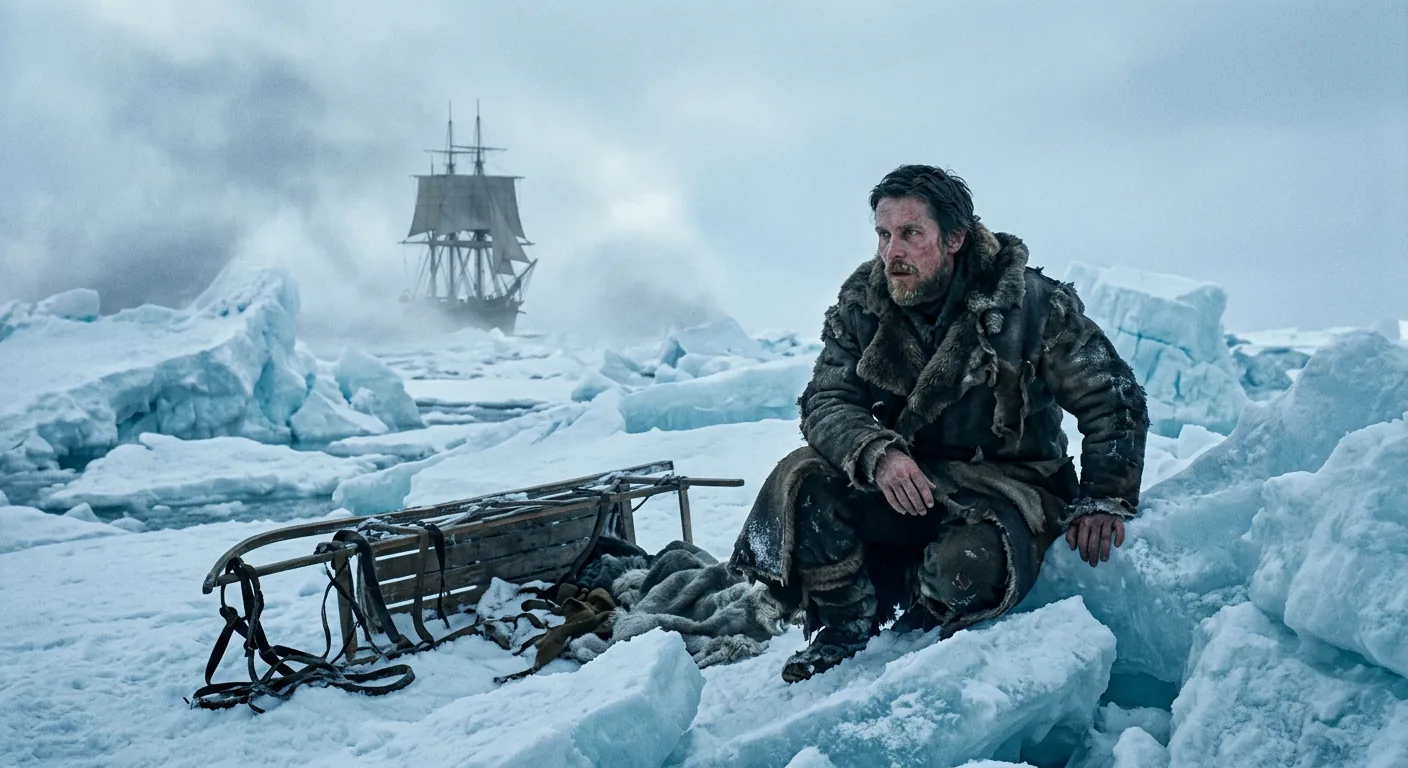
By July, Walton's vessel has penetrated far into northern latitudes, where floating sheets of ice pass like spectral warnings of dangers ahead. Then, upon the fifth of August, so strange an accident befalls them that Walton cannot forbear recording it: through the clearing mist, the crew beholds a gigantic figure upon a dog-drawn sledge, racing northward across the ice—an apparition that excites their unqualified wonder. The following morning brings an even more extraordinary discovery: another sledge, drifted towards them upon a fragment of ice, bearing within it a European stranger, wretched beyond description, his limbs frozen and his frame dreadfully emaciated. This man, before consenting to board the vessel, makes one peculiar inquiry—he must know whither they are bound.
As the stranger slowly recovers under Walton's tender ministrations, a strange intimacy blossoms between them. The man's eyes betray wildness and even madness, yet moments of kindness illuminate his countenance with a beam of benevolence that Walton has never witnessed equalled. He is melancholy, despairing, pursuing across the ice one whom he calls a dæmon. When Walton speaks of his own ambitious designs—his willingness to sacrifice fortune, existence, and every hope to his enterprise—the stranger's face darkens with terrible recognition, and through his tears he cries out: "Unhappy man! Do you share my madness? Have you drunk also of the intoxicating draught?"
In this broken wanderer, Walton perceives at last the friend he has so long desired—a man of cultivated mind, eloquent speech, and profound sensibility, who responds to the beauties of nature even in his wretchedness. The stranger, moved by Walton's sympathy and alarmed by the parallel course of their ambitions, determines to relate his history as a warning. He promises a tale of marvellous and unparalleled misfortunes, hoping that from his disasters Walton may deduce an apt moral before it is too late.
Thus, with the stranger's full-toned voice swelling in his ears and those melancholy lustrous eyes dwelling upon him, Walton prepares to transcribe a history that he knows must be strange and harrowing—the story of the storm that wrecked so gallant a vessel upon its fatal course.
A Family Forged in Grief and Devotion
I am by birth a Genevese, and from the outset I must impress upon the reader the nature of my lineage, for it illuminates all that followed in my singular existence. My father, a man of unimpeachable integrity who had devoted his younger years to the public affairs of our republic, came late to matrimony—and the circumstances of his union with my mother reveal the very essence of his character, that rare mingling of steadfast loyalty and tender benevolence which shaped the sanctuary of my earliest years.
There lived a merchant named Beaufort, my father's most intimate friend, who through the cruel vicissitudes of fortune fell from prosperity into utter destitution. Pride—that false and unbending pride which so often proves the architect of deeper misery—compelled Beaufort to conceal himself in the mean streets of Lucerne, where he languished in obscurity with his daughter Caroline. My father, grieved beyond measure by his friend's retreat, searched for ten months until he discovered the wretched abode, only to find Beaufort upon his sickbed, consumed by that peculiar grief which feeds upon idleness and reflection. Caroline, possessed of an uncommon fortitude, had sustained them both through plain work and plaited straw, earning a pittance scarcely sufficient for survival. Yet despite her courage, the end proved inevitable; in the tenth month of their exile, Beaufort expired in her arms, leaving her orphan and beggar both.
My father entered that chamber of death like a protecting spirit, and Caroline committed herself to his care with the trust of one who has known the depths of despair. Two years hence, she became his wife—and though considerable years separated them, this disparity served only to deepen their devoted affection. There was reverence in my father's attachment, a desire to recompense her for sorrows endured, and he sheltered her as a fair exotic is sheltered by the gardener from every rougher wind. They sought the pleasant climate of Italy for her restoration, and there at Naples I was born, their eldest child, accompanying them through those lands of wonders during my infant years.
I was their plaything and their idol—and something better still—their child, the innocent creature bestowed by Heaven whose future happiness lay entirely within their tender hands. With what deep consciousness they fulfilled their sacred duties! Every hour brought lessons of patience, charity, and self-control, yet so gently administered that all seemed but one continuous train of enjoyment.
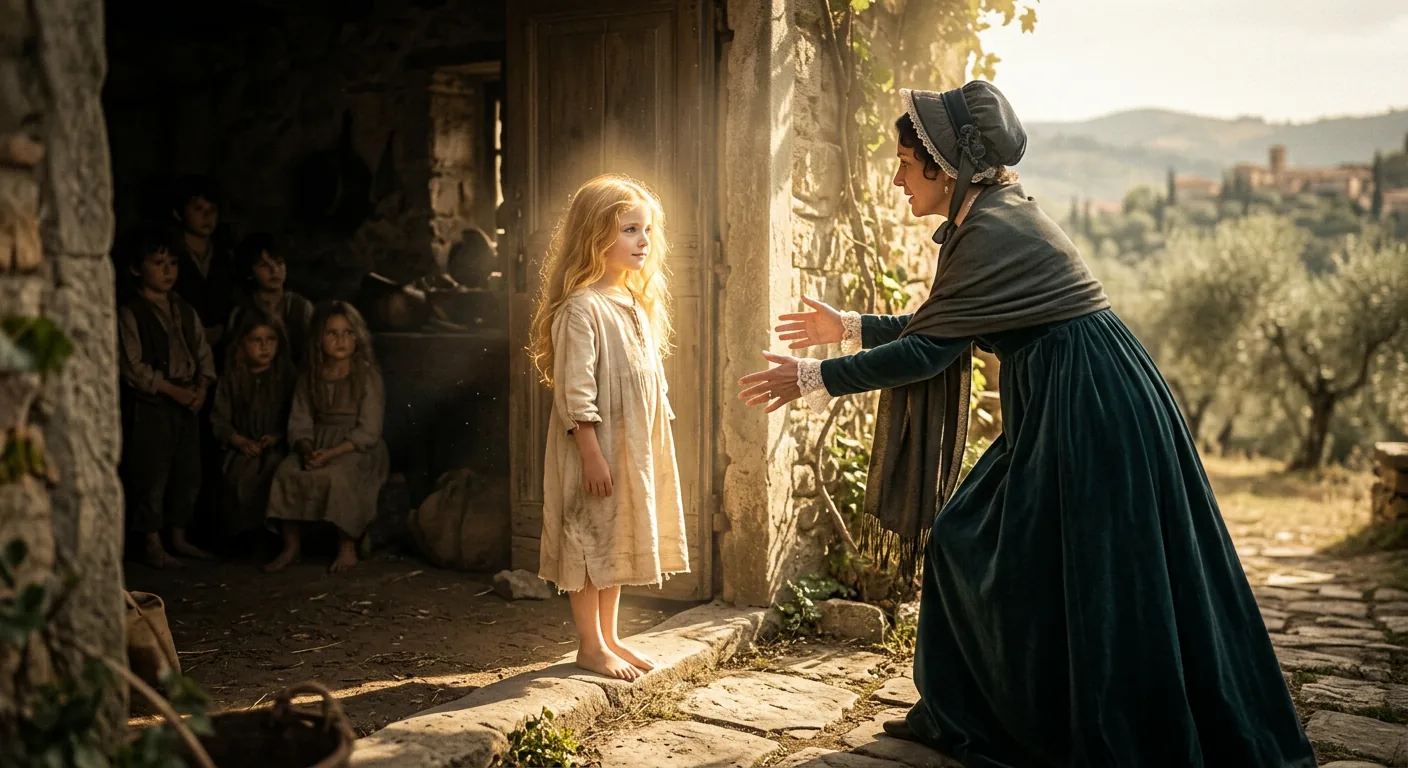
When I had reached five years of age, during an excursion to the shores of Lake Como, my mother's benevolent disposition—born of remembrance of her own suffering and relief—led her into the cottage of the poor. There, among five hungry babes of dark-eyed peasant stock, appeared a child of different origin altogether: thin and fair, with hair of brightest living gold and blue eyes cloudless as heaven itself. She was Elizabeth Lavenza, daughter of an Italian nobleman who had sacrificed all for his country's liberty and now languished—or perished—in Austrian dungeons. The peasant woman related how this orphan had been placed with them to nurse, and how she bloomed in their rude abode fairer than a garden rose among dark-leaved brambles.
My mother, unable to resist such celestial beauty and circumstance so eerily mirroring her own history, prevailed upon these rustic guardians to yield their charge. Thus Elizabeth became the inmate of my parents' house—my more than sister—the beautiful companion of all my occupations and pleasures. On the evening before her arrival, my mother had said playfully that she had a pretty present for her Victor, and when Elizabeth was presented to me, I interpreted those words with childish literalness: she was mine to protect, love, and cherish, mine only until death itself should part us.
Yet how little did I then comprehend the weight of such possessive devotion, or foresee the terrible symmetry between the orphans my family gathered and the destruction I would one day bring upon all I cherished most.
The rest is waiting.
58 illustrated classics. Cinematic, anime, and kids editions. $4.99 a month — about the price of a coffee.

Seeds of Obsession and Harmony
Subscribe to read this chapter.
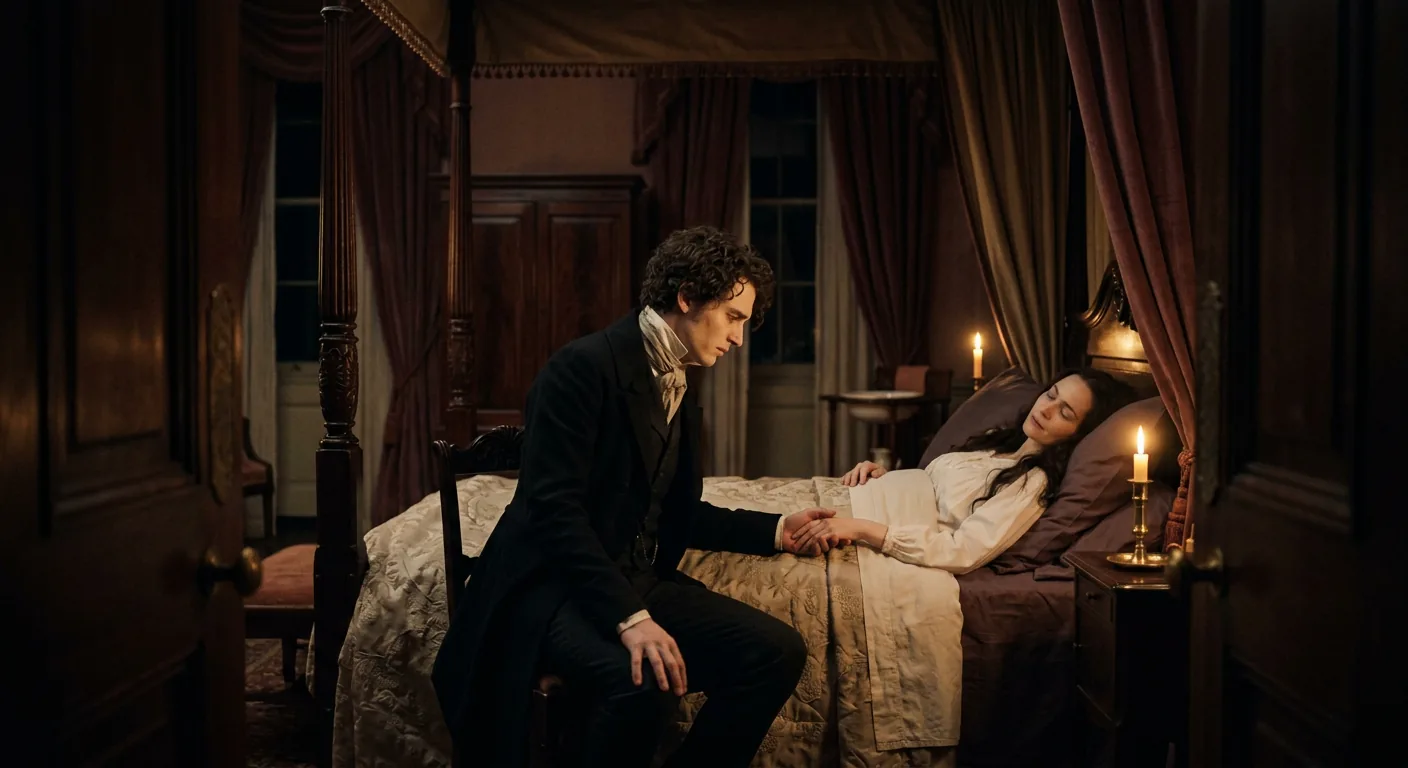
A Mother's Sacrifice and Farewell
Subscribe to read this chapter.

The Secret of Life and Death
Subscribe to read this chapter.
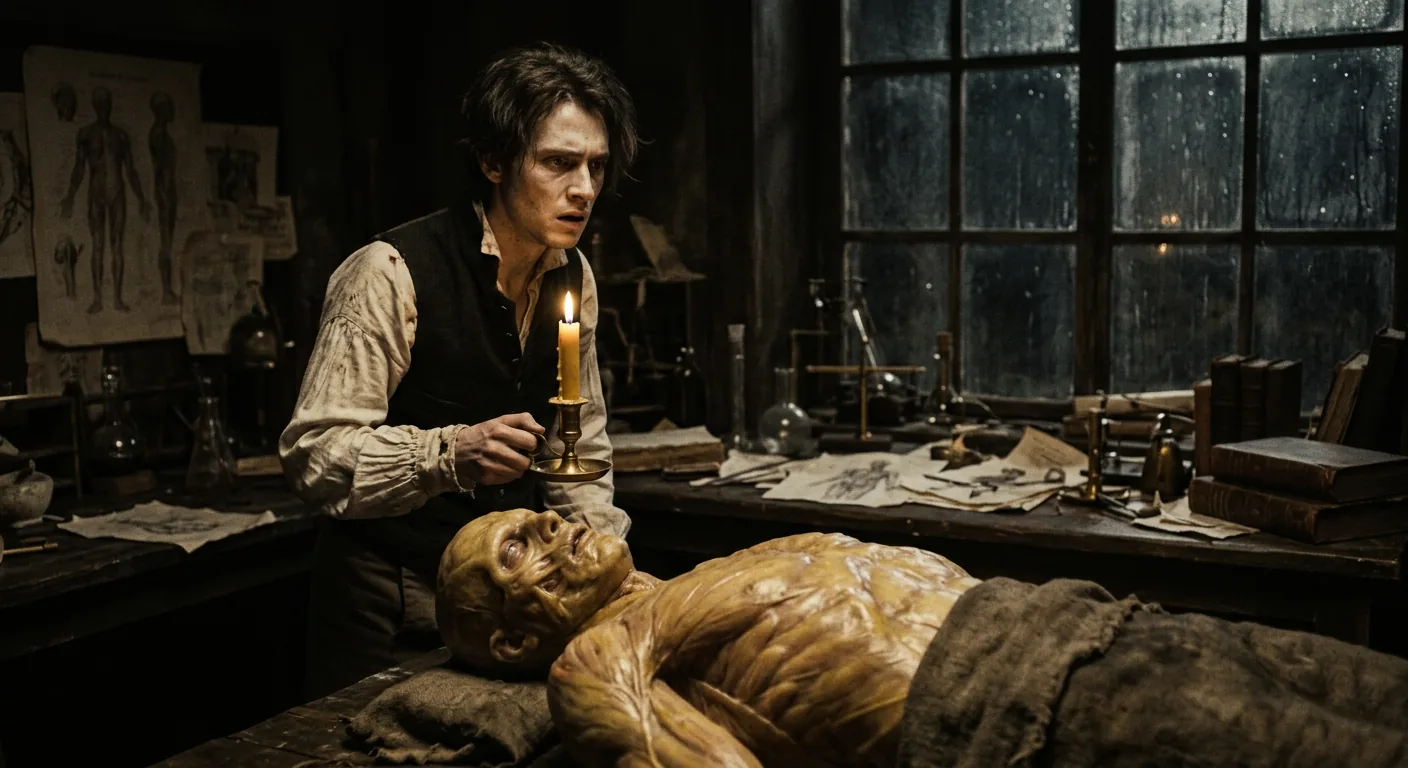
The Creature Wakes to Horror
Subscribe to read this chapter.

A Letter from Home and Justine's Story
Subscribe to read this chapter.
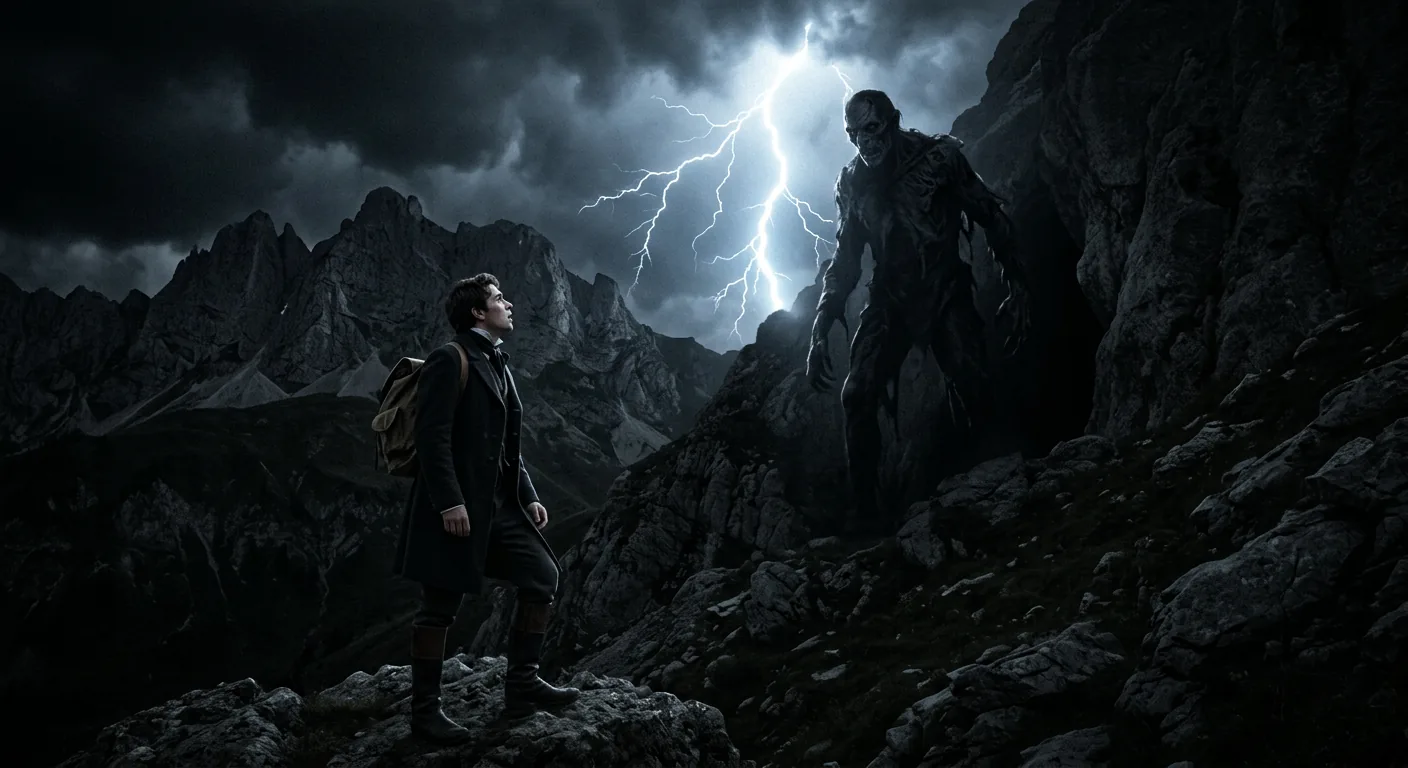
A Father's Letter of Death
Subscribe to read this chapter.
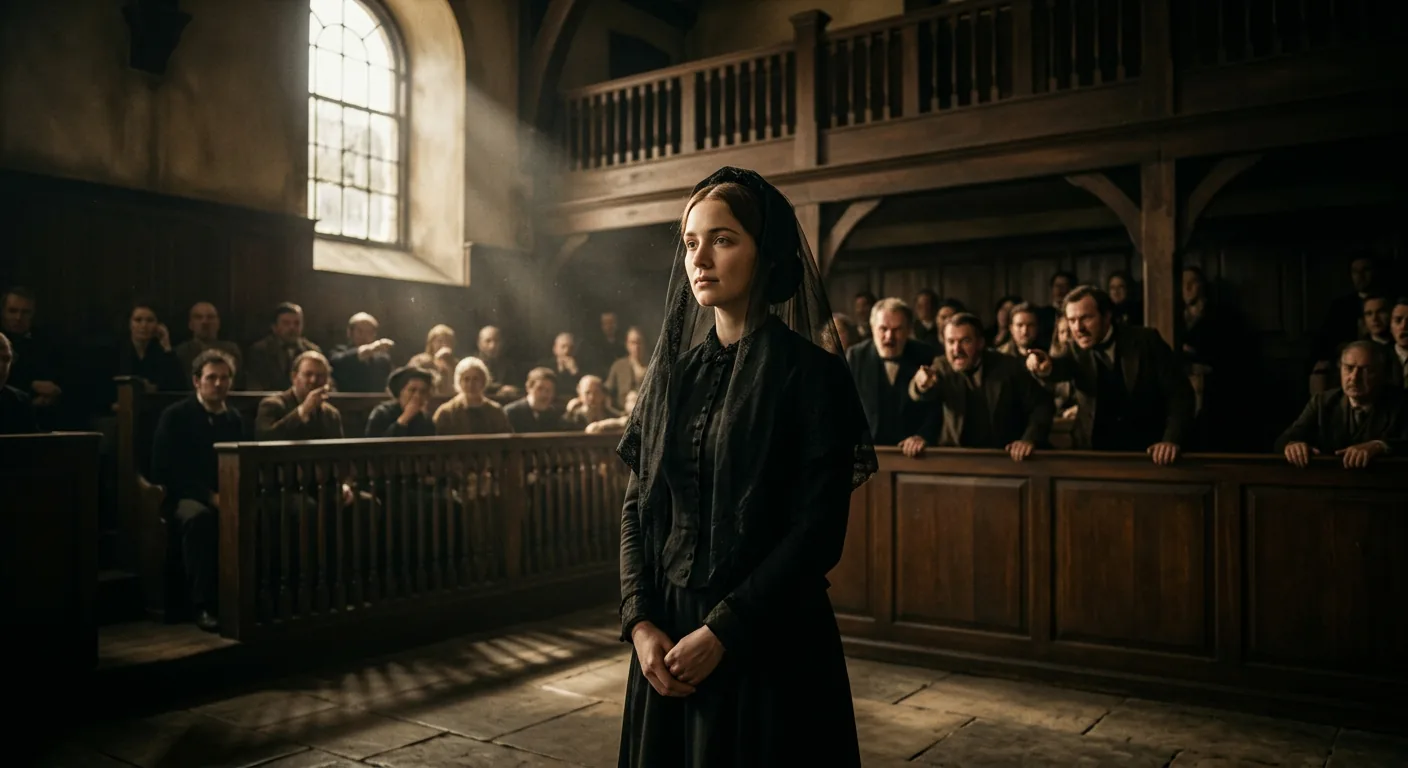
Mockery of Justice and Living Torture
Subscribe to read this chapter.
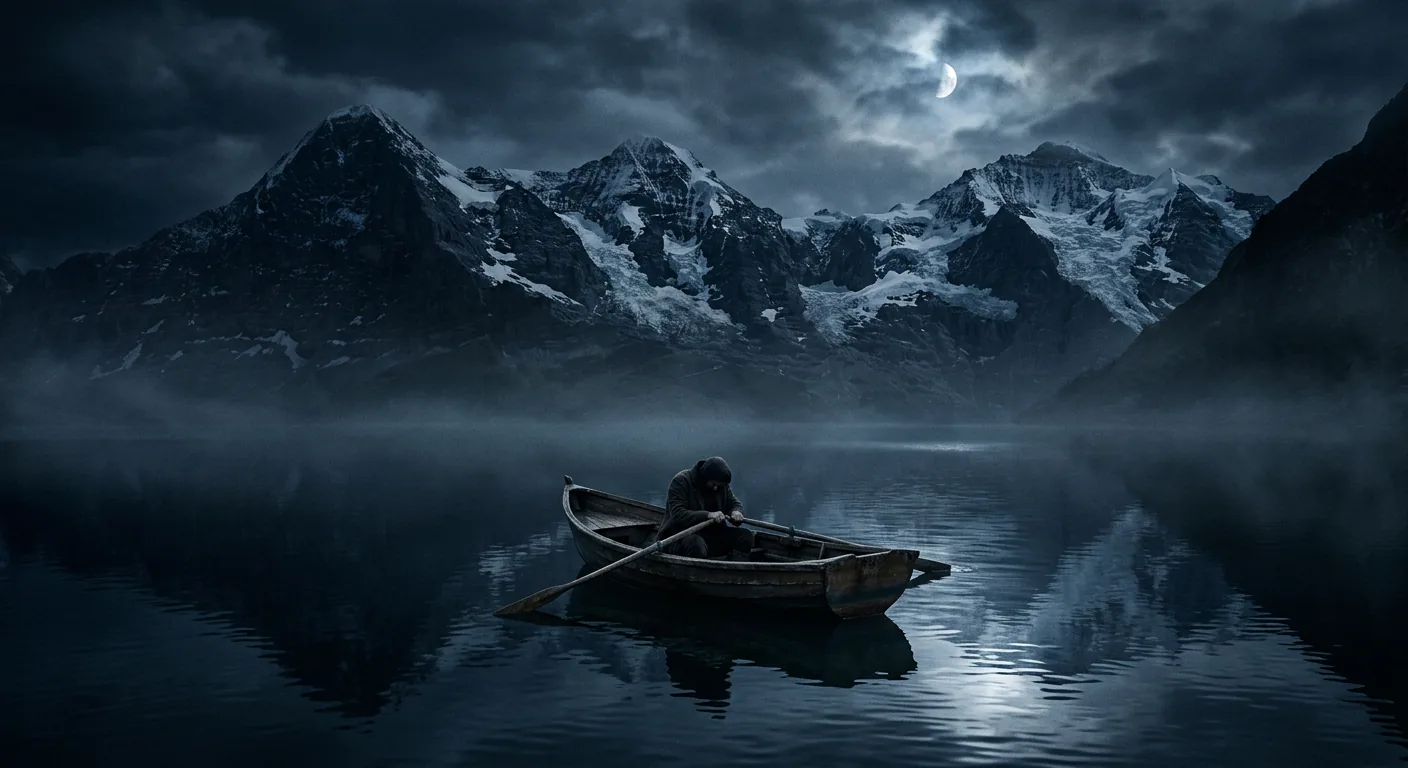
Guilt's Weight Upon the Living
Subscribe to read this chapter.

Solace and Shadows Among the Glaciers
Subscribe to read this chapter.
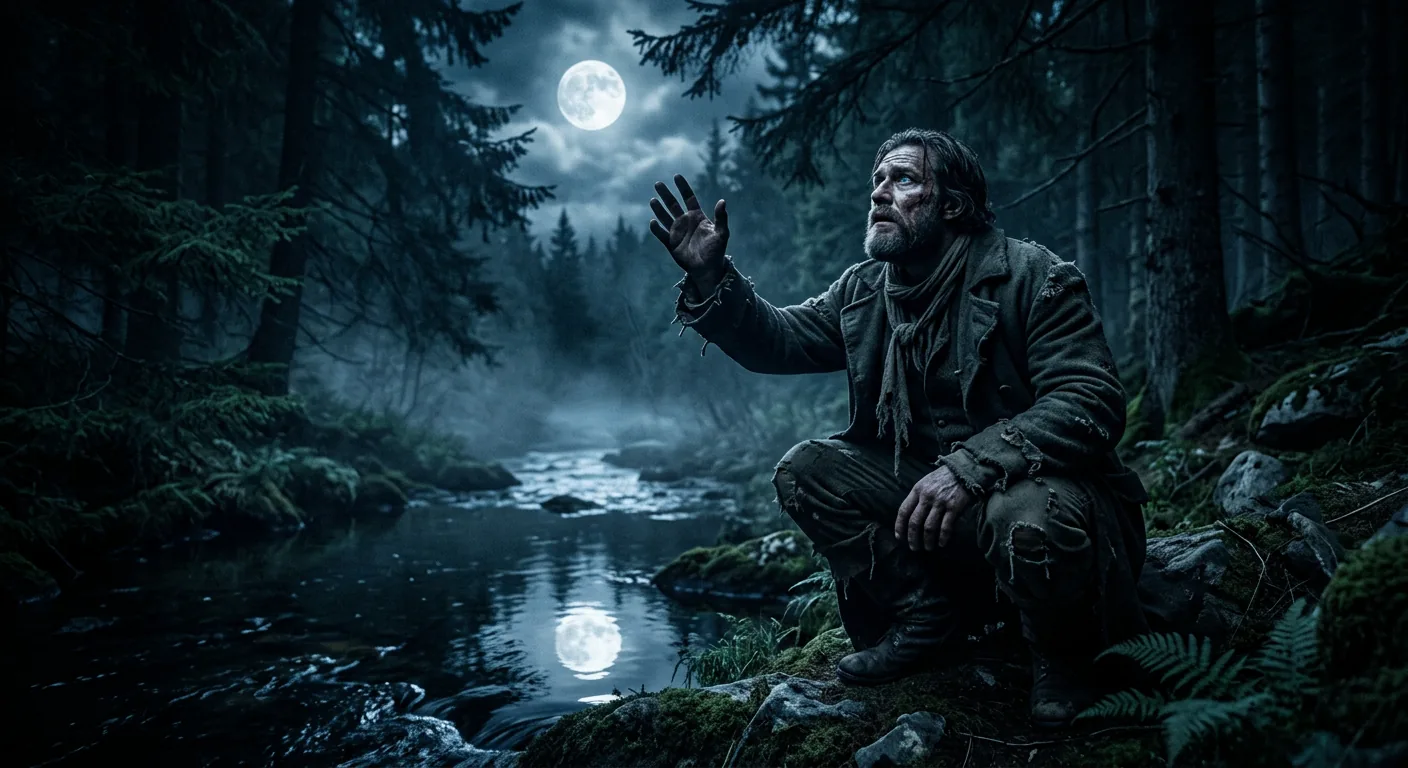
Awakening to a World of Sensation
Subscribe to read this chapter.
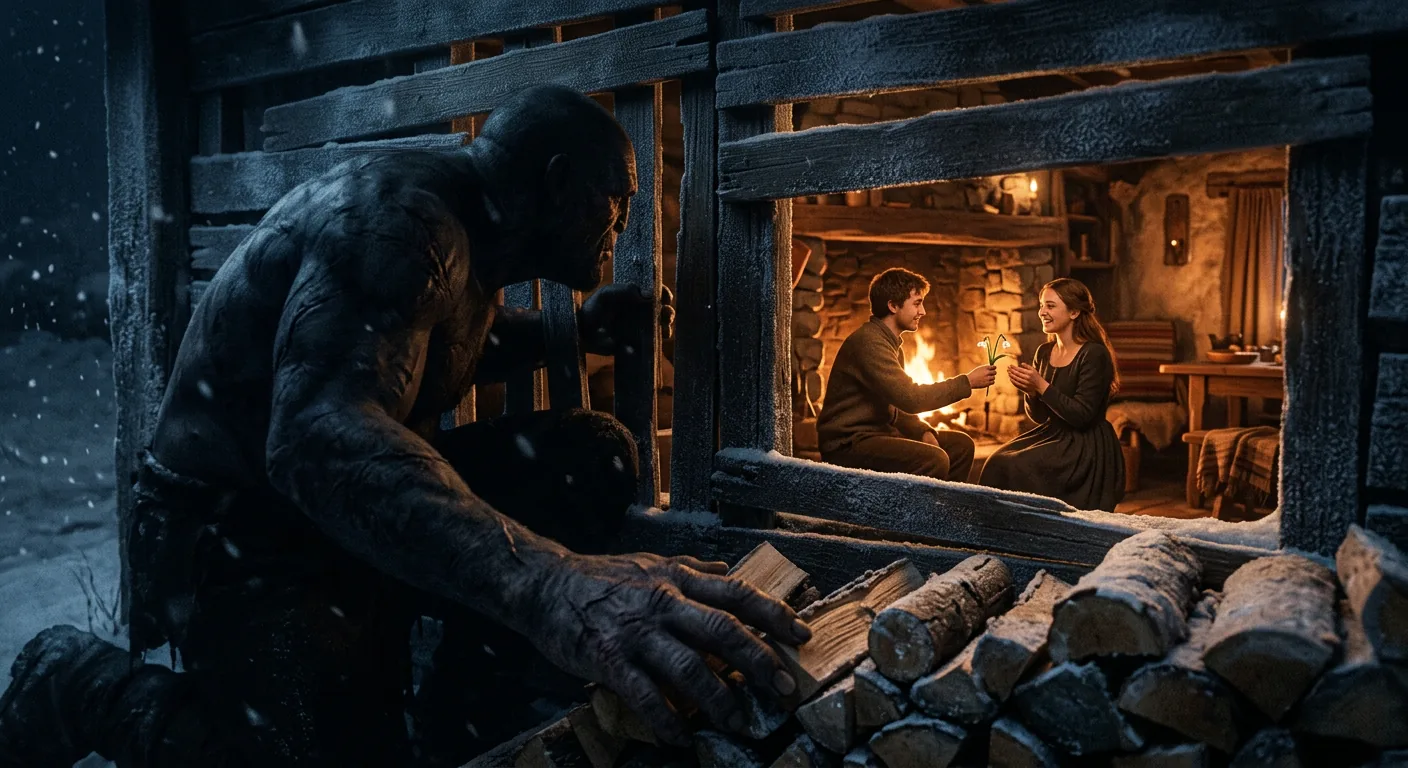
Lessons in Language and Love
Subscribe to read this chapter.
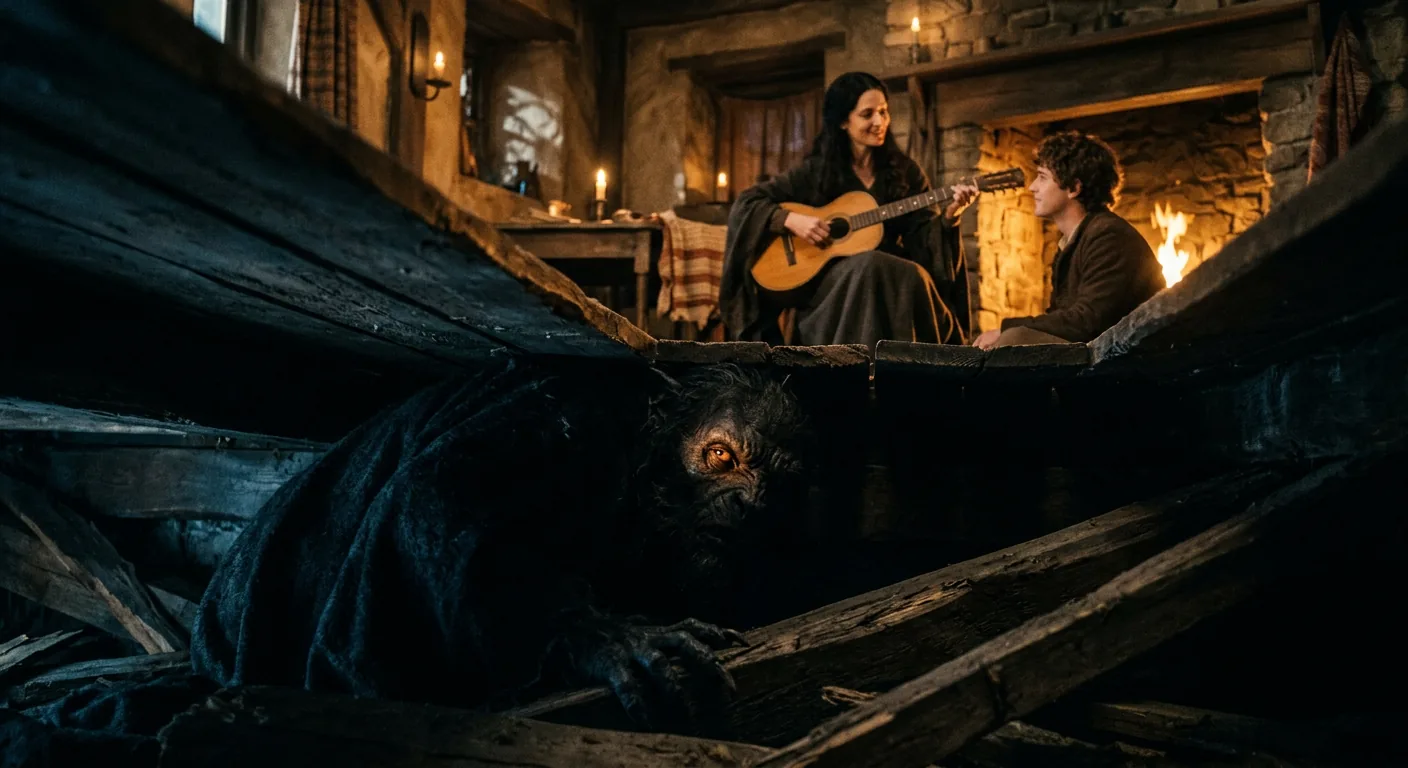
Safie's Arrival Brings Light and Language
Subscribe to read this chapter.

The De Laceys' Fall From Grace
Subscribe to read this chapter.
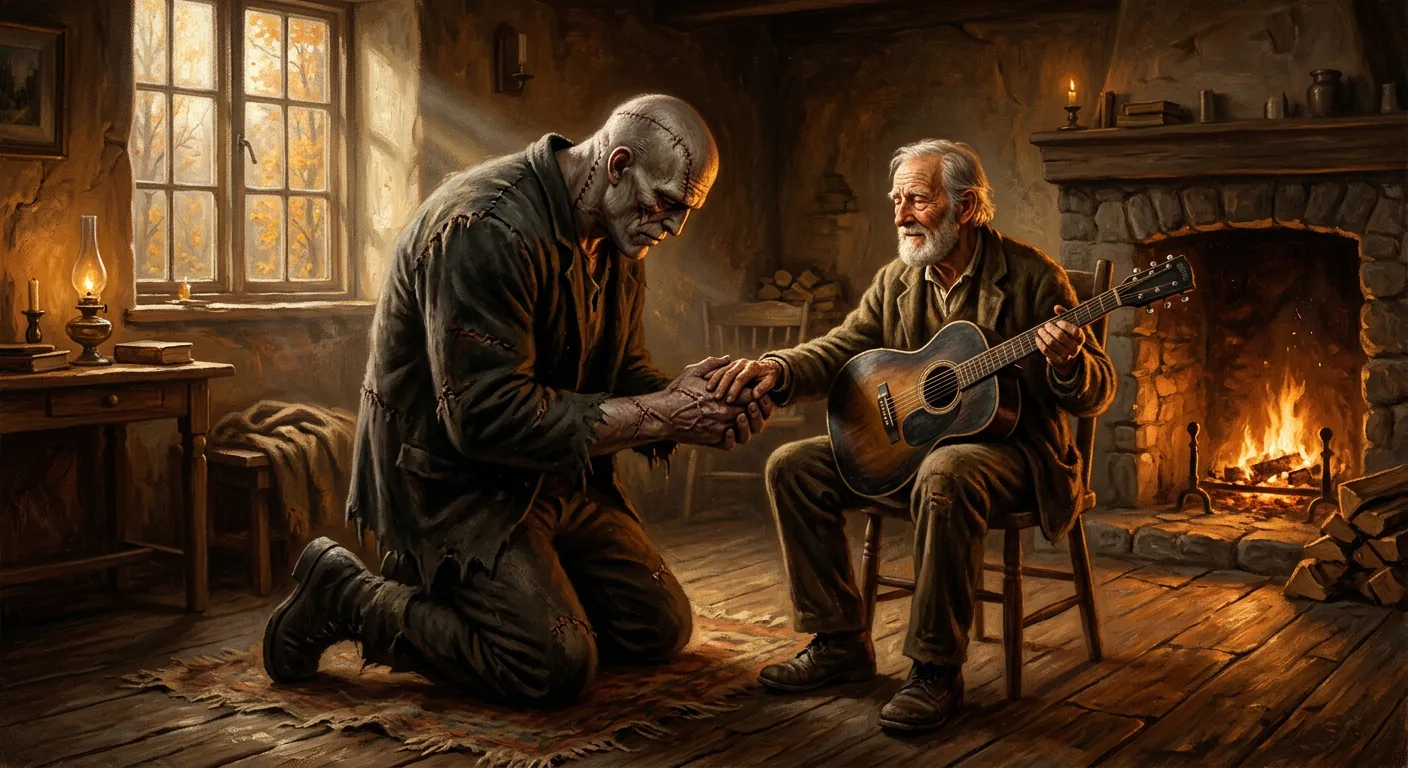
Awakening Through Forbidden Books
Subscribe to read this chapter.

A Hell Within and War Declared
Subscribe to read this chapter.

A Creature's Desperate Bargain
Subscribe to read this chapter.
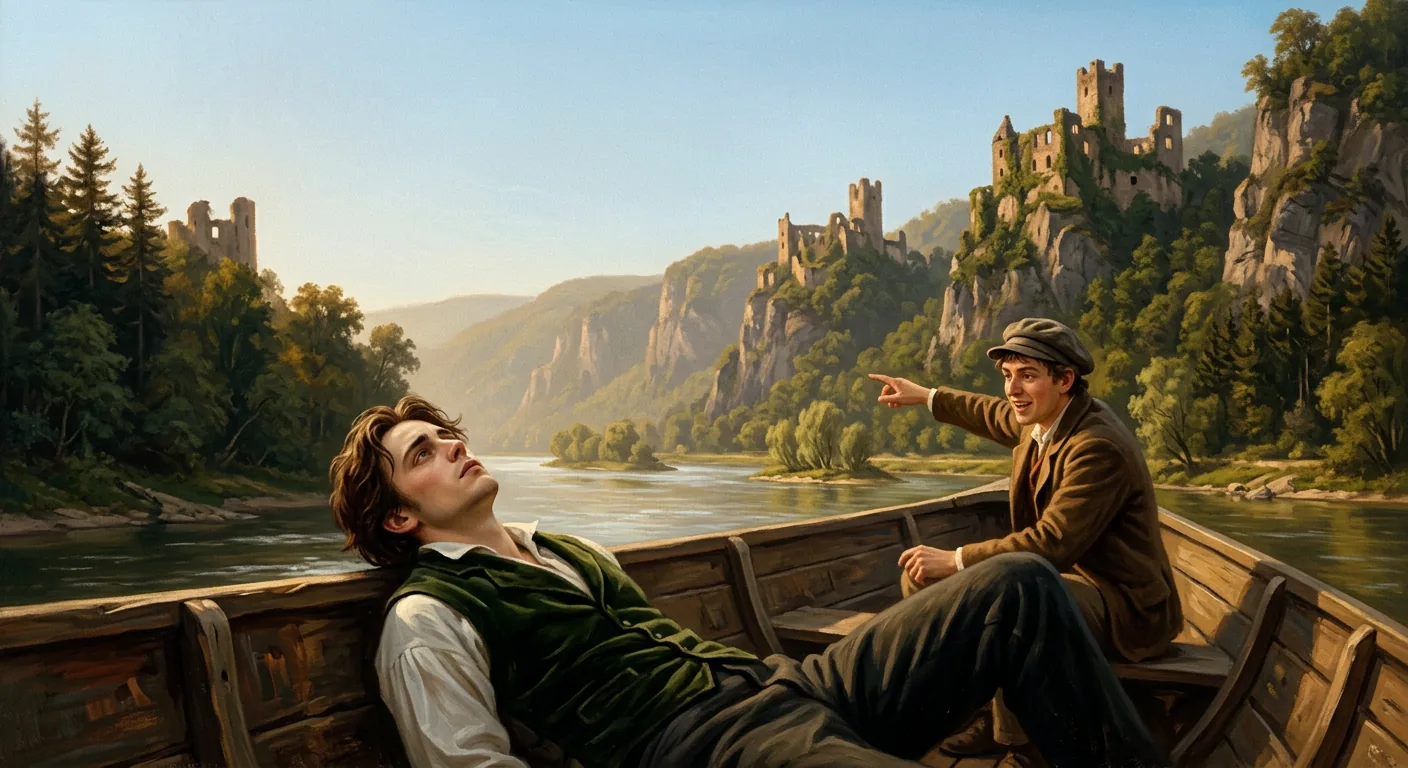
A Promise Deferred, a Journey Planned
Subscribe to read this chapter.
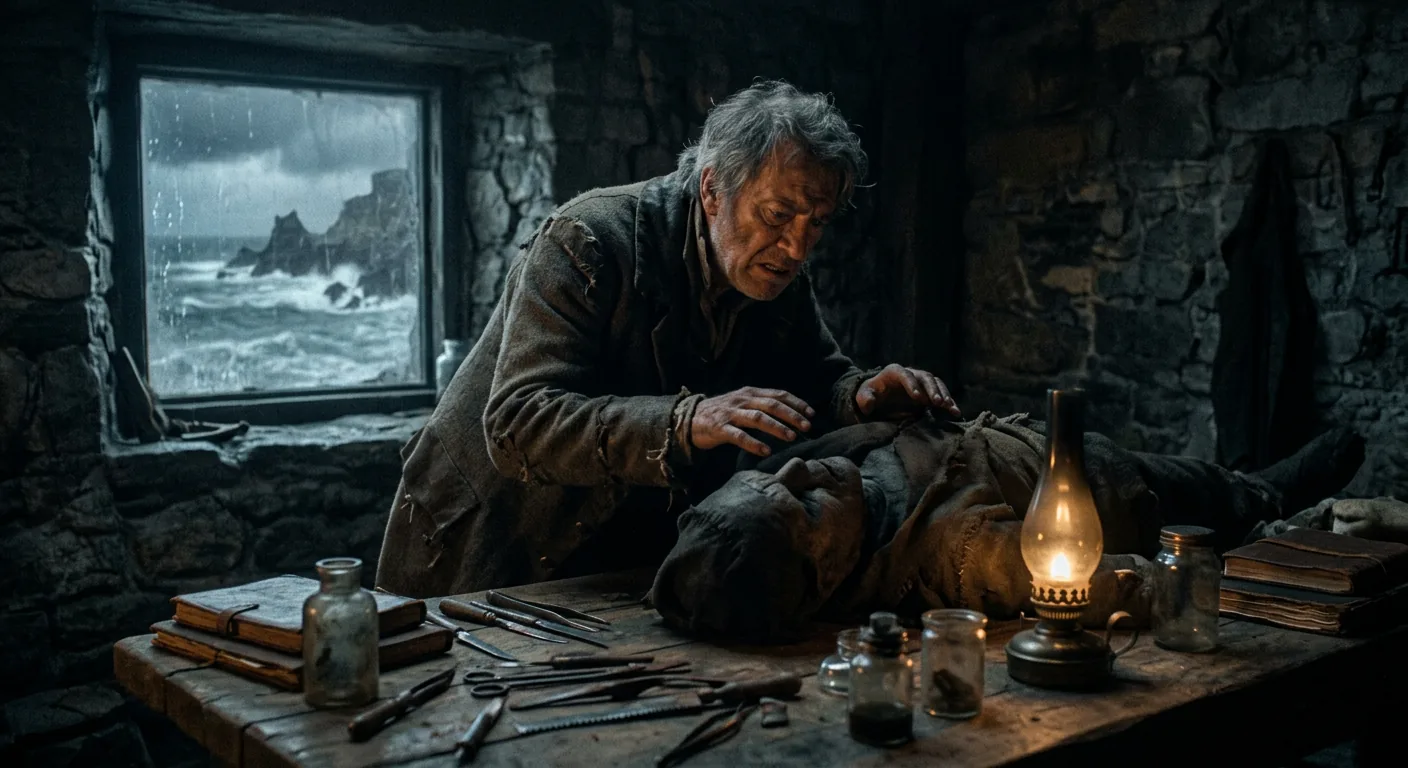
A Blasted Tree's Bitter Journey
Subscribe to read this chapter.

The Promise Broken at Moonrise
Subscribe to read this chapter.
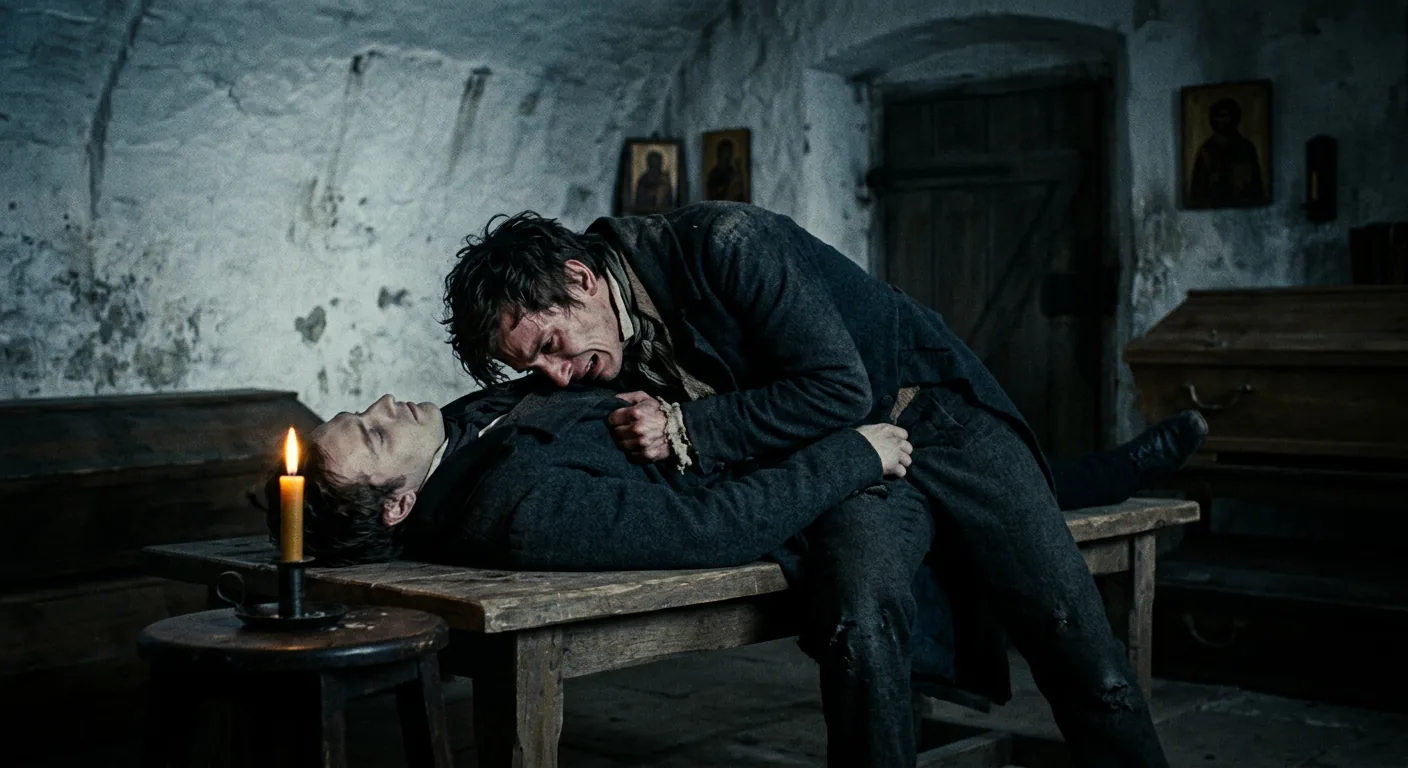
The Death of Henry Clerval
Subscribe to read this chapter.
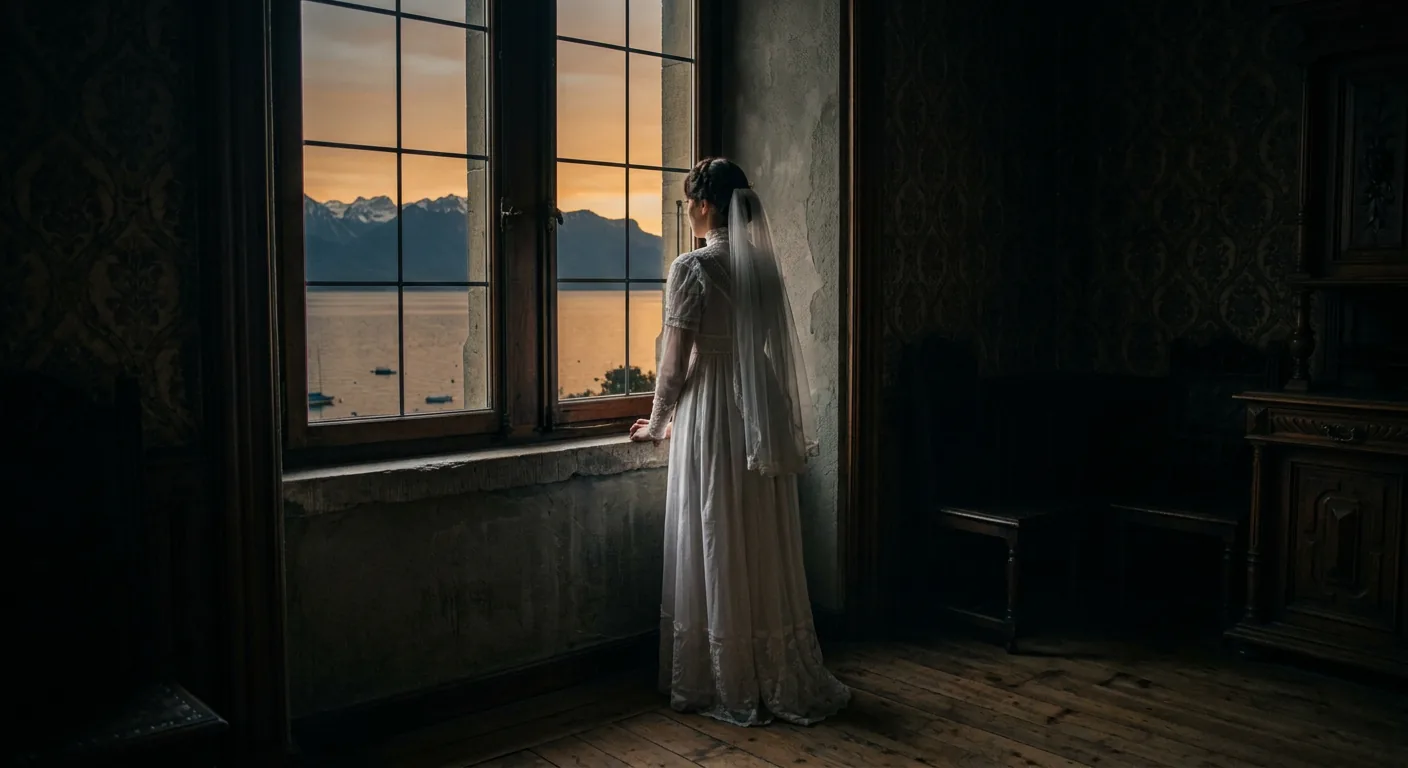
The Burden of Unspoken Guilt
Subscribe to read this chapter.
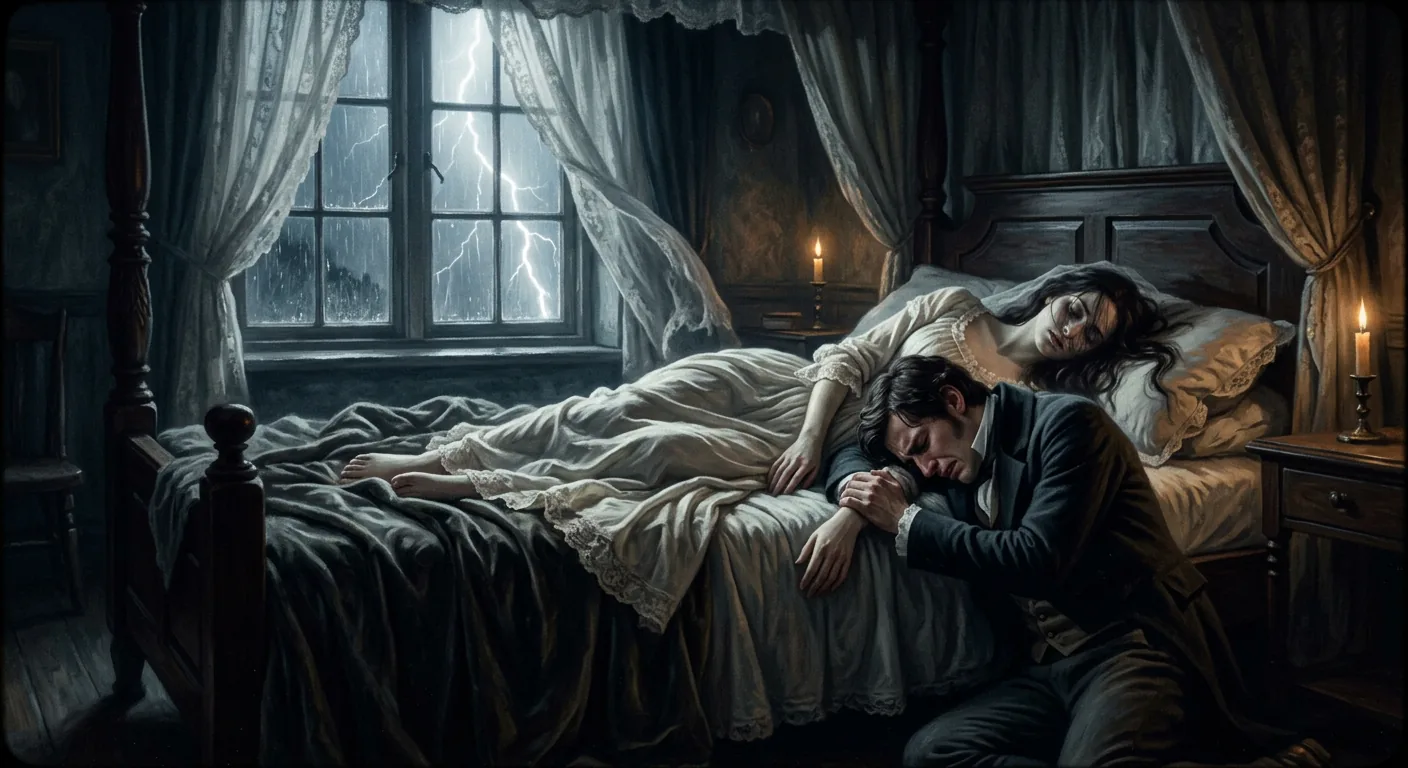
The Creature's Deadly Wedding Night Vengeance
Subscribe to read this chapter.
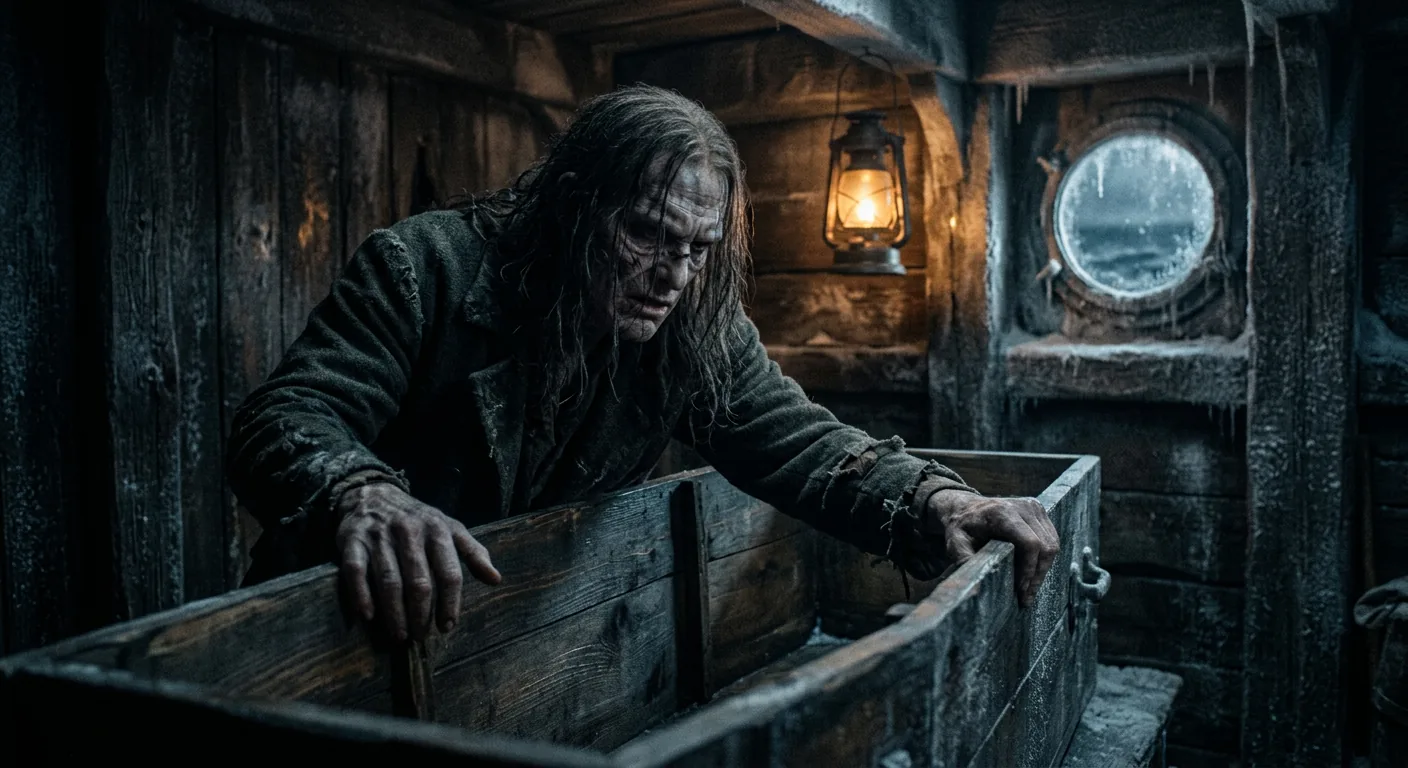
A Vow of Vengeance Begins
Subscribe to read this chapter.